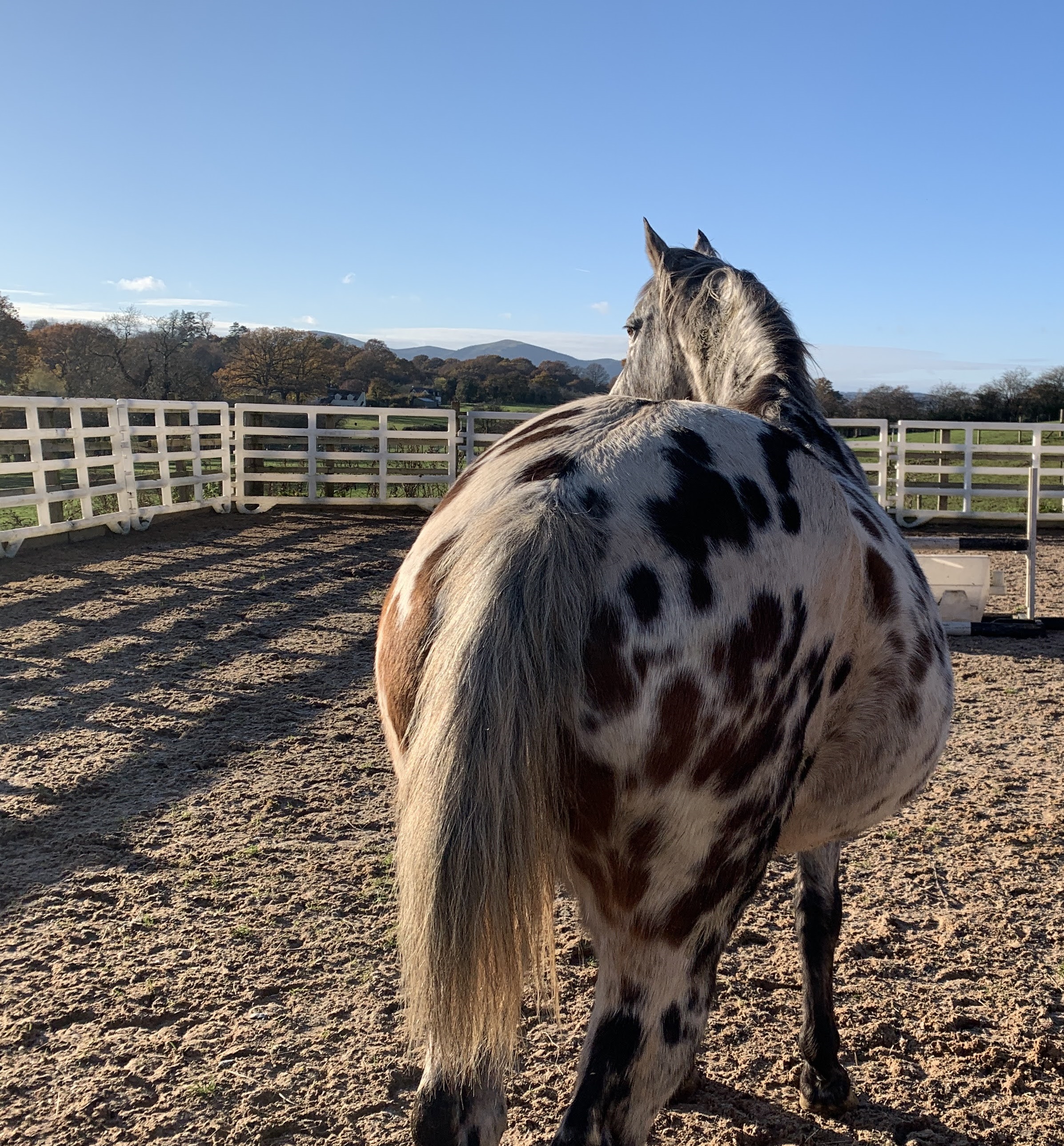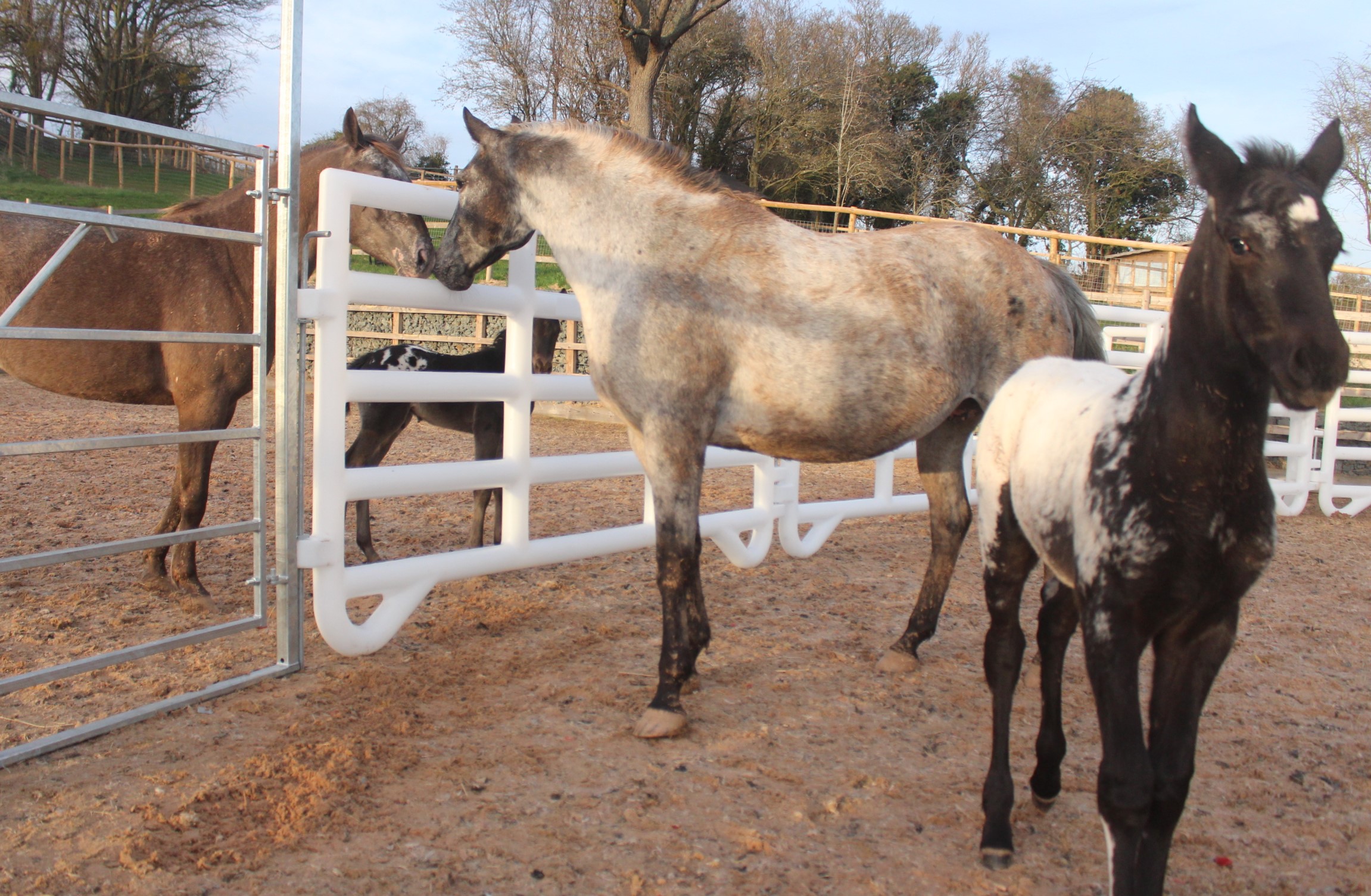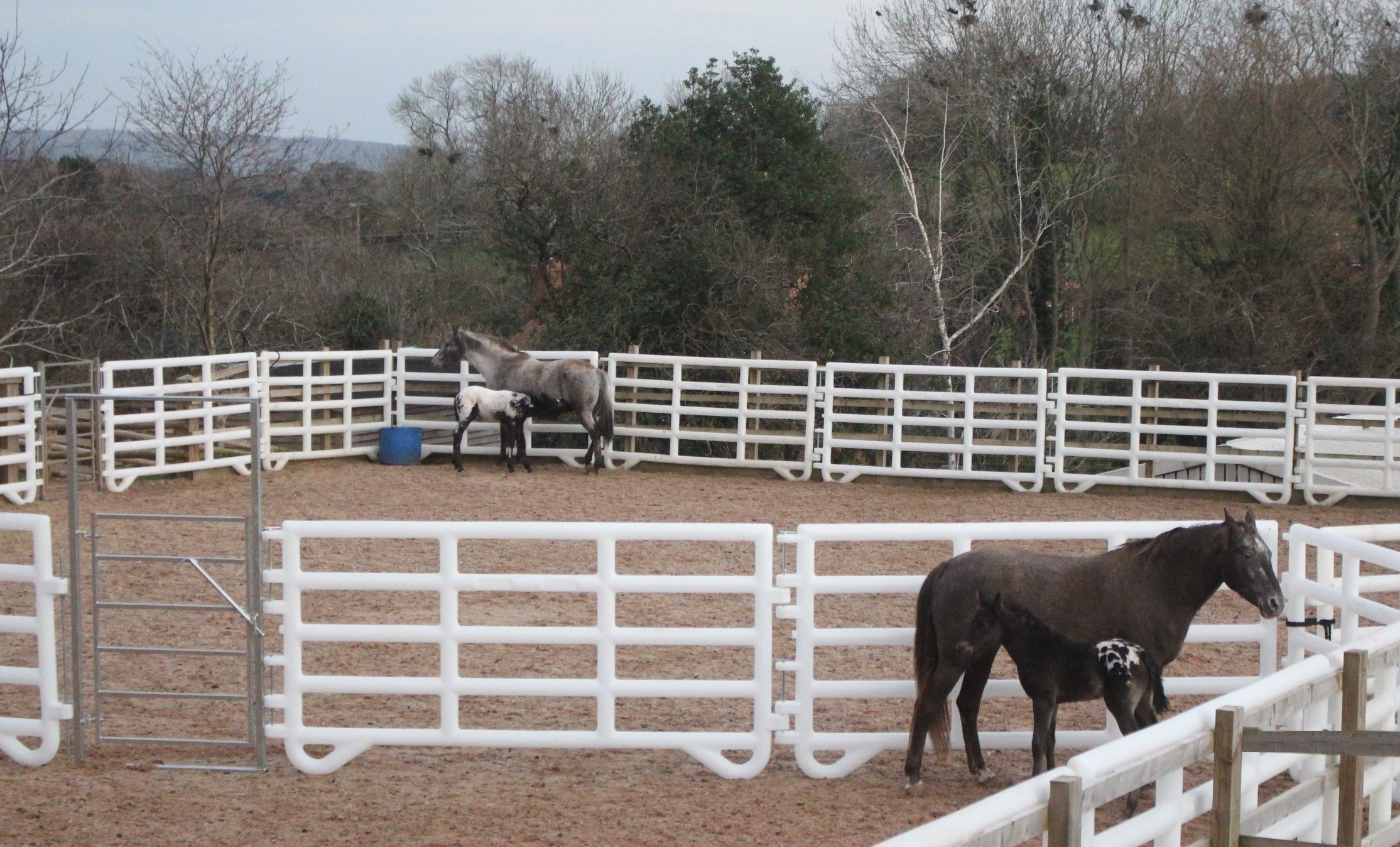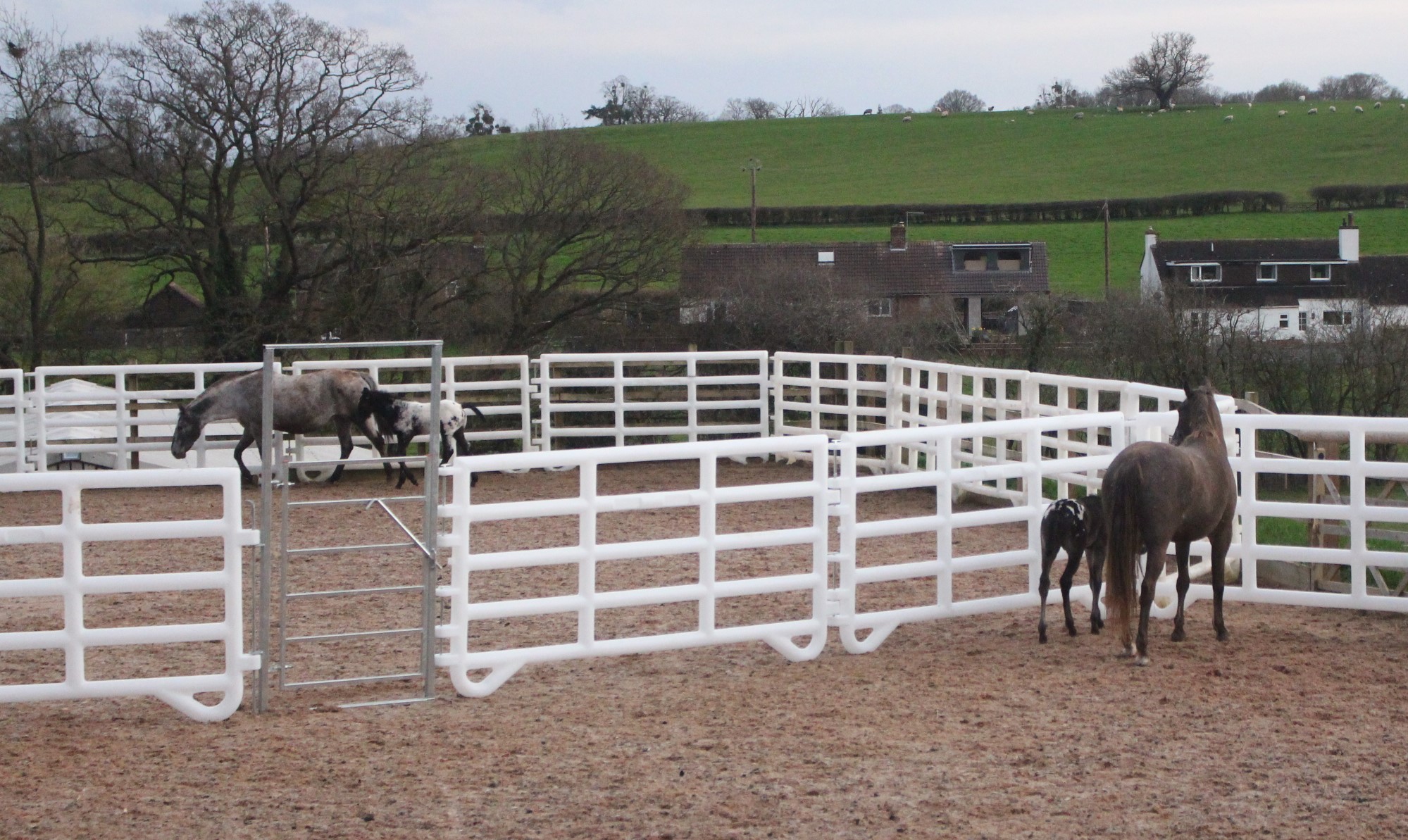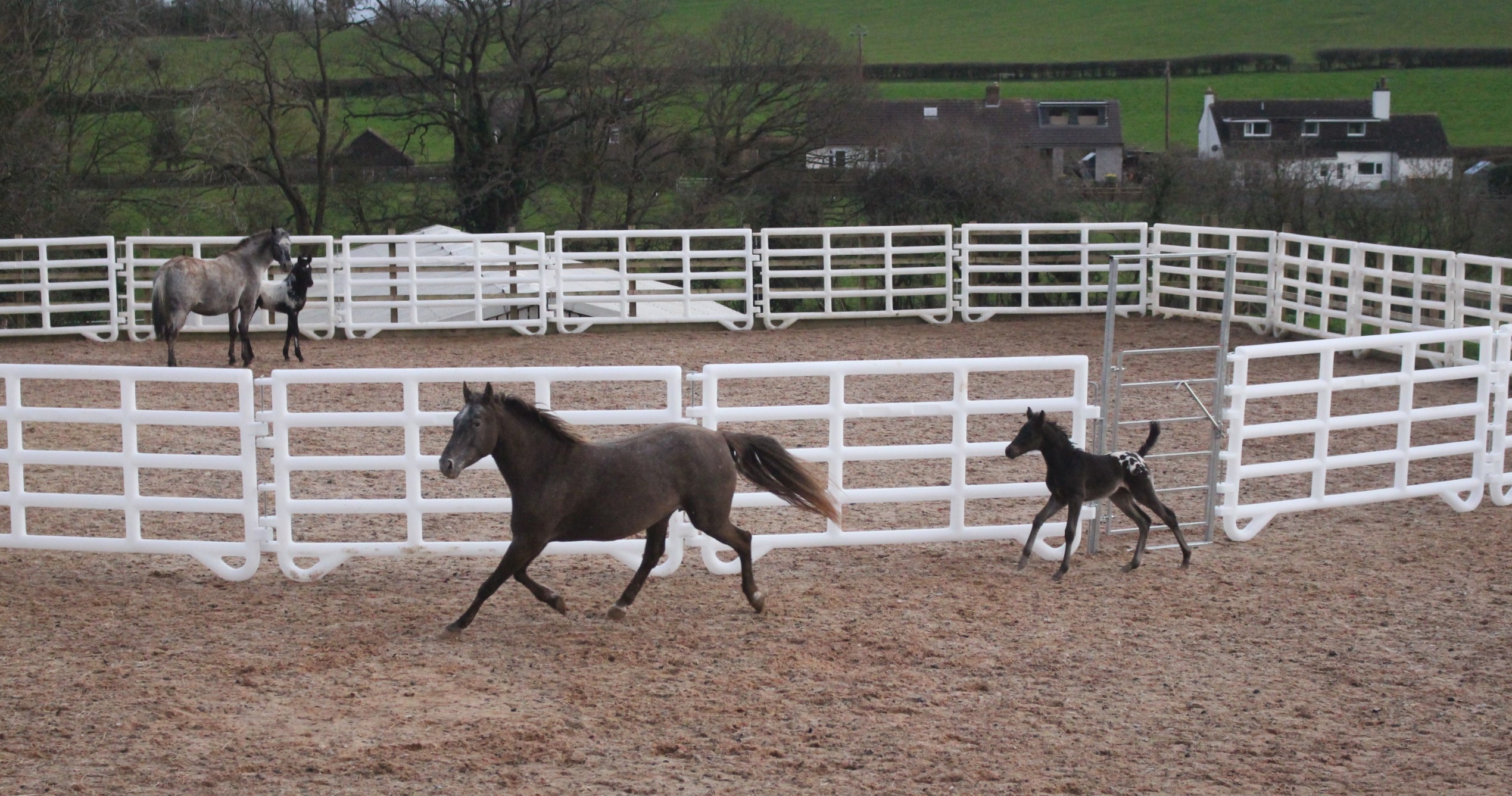
The Redheart Mares are carrying the 2023 Redheart Foals.

Winter Breeding Update

Our four broodmares are now settled in for the winter.

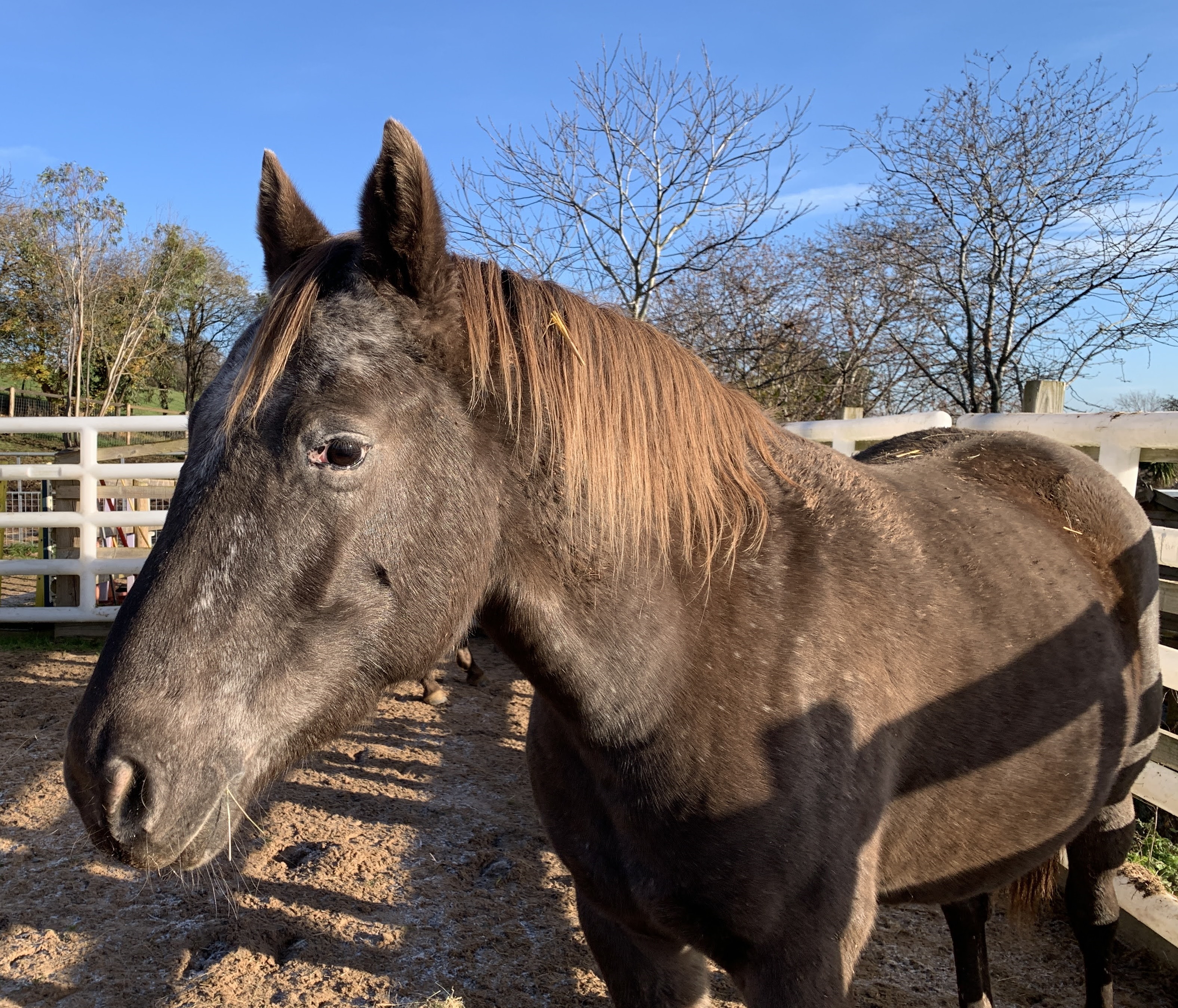
We’re delighted to confirm that Talisman’s Redheart (Ghost) is in foal to Hevan’s EV Catorrius (Reus).

We primarily store our stallion’s semen as a safeguard, knowing that life with horses can change in the blink of an eye. Frozen semen is an expensive breeding option and is not always successful, but using frozen semen from Hevan’s EV Catorrius with Ghost gives us the opportunity to pursue our dream of one day breeding a Reus filly.

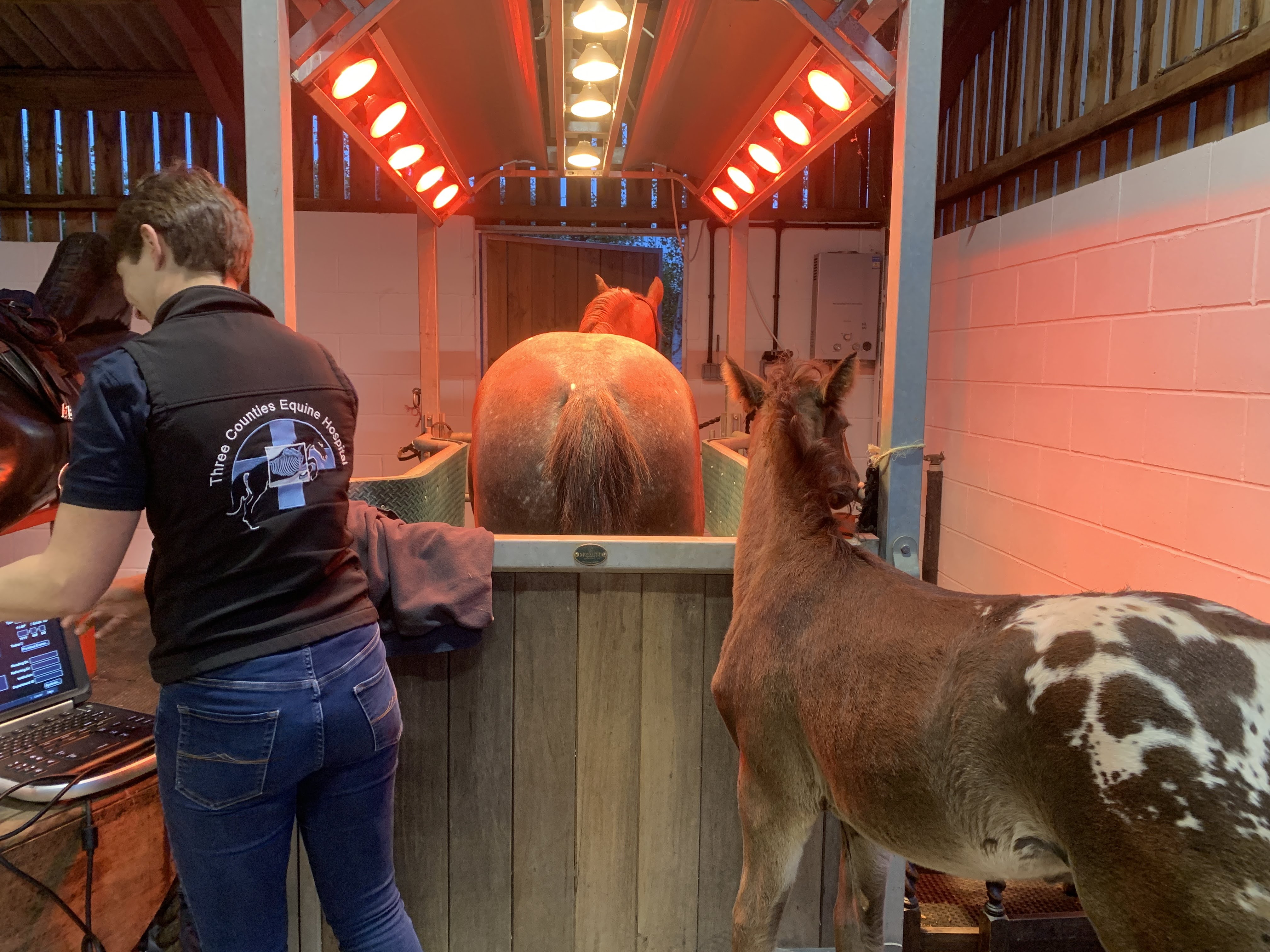
Earlier this year, Ghost was admitted to Three Counties Equine Hospital with her 2022 foal at foot, where she was inseminated under the expert care of Vicky Savage BVSc MSc CertAVP DipECEIM MRCVS, a European Specialist in Equine Internal Medicine.

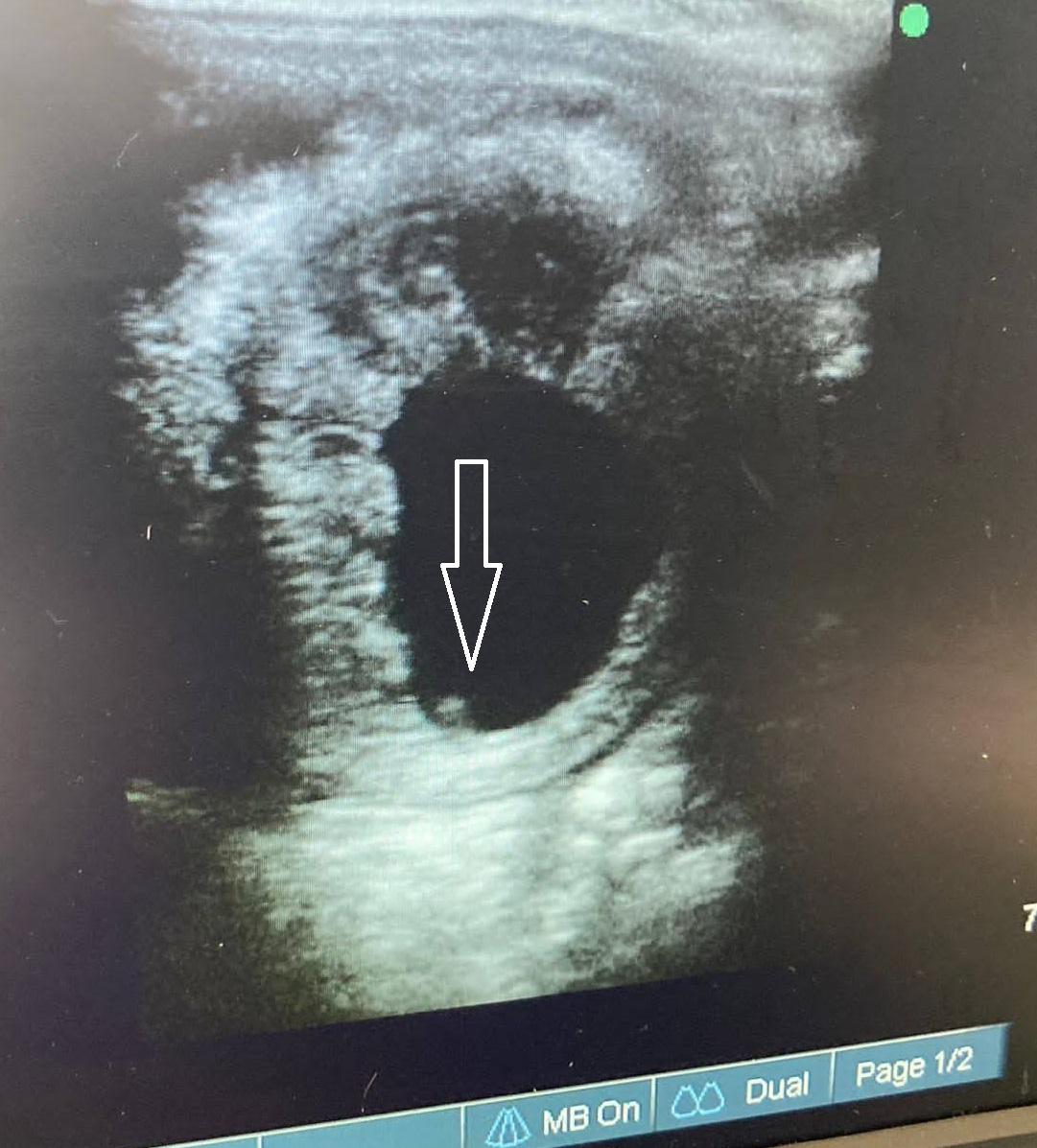
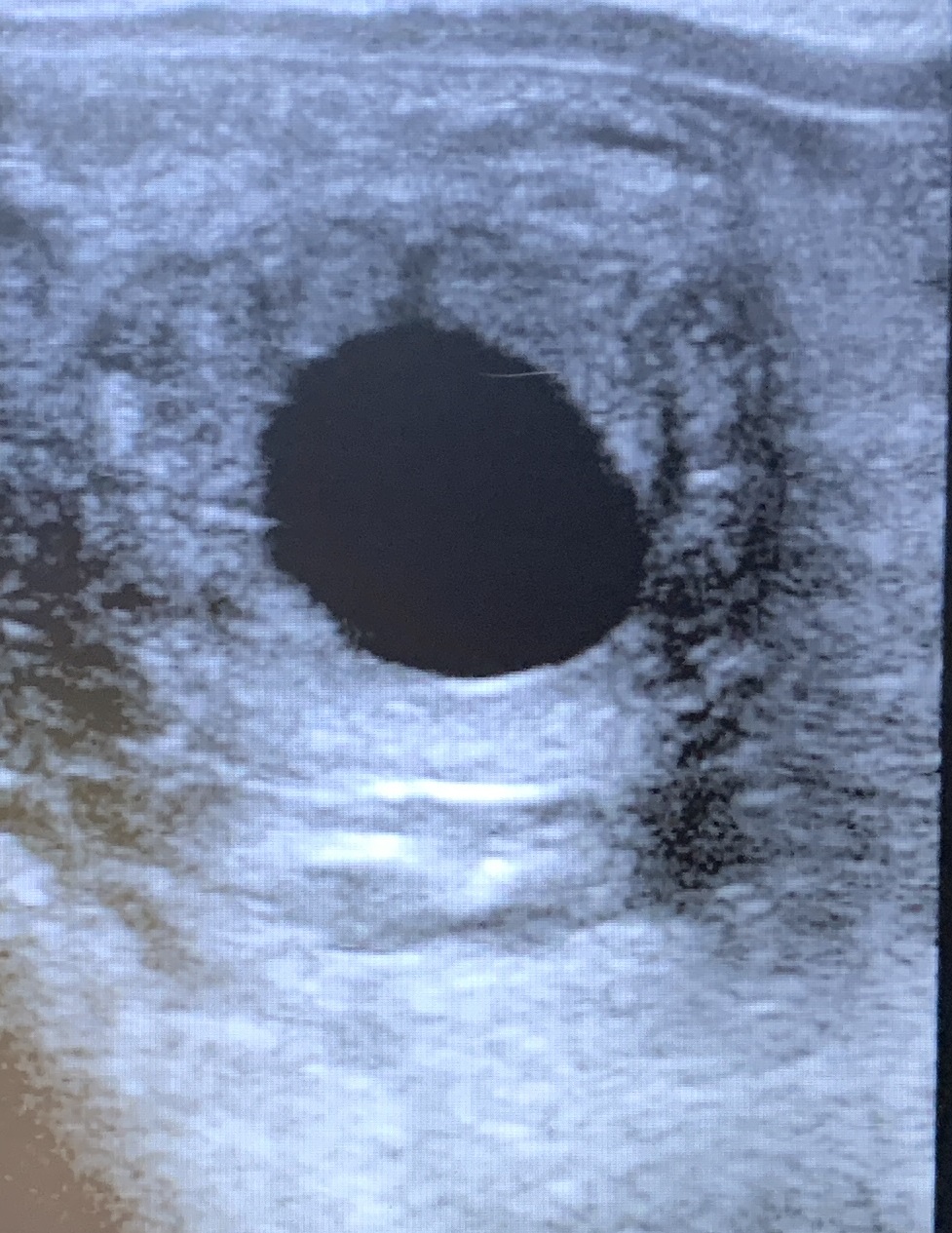
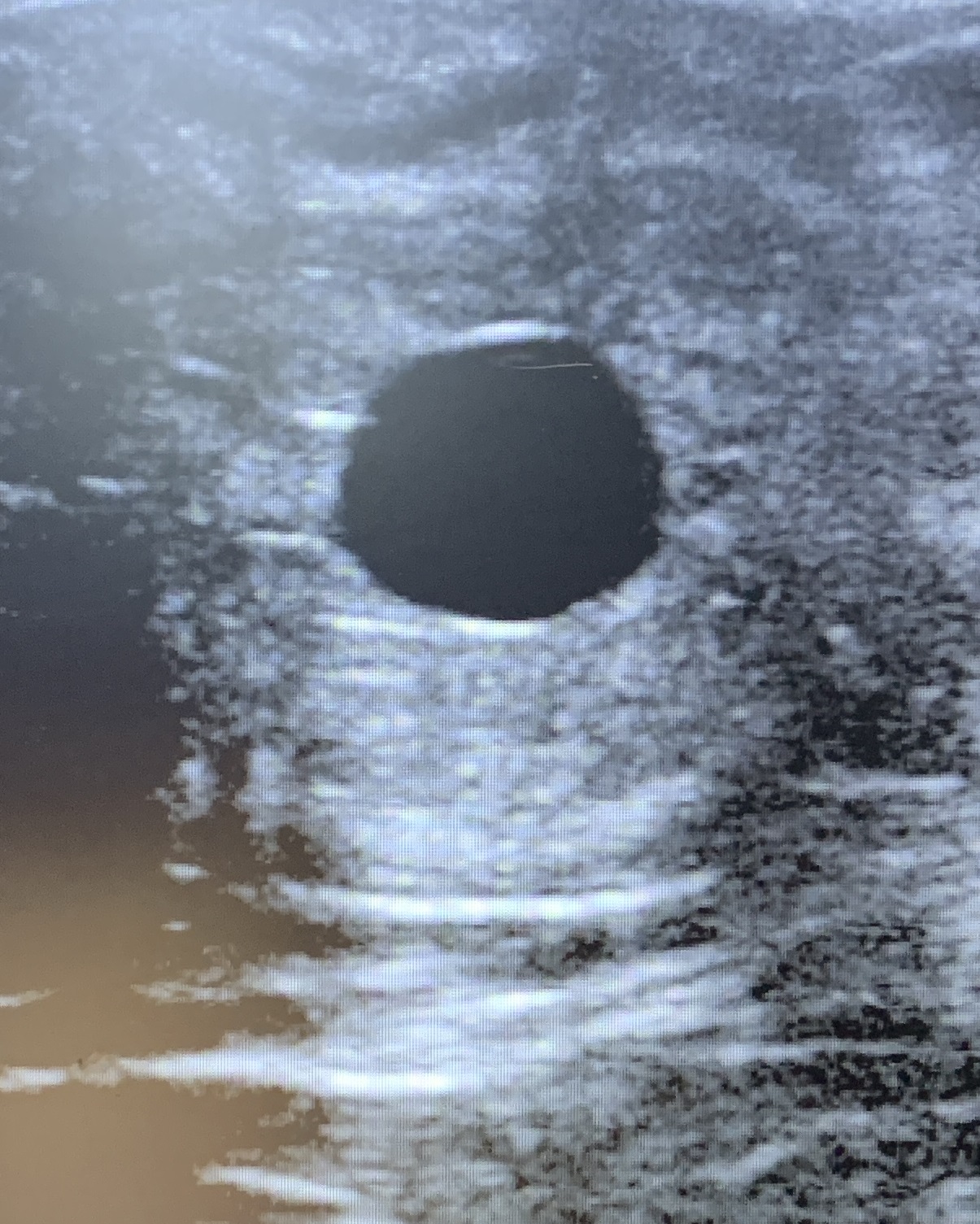
Ghost’s first pregnancy scan brought exciting news. Not only was she in foal, but it revealed that she had double ovulated, resulting in twins. One embryo measured 16 mm while the other measured 19 mm. Although double ovulations are not uncommon in mares, we would never intentionally allow a mare to carry twins due to the associated risks.

What made Ghost’s case particularly remarkable was that she appears to have conceived again three days after insemination. This is highly unusual, as frozen semen typically remains viable within the mare for only 6–12 hours, and perhaps up to 18 hours under ideal circumstances.

We now look forward to following the progress of this special pregnancy and welcoming another member of the next generation to the herd.


Vicky “pinched” the smaller embryo and Ghost was re-scanned to ensure the embryo was still there, implanted into the uterus and developing, at 34 days another scan ensured a heartbeat was seen.
 

We are delighted Ghost has been confirmed with a healthy single pregnancy and carries the full sibling to Really.


We REALLY can’t wait to meet this foal!


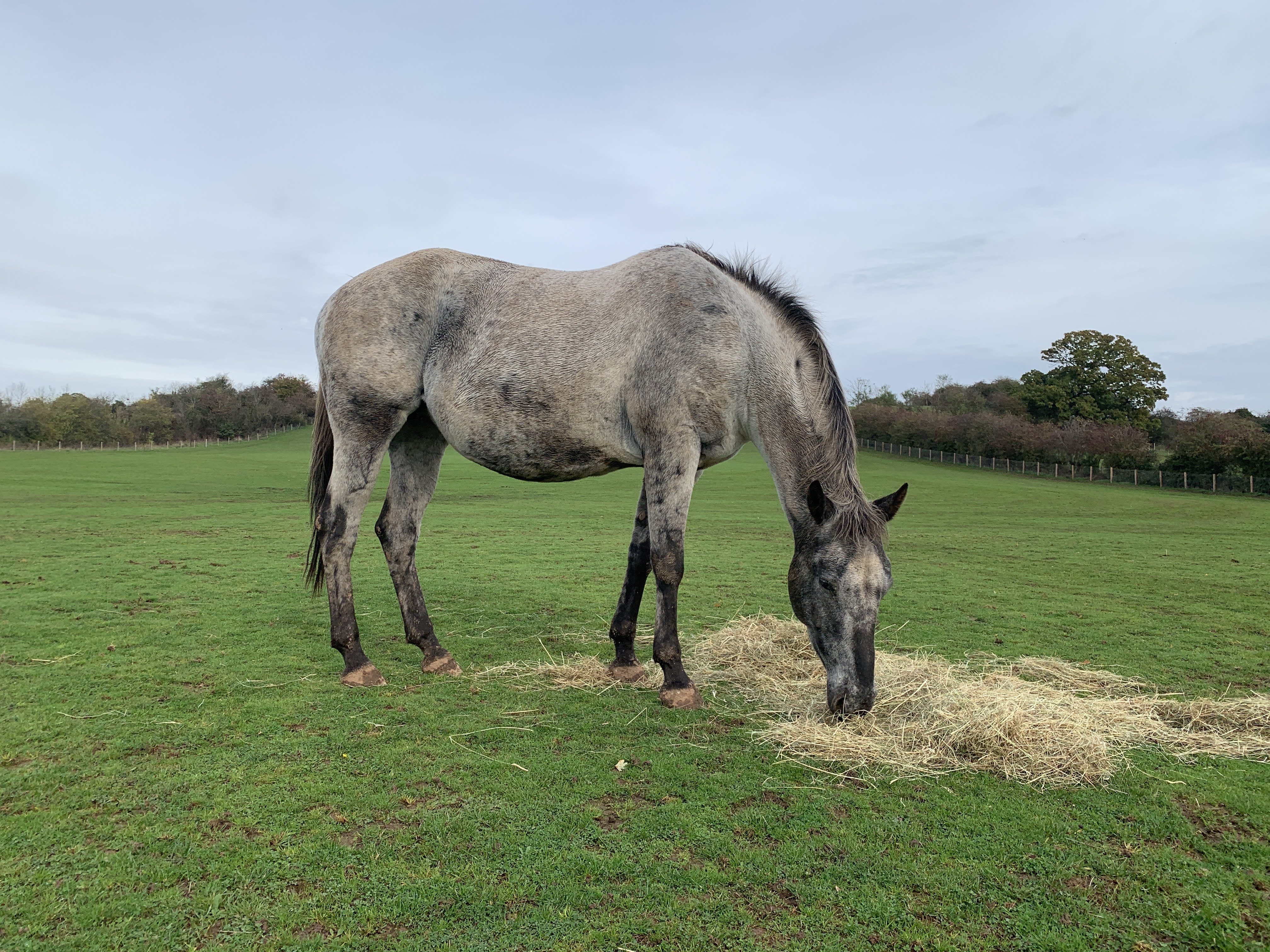
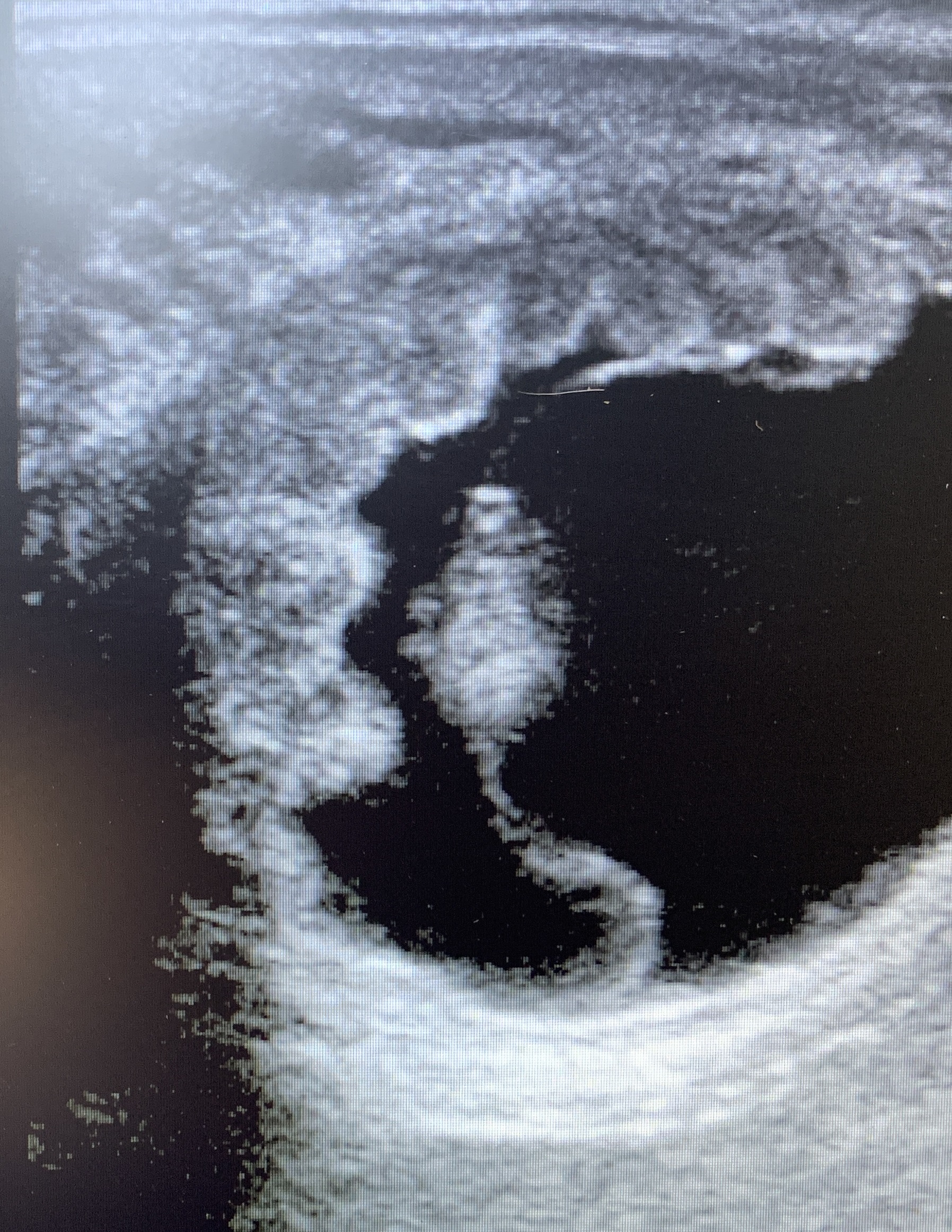
Redheart Pascallius (Evee) crossed with DFR Patahas Redheart (Blu) can only produce black or smoky black foals, she is confirmed in foal for 2023.

We are very much looking forward to meeting the UK’s next GAP 6 foal.
Redheart Revelation 
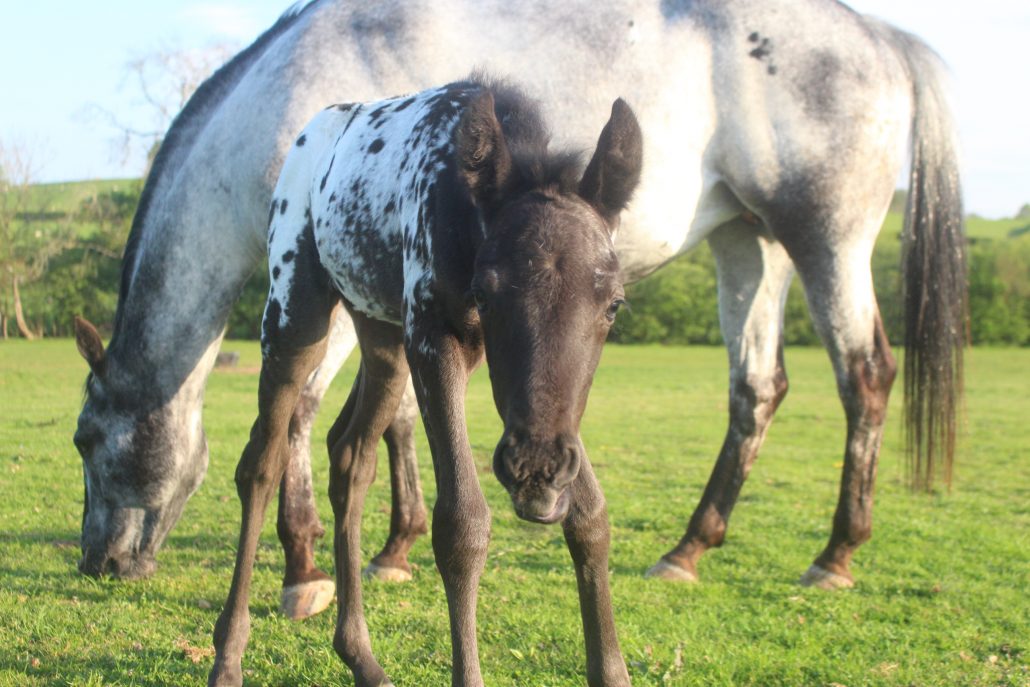
Redheart Ricochet
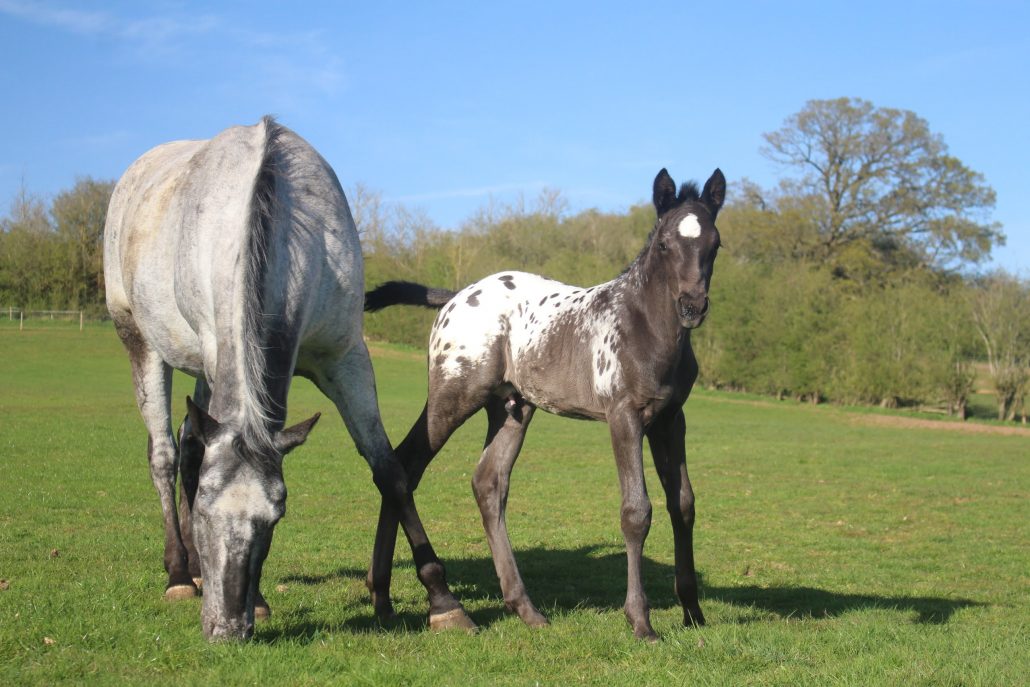
Redheart Remembrance
Evee x Blu 2023 (Heartbeat Scan)
 

Peyres Catori Cat (Catori) is confirmed in foal to DFR Patahas Redheart for 2023.

Breeding Appaloosas is a bit like choosing a random Revel — you never quite know what you’re going to get. Although, I can confidently pick out the chocolate buttons and Maltesers, while I still struggle to tell the difference between the orange cream, coffee cream, caramel, and chocolate raisin!

This mare exceeds our expectations with every foal she produces. While she is our least Foundation-bred mare, her offspring have the potential to produce Foundation Appaloosas eligible for registration with FAHR when crossed with the right FAHR stallion or mare.

She consistently stamps her foals with quality, character, and presence, making each arrival an exciting surprise.

Without question, she is one of the most charismatic equines I have ever had the pleasure of owning.
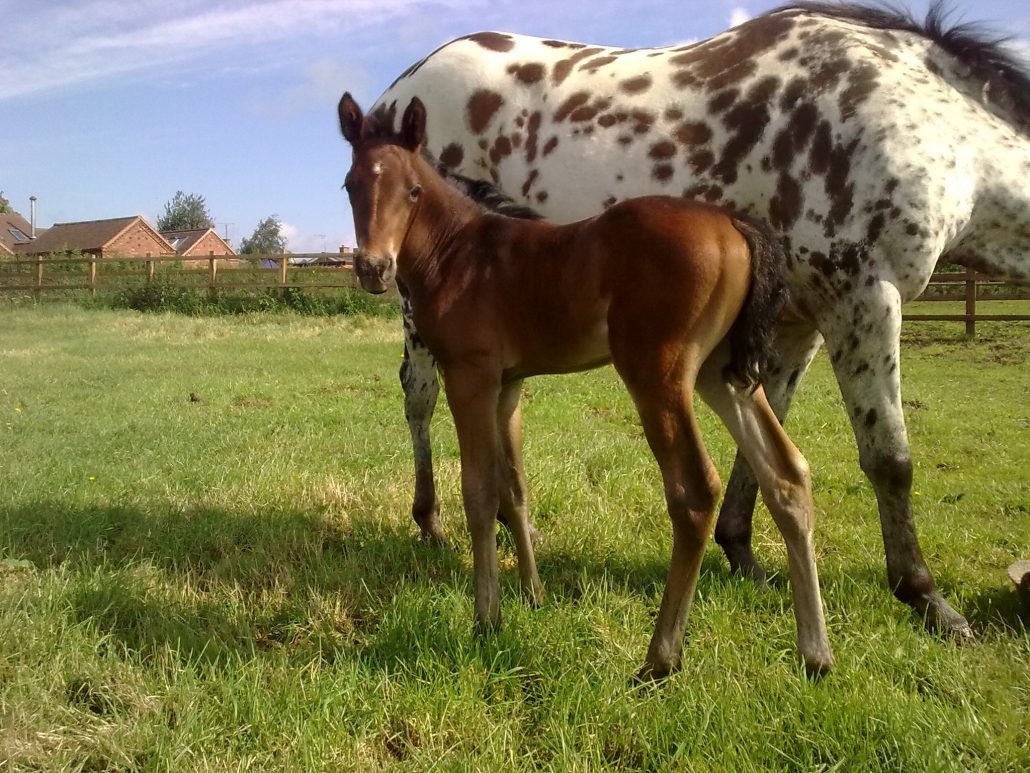


Hevans EV Catorrius
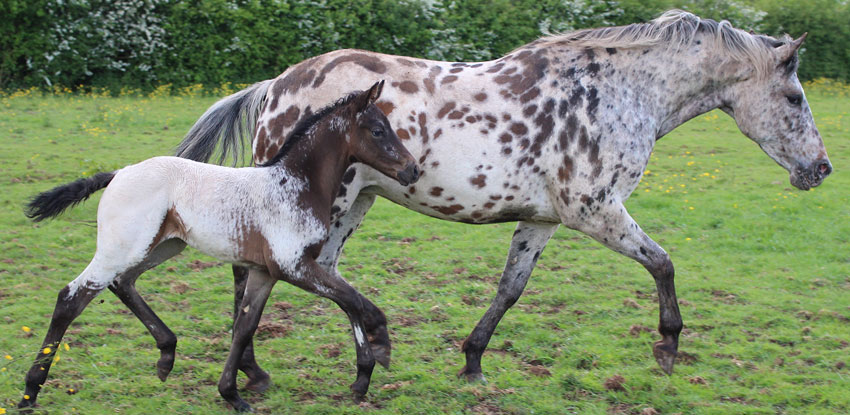
Redheart Cateaster
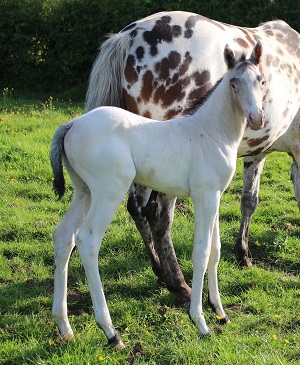
Redheart Regal
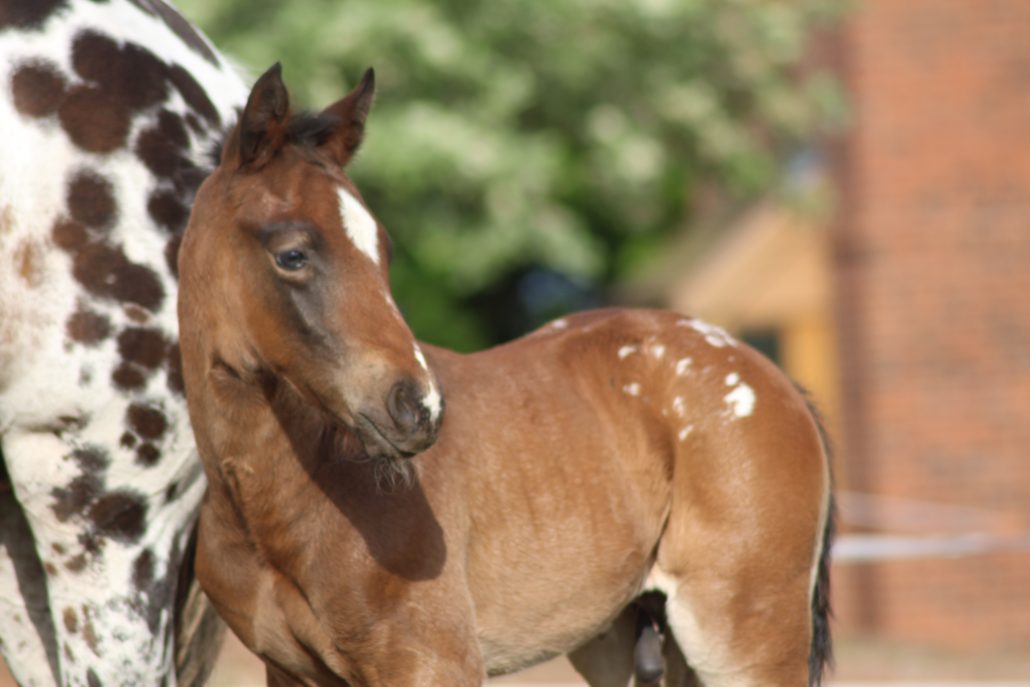
Redheart Regent
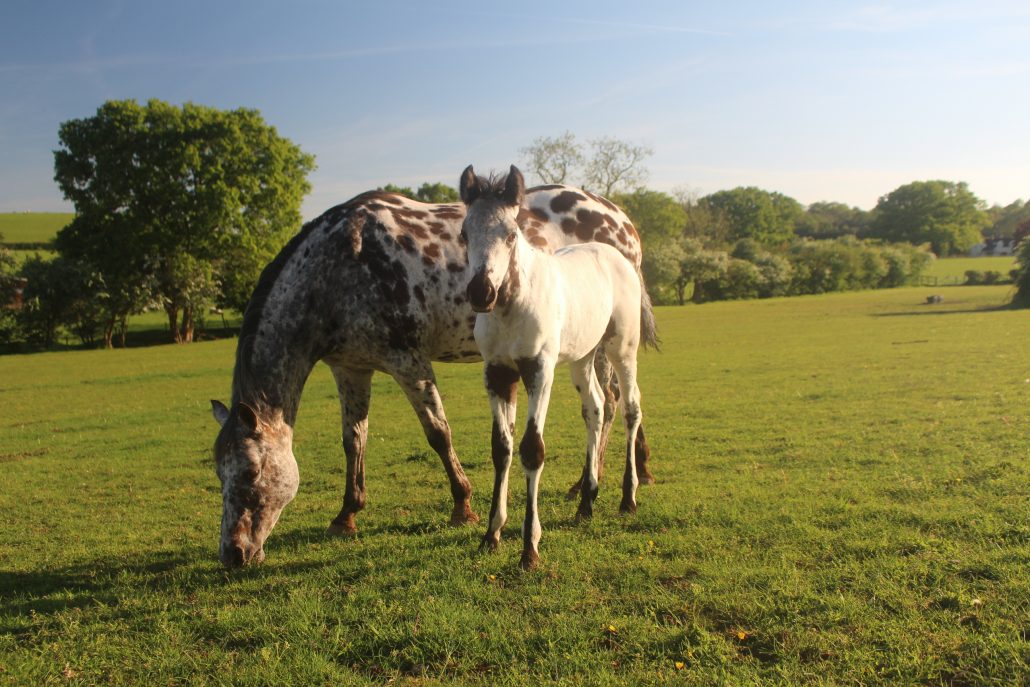
Redheart Relentless
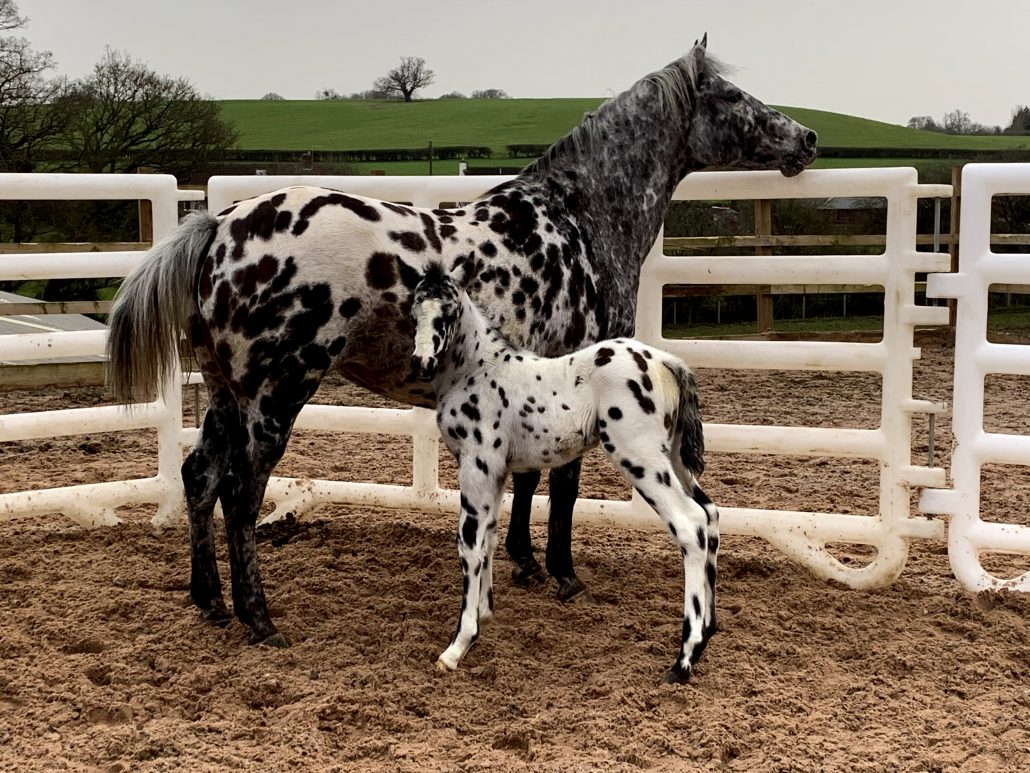
Redheart Raven
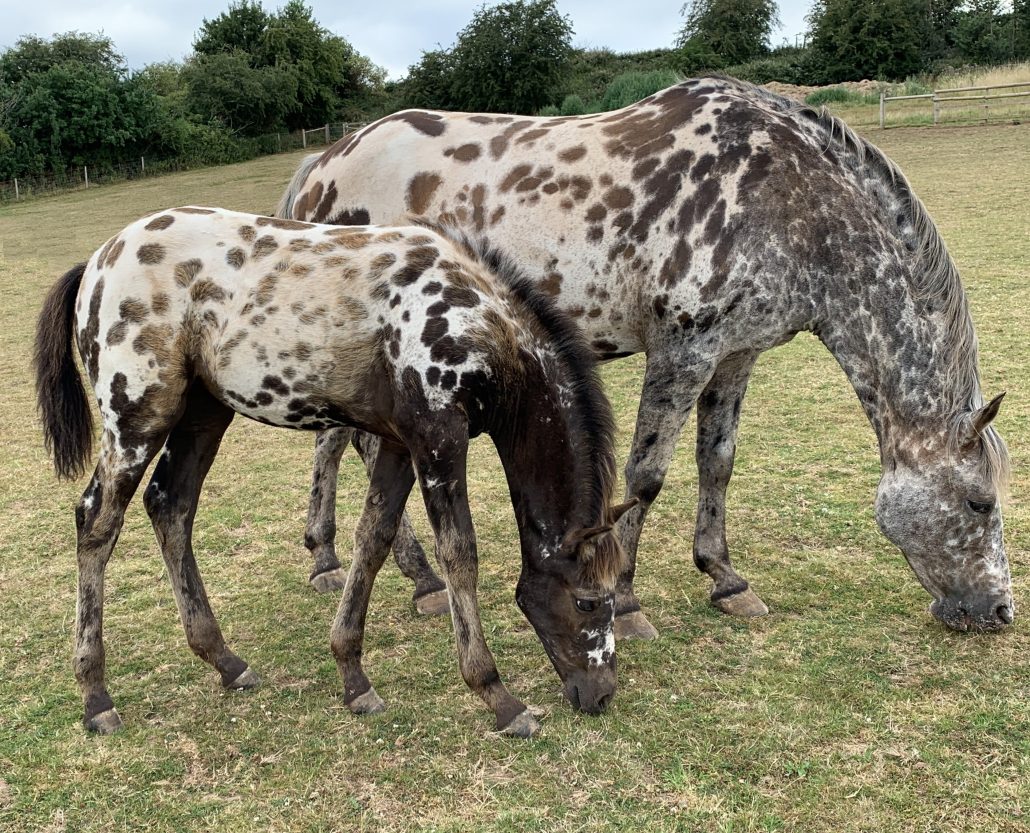
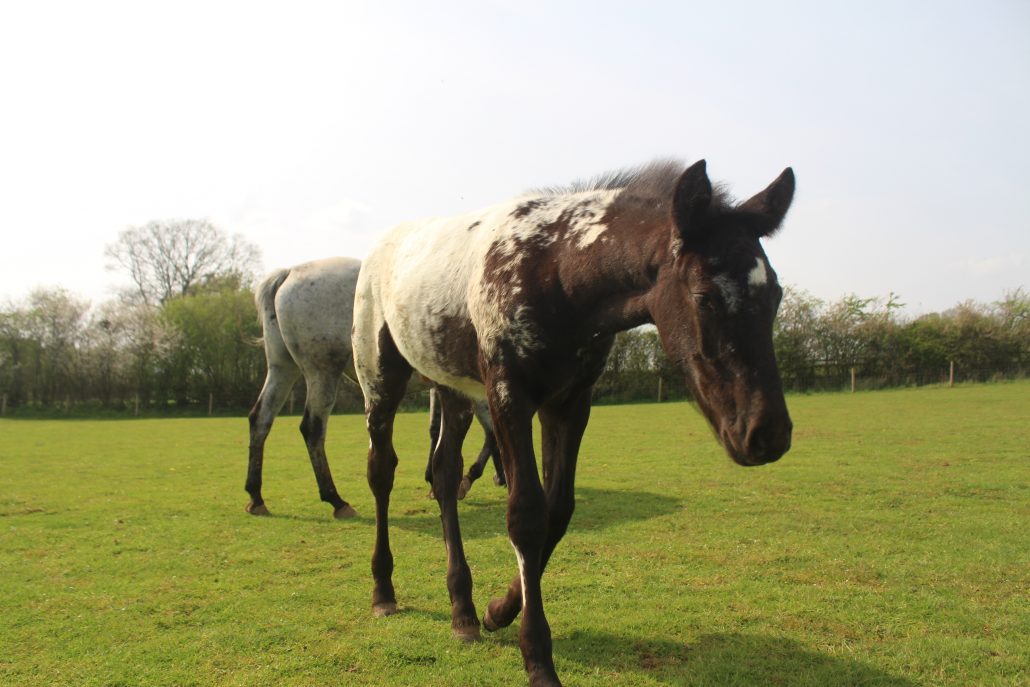
Redheart Raphiele
Catori x Blu 2023
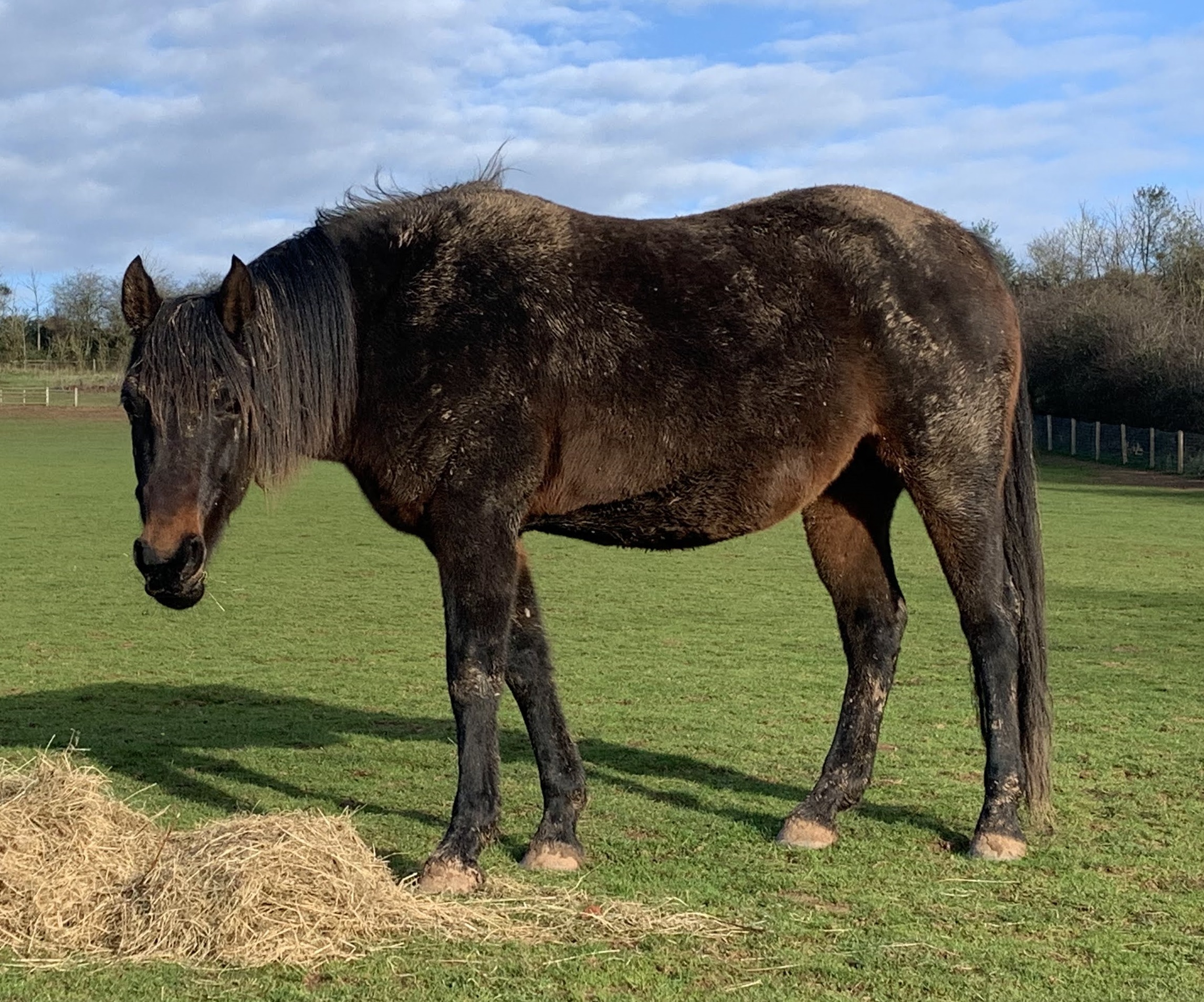
 

Caricks Redheart (Myka) is confirmed in foal to DRF Patahas Redheart (Blu) for 2023.

The Appaloosa is a Breed not a colour and the non-Characteristic (lp/lp) horses like our Caricks Redheart is an absolute blessing for producing 100% characteristic Appaloosa foals (LP/lp) when mated with our homozygous (LP/LP) stallion Blu.

Here is Myka with her three foals by Blu, she can only produce spotted bay or buckskin foals.

We look forward to the safe arrival of her fourth full sibling in 2023.


Redheart Reflection
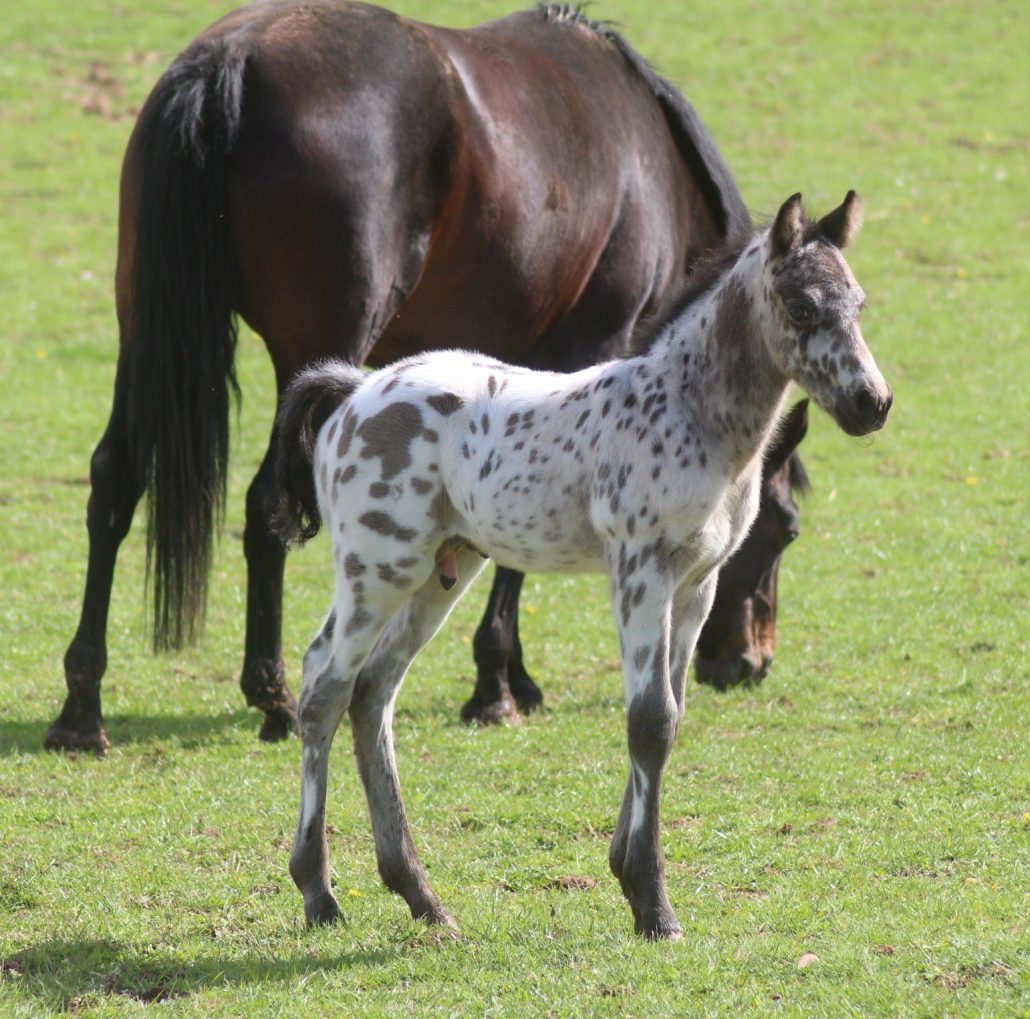
 

Redheart River Run
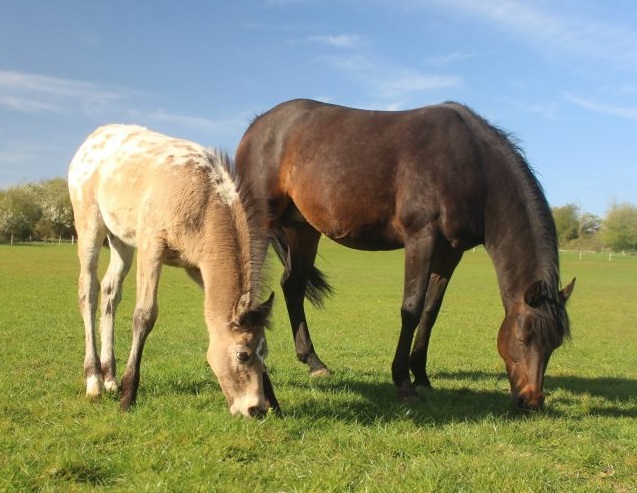
Redheart Romance
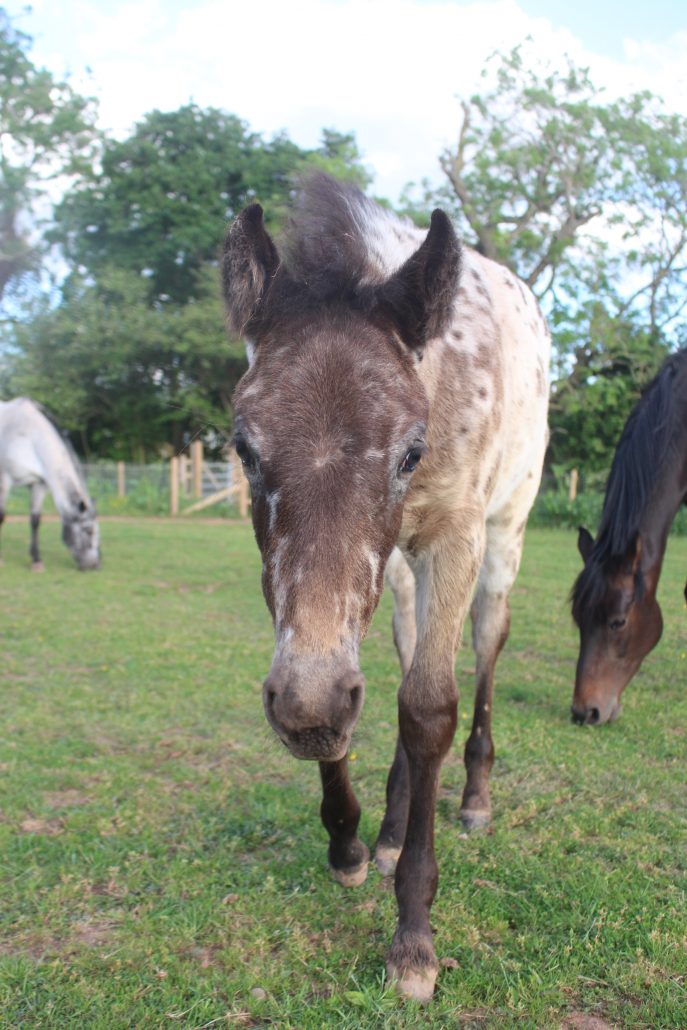
2023 Myka x Blu
Everything crossed for the foal’s safe arrival – The Class of 2023.

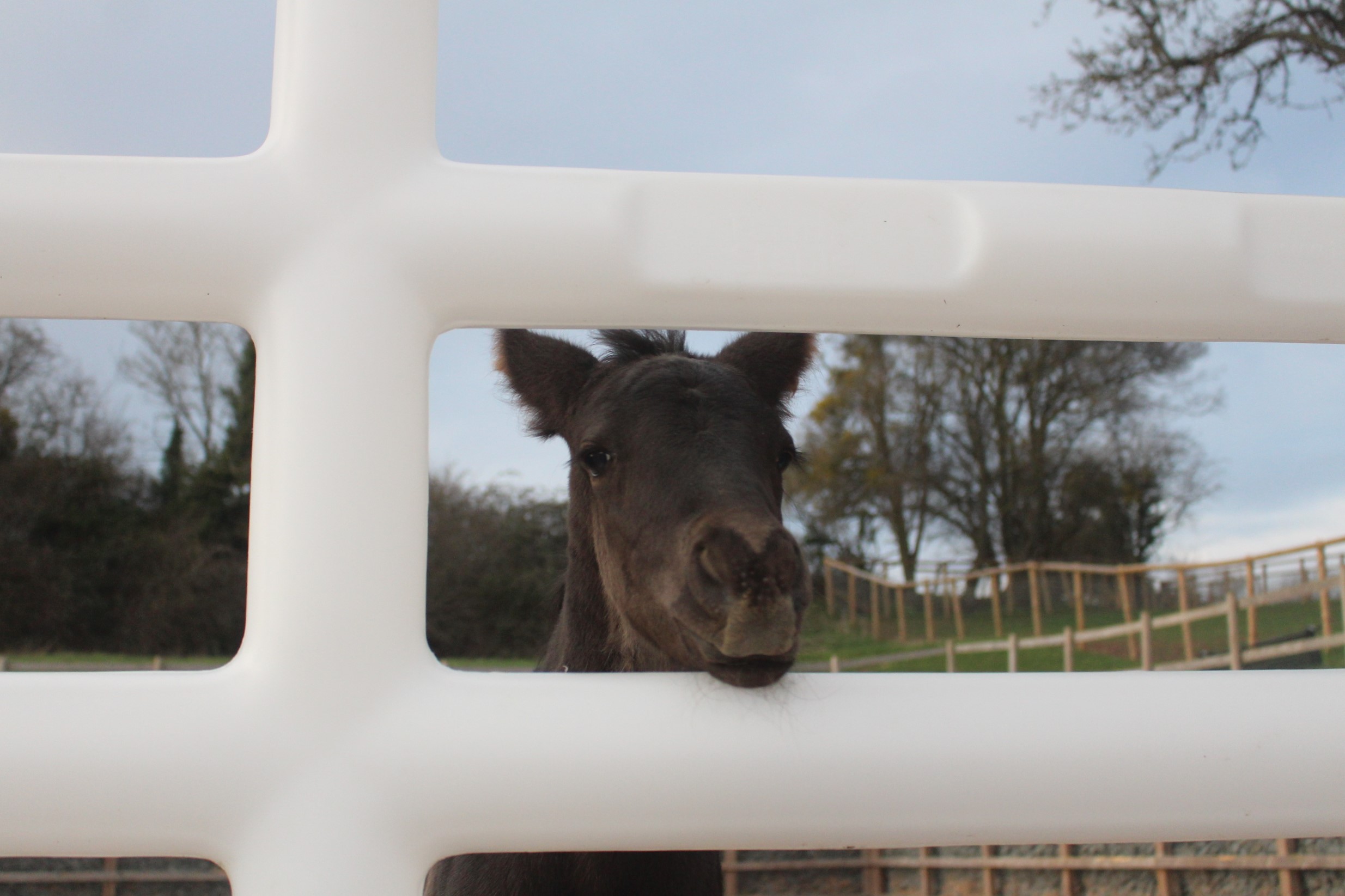


Remy & Really Restrained via DuraCorral


When mares give birth, their natural instinct is to protect their foals. For that reason, we would never turn a mare and foal out within the main herd from day one. Our situation in March 2022 was made even more challenging by the relentless wet weather and muddy ground conditions.

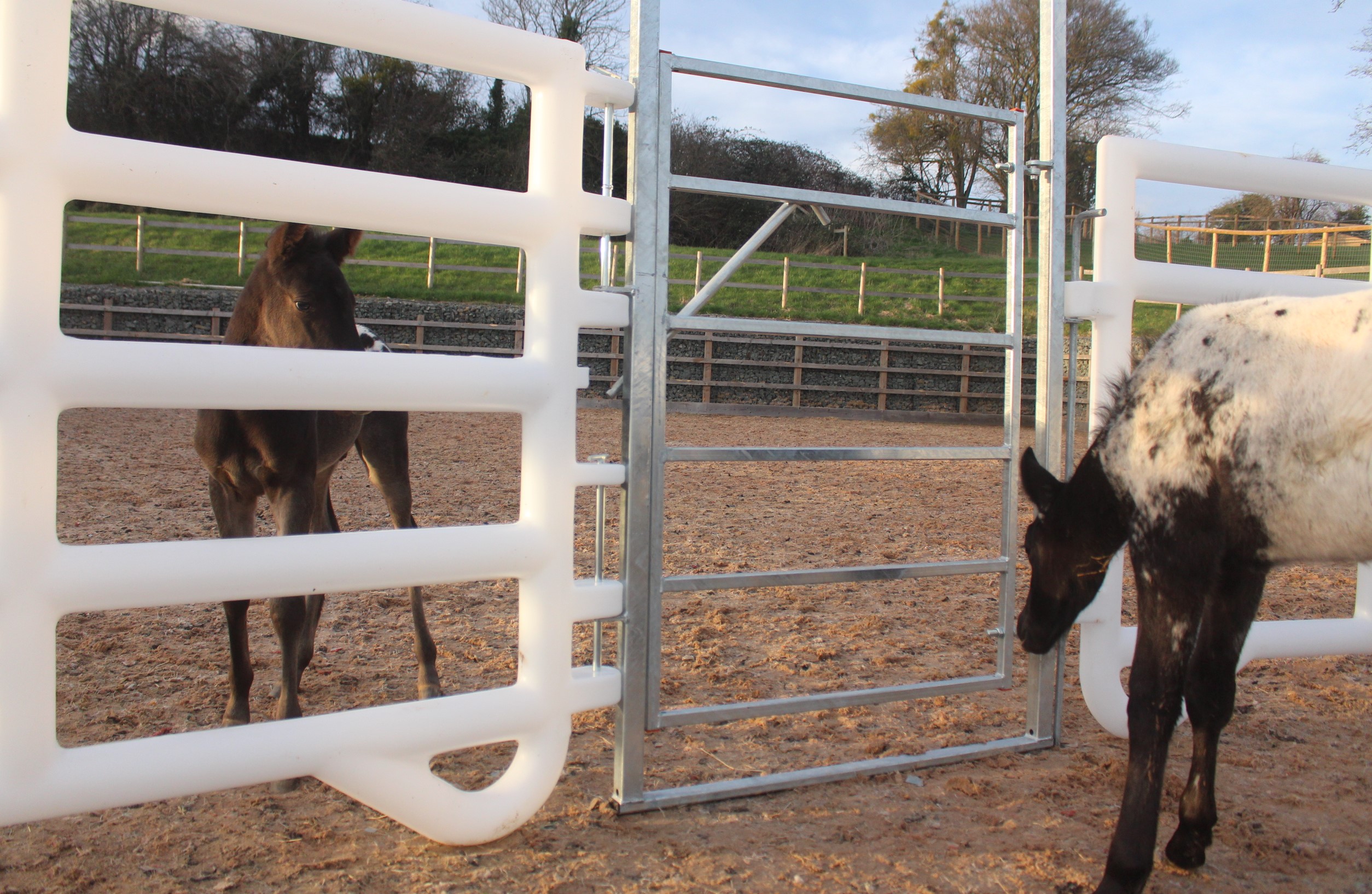
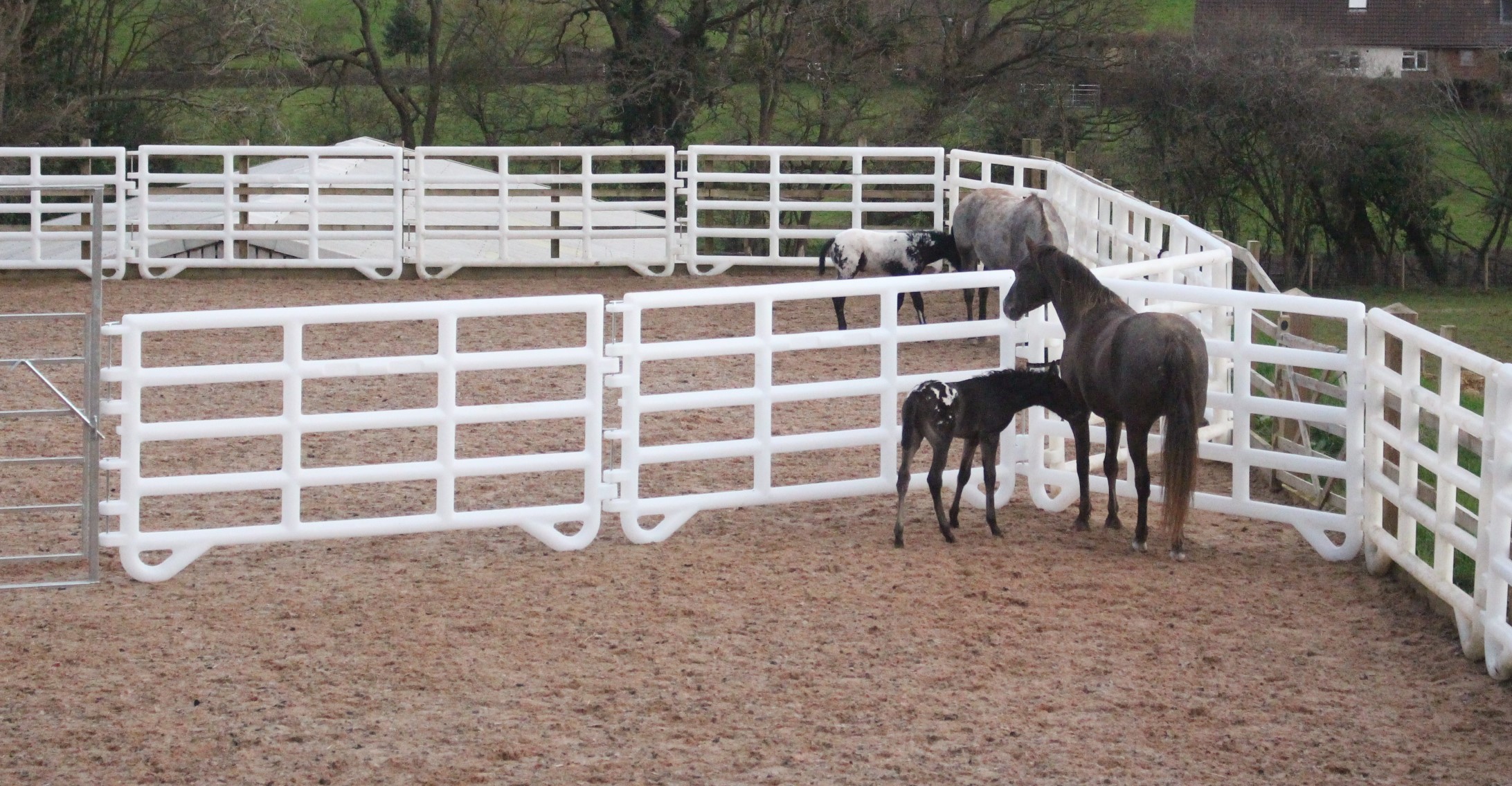
We were unwilling to risk any potential infection through a foal’s umbilical cord, so we decided to invest in additional DuraCorral panels and divide the ménage into two separate areas.

This setup has proved invaluable. Not only does the ménage continue to serve as a riding arena when daylight permits after normal working hours, but it also helps prevent the horses from chewing the wooden fencing. Most importantly, during this period of awful weather, it has allowed us to safely turn both mares and their foals out each evening while we muck out and prepare their stables.

We are now so close to gaining that extra hour of daylight. Regardless of the weather or daylight hours, the mares and foals are turned out daily whenever conditions allow, providing them with the physical exercise and mental stimulation that we believe are essential to their wellbeing.


Redheart Mares – Counting down the foaling days 2022

The 5 Redheart broodmares are looking great, feeling fine and totally relaxed in their routine as we start to count down the days to foaling and pray for the safe arrival of our 2022 foals.

We are expecting two foals from Reus and three foals from Blu, all have full siblings except Reus x Ghost, this will be our first ever Foundation Appaloosa Horse Registry (FAHR) foal from our Catori line. It goes without saying, all we want is a healthy new-born but we would be blessed to see a filly delivered. A filly would be retained for our future breeding plan with Fire or Blu, continuing our path of the UK’s Foundation Appaloosa Stud.

Counting down the foaling days 2022 


The Class of 2021 – The Window of opportunity…

We initially rely on our mares to help teach the foals to lead and stand.
We take full advantage of a small window of opportunity when the foals only want to follow their dams, when the apron’s strings are broken they are happy to be lead alone.

The Class 2021 – THE FIRST 48 HOURS

In conjunction with Farm & Stable Supplies for supporting the Appaloosa Horse Club (ApHC) UK 2021 Photo Competition. Thank you 🙂

Can you imagine being born within 4 walls and then the door is opened, a new environment awaits you but also the realisation of what your legs are for…

Our post foaling check list is quite extensive, but only then can we relax and enjoy our foals knowing we have done our best to ensure their well-being.

Here are some clips from The Class of 2021, showing their characters within in the first 48hrs of life outside the stable.

Here is a little video:

The Class of 2021 – STAGE 3 – Passing The Placenta

In conjunction with Farm & Stable Supplies for supporting the Appaloosa Horse Club (ApHC) UK 2021 Photo Competition. Thank you 🙂

STAGE 3 of foaling is known as delivery of the placenta. The mare’s uterus continues to contract after foaling which causes the placenta to be expelled BUT so much more happens before the placenta is expelled.

So, the foals are safely out, either our mares get up or our foals crawl to their dam’s head but either way the umbilical cord breaks and the foals begin their first mission, to get to their feet. Their second mission is to find the milk bar, both missions are challenging, we only intervene if required to do so.

Our mares’ bond with their foals by licking, nuzzling, and nickering to them, it is wonderful to watch.

During the processes of the foals’ natural instincts, to stand and feed, the mare’s body is constantly experiencing the pain of contractions, the ultimate result we wait for is a placenta that is completely intact.

Once we are satisfied the foal has properly latched on and nursed, the foal has urinated and passed the meconium and most of all the placenta is intact, only then do we leave them, knowing we have done everything possible to ensure a great start to their new life.

Here’s a little video:

The Class 2021 – STAGE 2 FOALING

In conjunction with Farm & Stable Supplies for supporting the Appaloosa Horse Club (ApHC) UK  2021 Photo Competition. Thank you 🙂

As the contraction persist, we witness the bulge of the white fluid-filled amniotic sac from the vulva followed by every breeder’s delight, two front feet and a nose. We wait and watch and talk to our mares, we know our mares well and they need to know I am there.

As the contraction persist, the feet and nose pop in and out of their vulvas, it is common for a mare to get up and back down as she repositions her foal for ease of delivery. The head and front feet are now out… Then, a few hard pushes that result in the shoulders passing through the birth canal and eventually the foal is out!

Telling them how well they have done and keeping everything calm, they whinny and look at their new-born and stay lying down which is beneficial for the foal to receive as much blood as possible to pass through the umbilical cord.

Right or wrong, we always pull out the back feet out, we know too many stories of foals trying to crawl whilst the feet are inside the mare whilst she is led down, the result can be detrimental to the mare, so we take no risks.

Whilst the foal is out, we gently clear the nasal passage of any fluid, imprint them before the mares get up or the foal crawl to the mares head and allow the bonding process to begin.

Either the mare will stay down, and the foal will start to crawl towards her, or the mare will get up and their first meet is just beautiful. This is their first bond, all our mares are great mothers, they are kind and do their foals well, we leave them bond.

Here’s a little video:

The Class of 2021 – STAGE 1 – Signs of imminent FOALING

In conjunction with Farm & Stable Supplies for supporting the Appaloosa Horse Club (ApHC) UK  2021 Photo Competition. Thank you 🙂

The Redheart Mare’s – Stage ONE of foaling and the imminent signs!

We keep our mares in a strict routine and when the doors are shut and a loud “night night” is yelled down the barn, the horses know it is quiet time and safe to foal.

Before foaling begins the mares must go through STAGE ONE of labour, a point prior to foaling when the mares look like they are showing signs of colic, box walking, kicking their bellies, rubbing their rear ends, lying down and getting up repeatedly, holding their tails up, looking at the flanks, nipping or kicking at the abdomen, sweating, frequently urinate and pass droppings, walking around, picking at bits of hay, pawing the ground, some show signs of yawning, chewing and generally looking restless with an obvious change in behaviour and generally looking uncomfortable.

We watch them closely as we wait for them to settle and not get worse…this is due to a hormone released which creates uterine contractions and the foal rotates from its back, onto its belly with its forelegs and head extended towards the mare’s vagina, it moves into position for ready for delivery.

It can last for hours with “breaks” in between or it can be consistent before foaling commences, either way, all mares are different, their pain thresh hold levels are different and all will show some of the signs mentioned. We watch them with a careful eye especially the maiden, she really has no idea what’s going on!

Here is a little video: