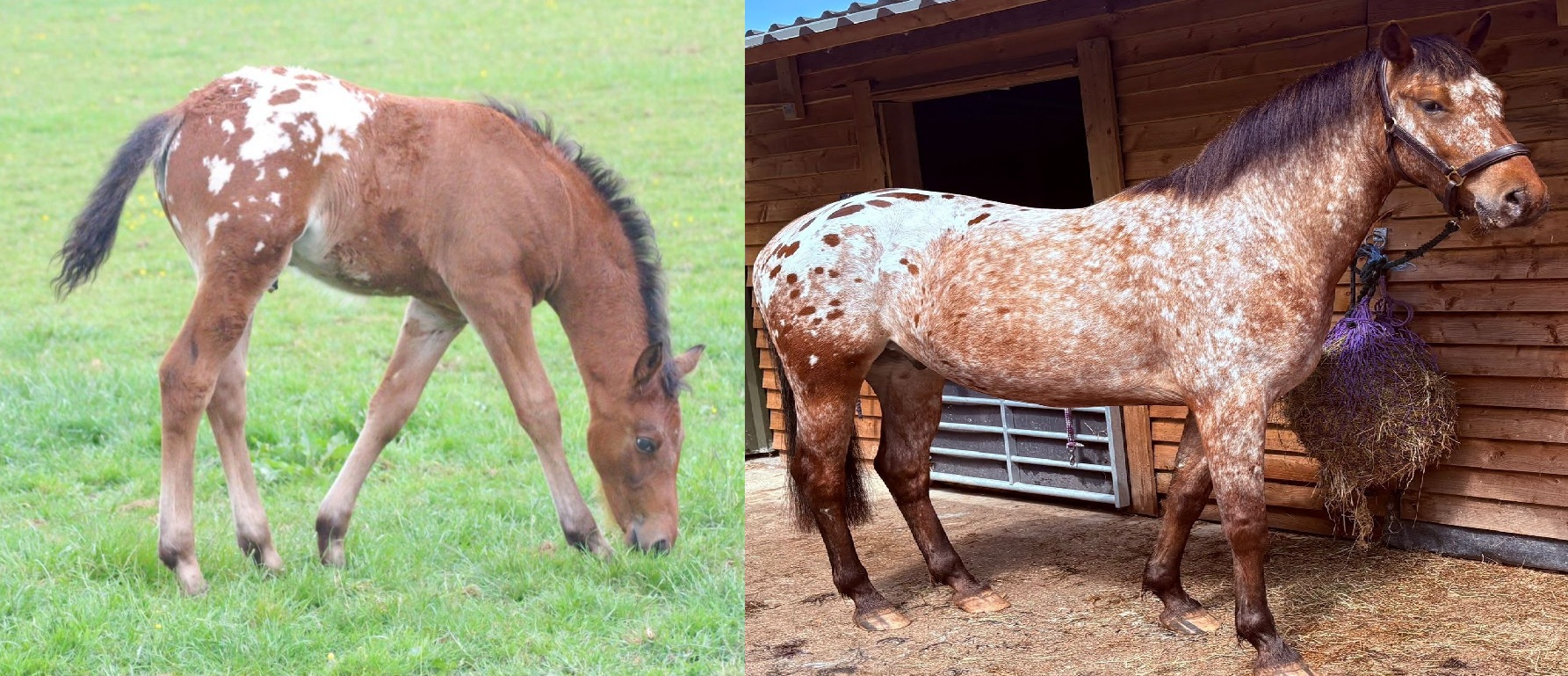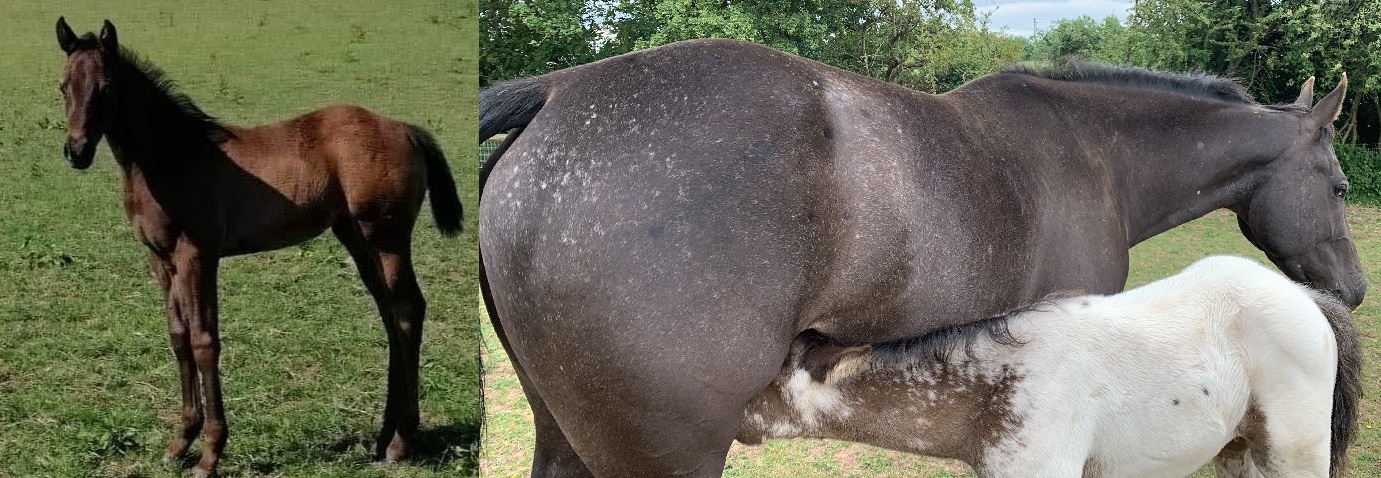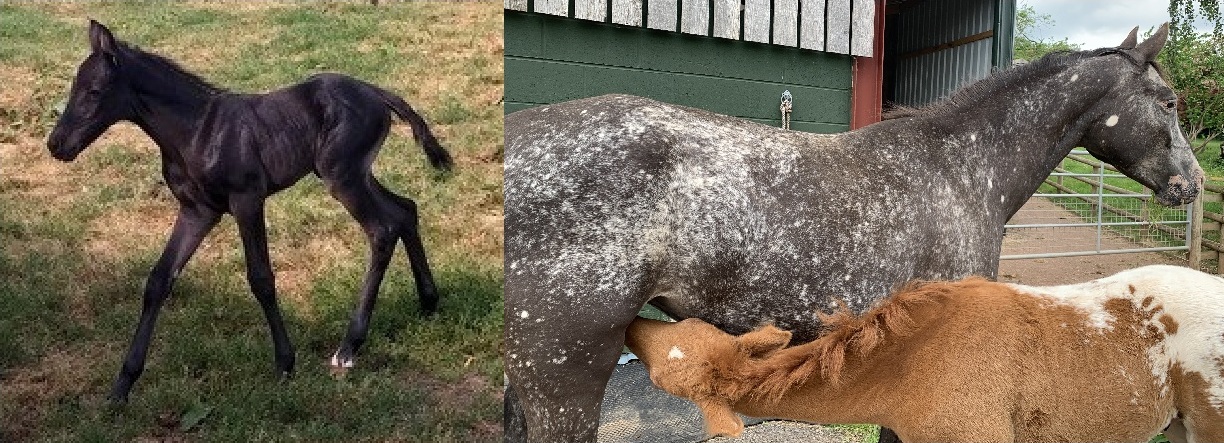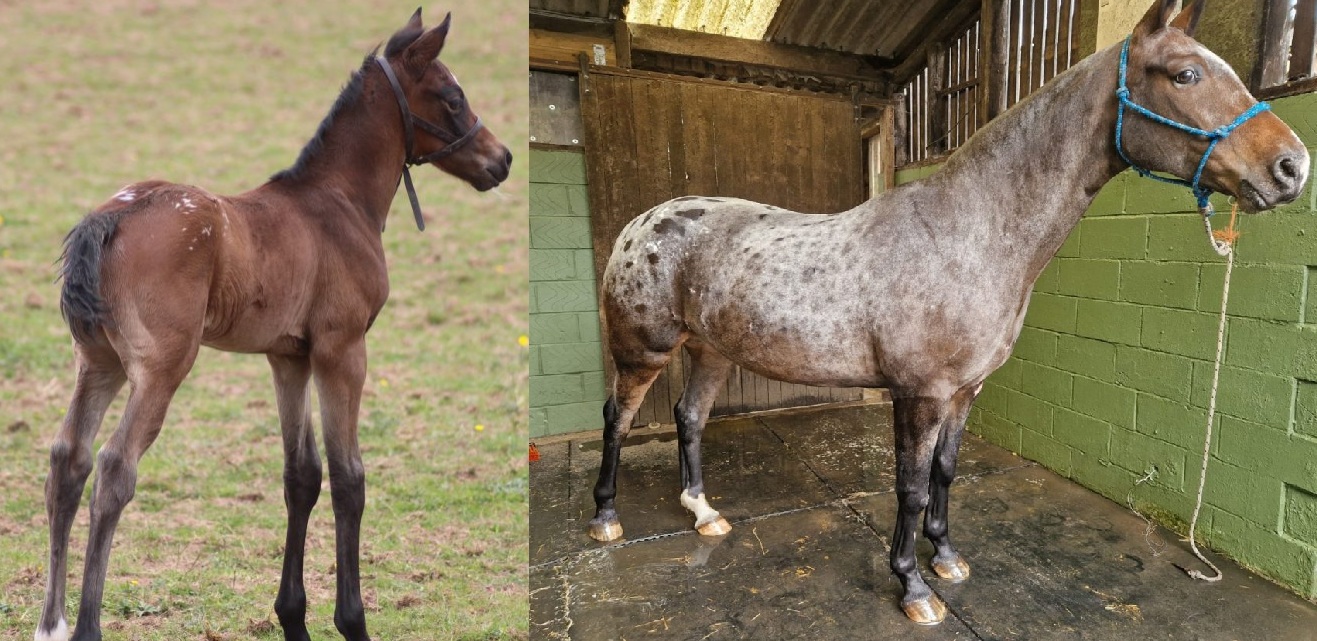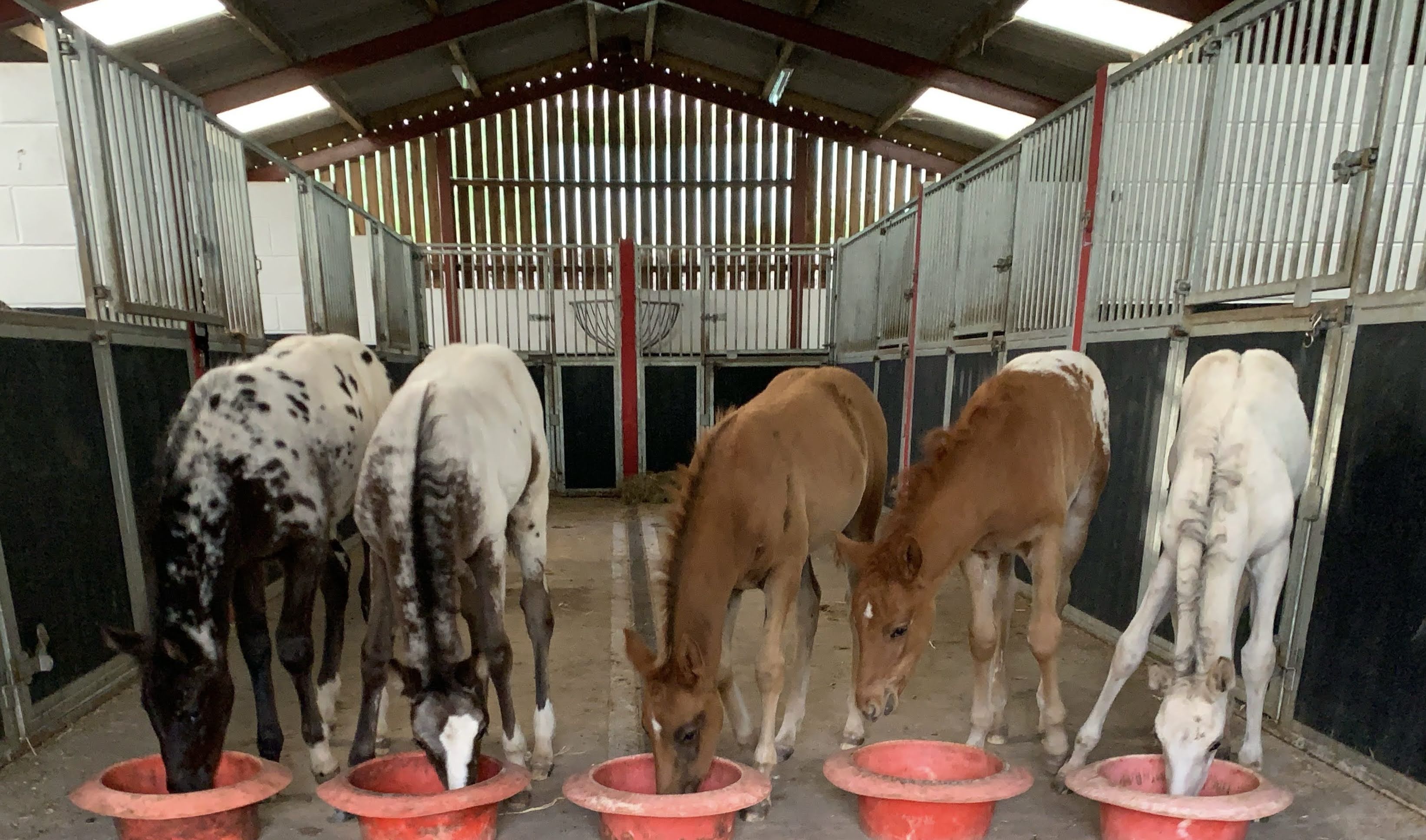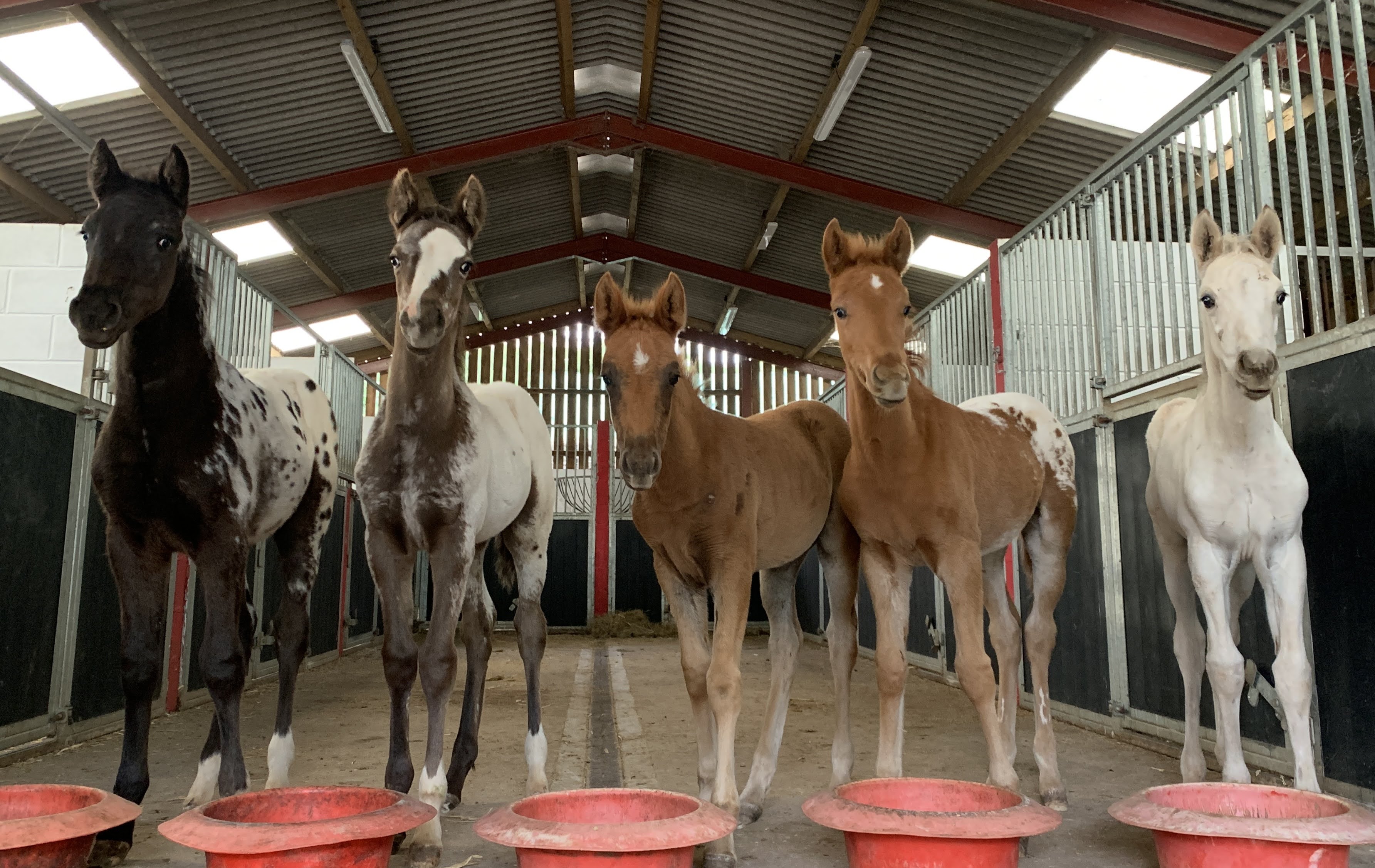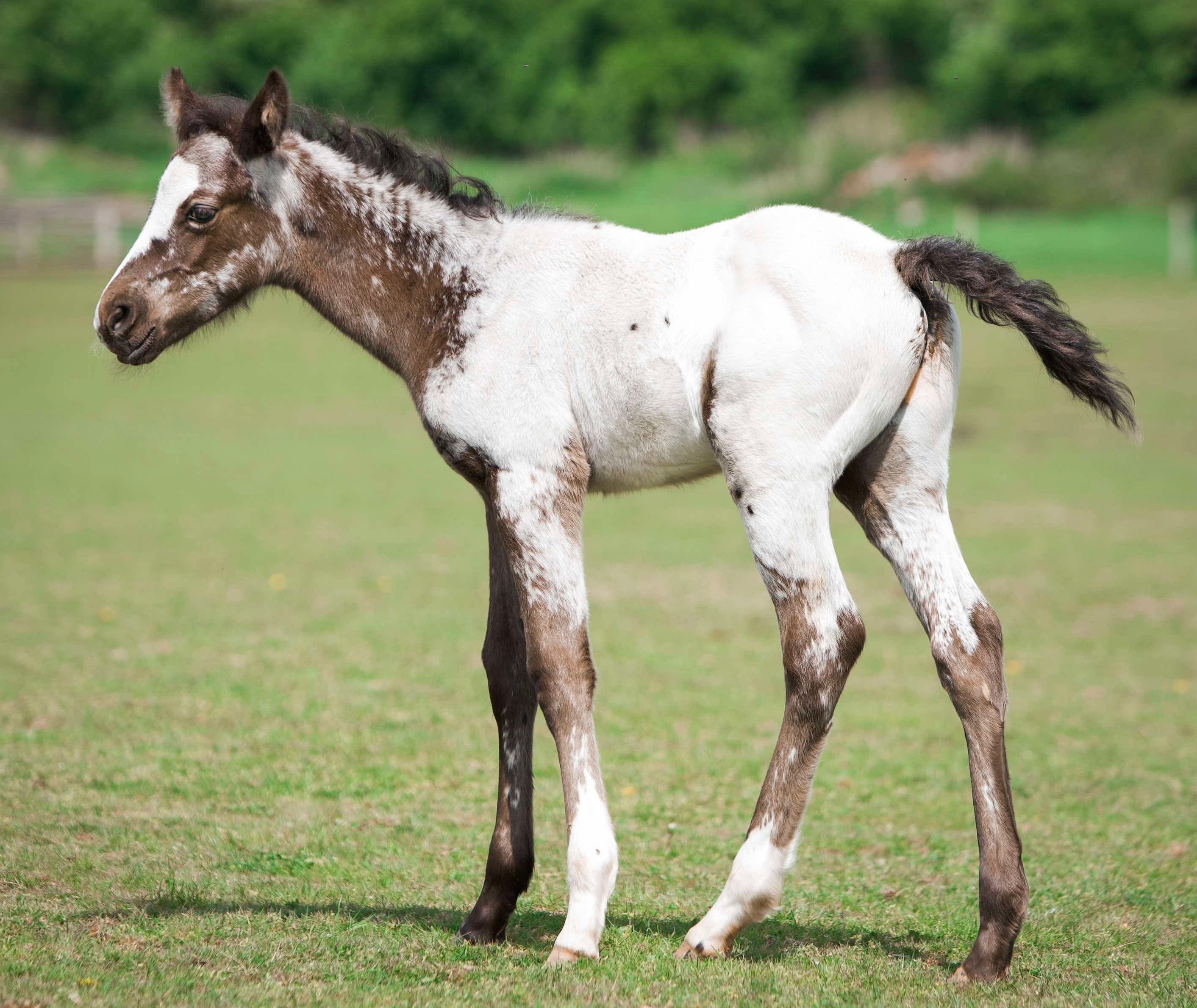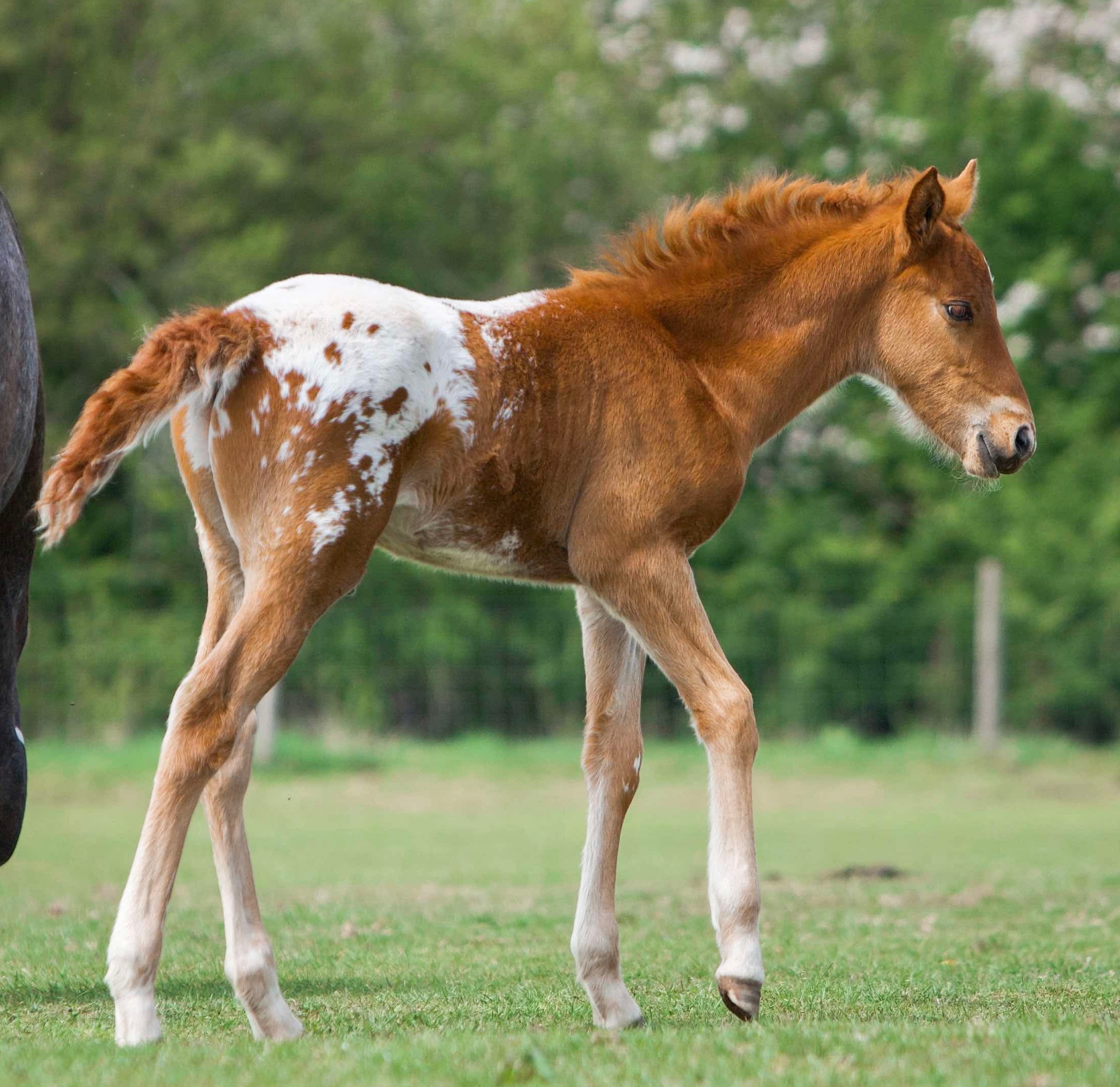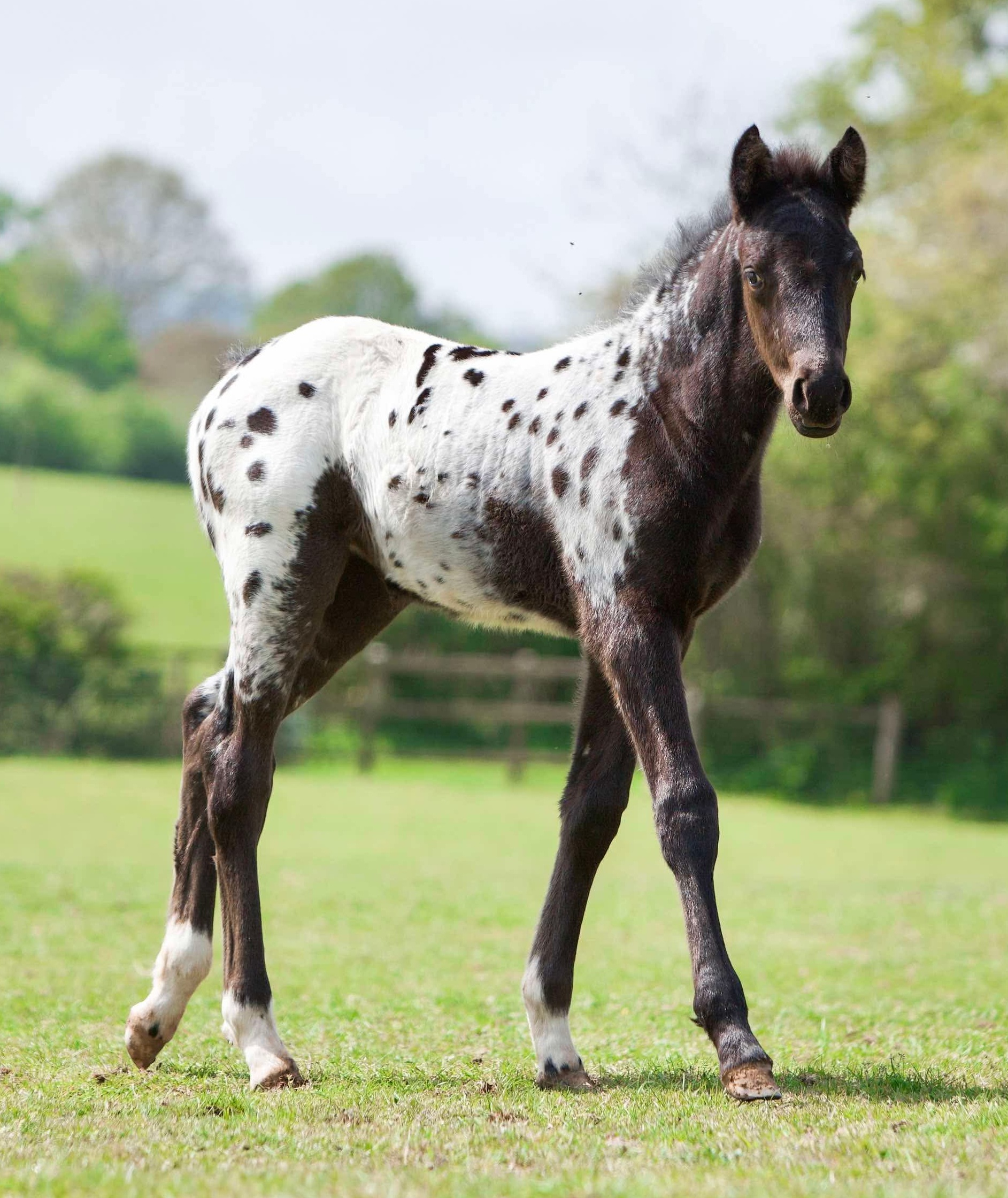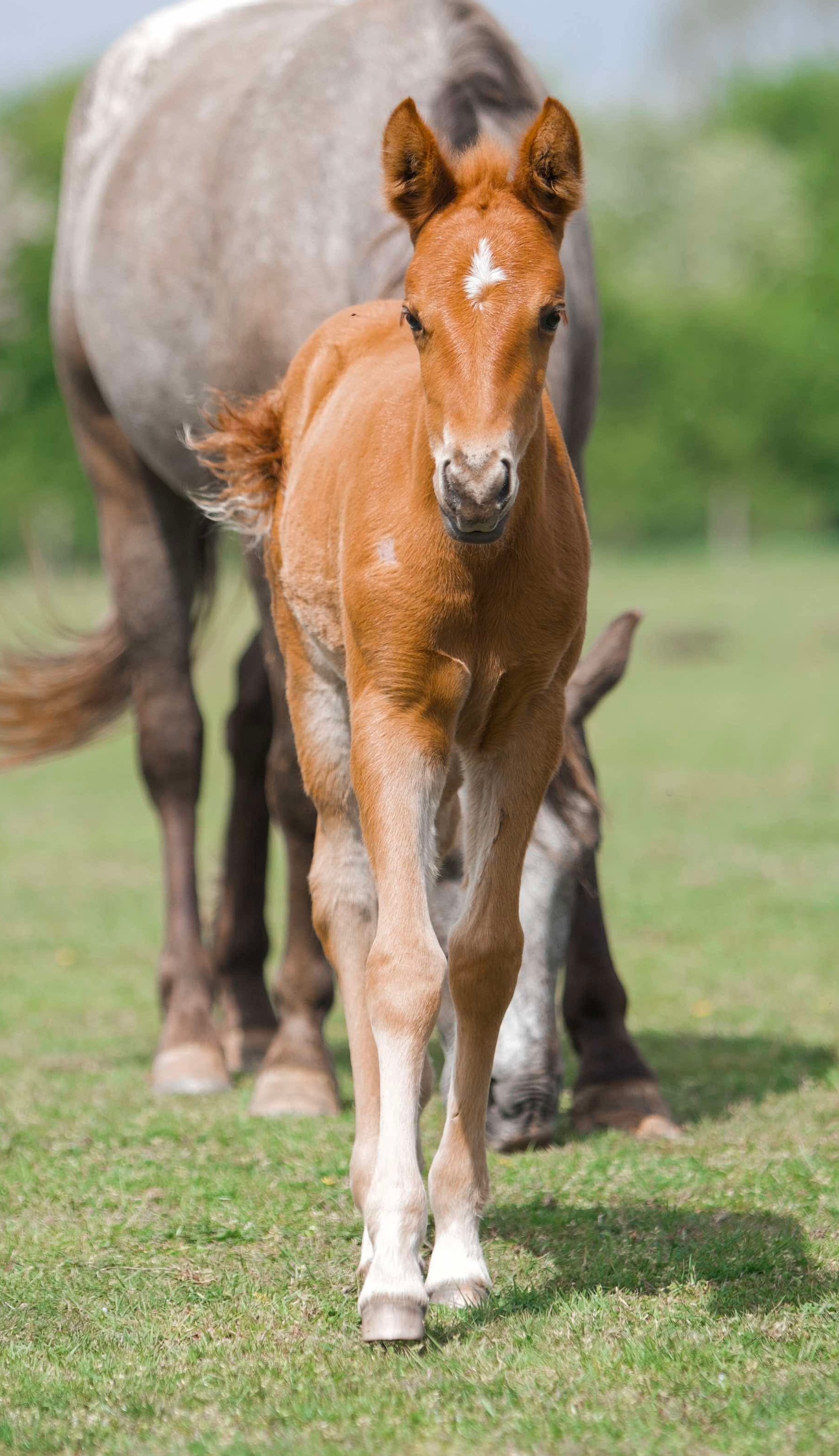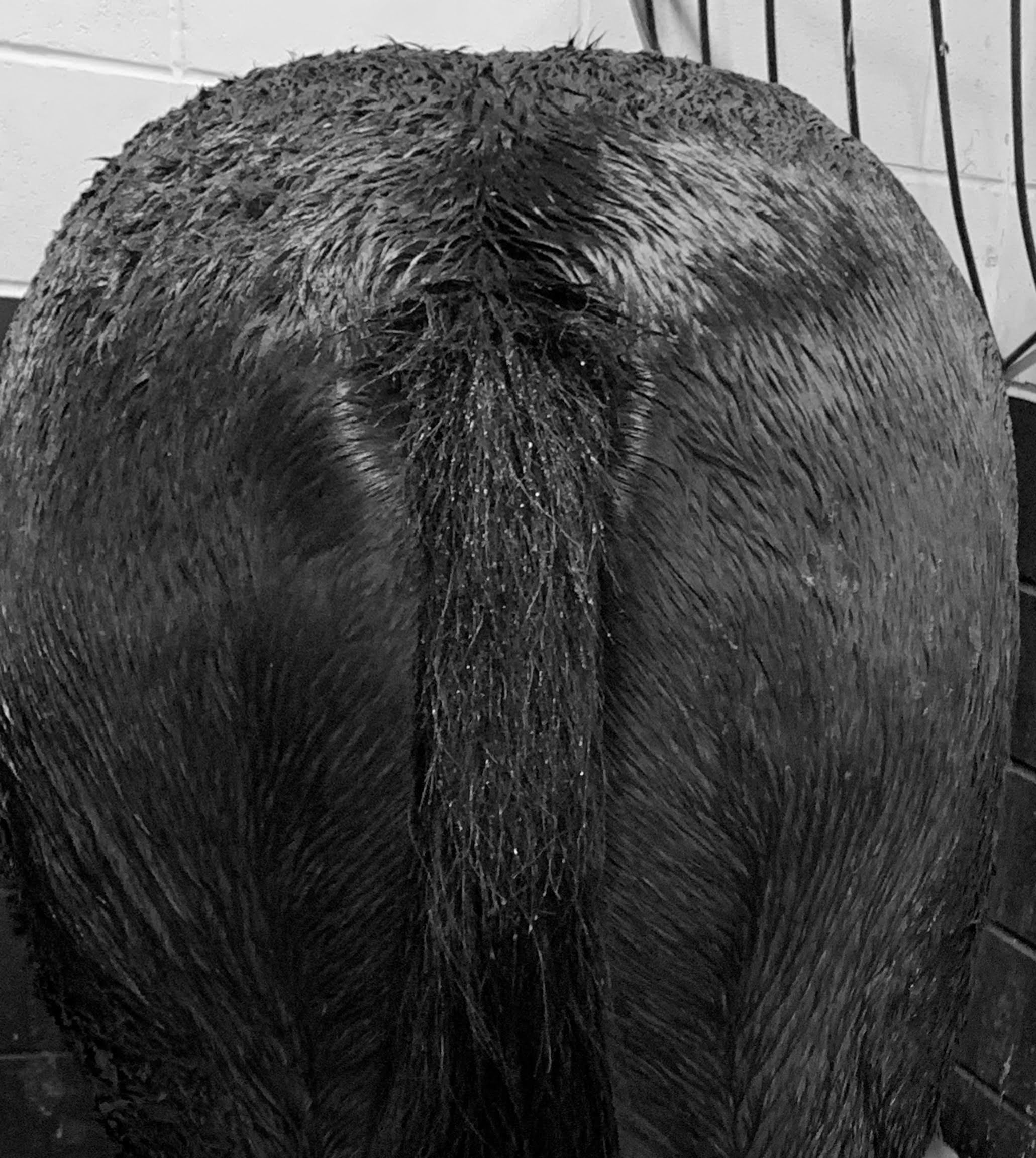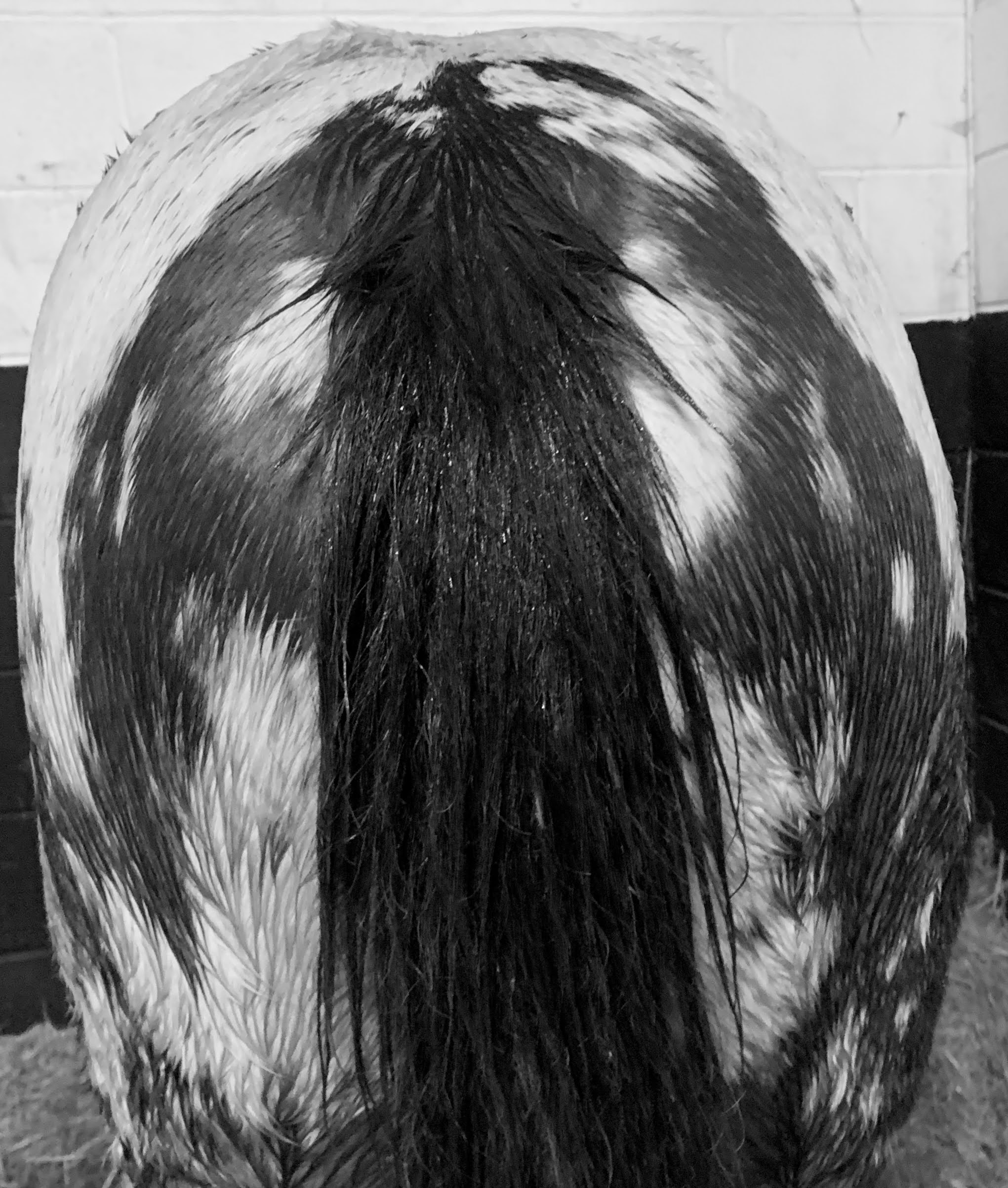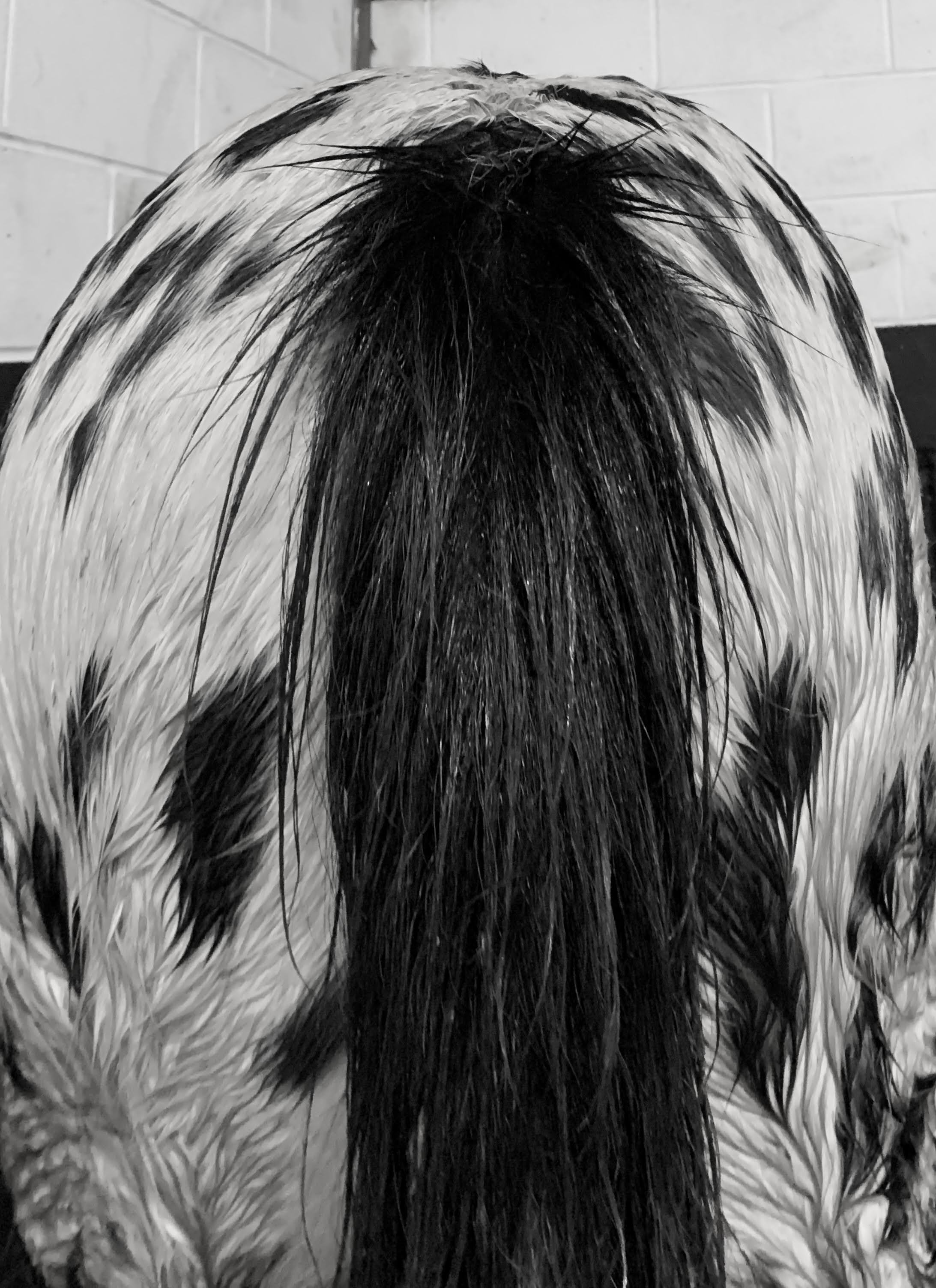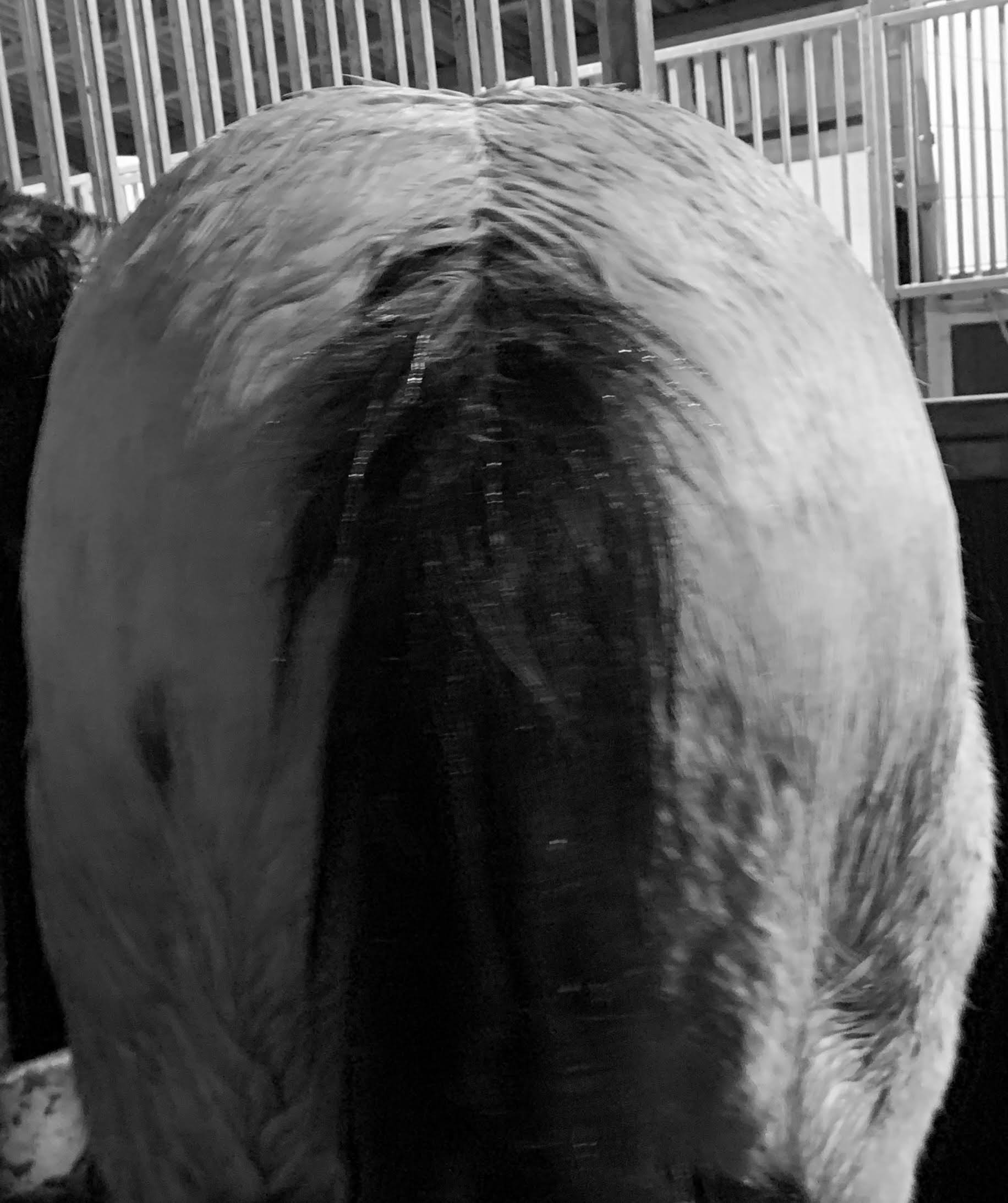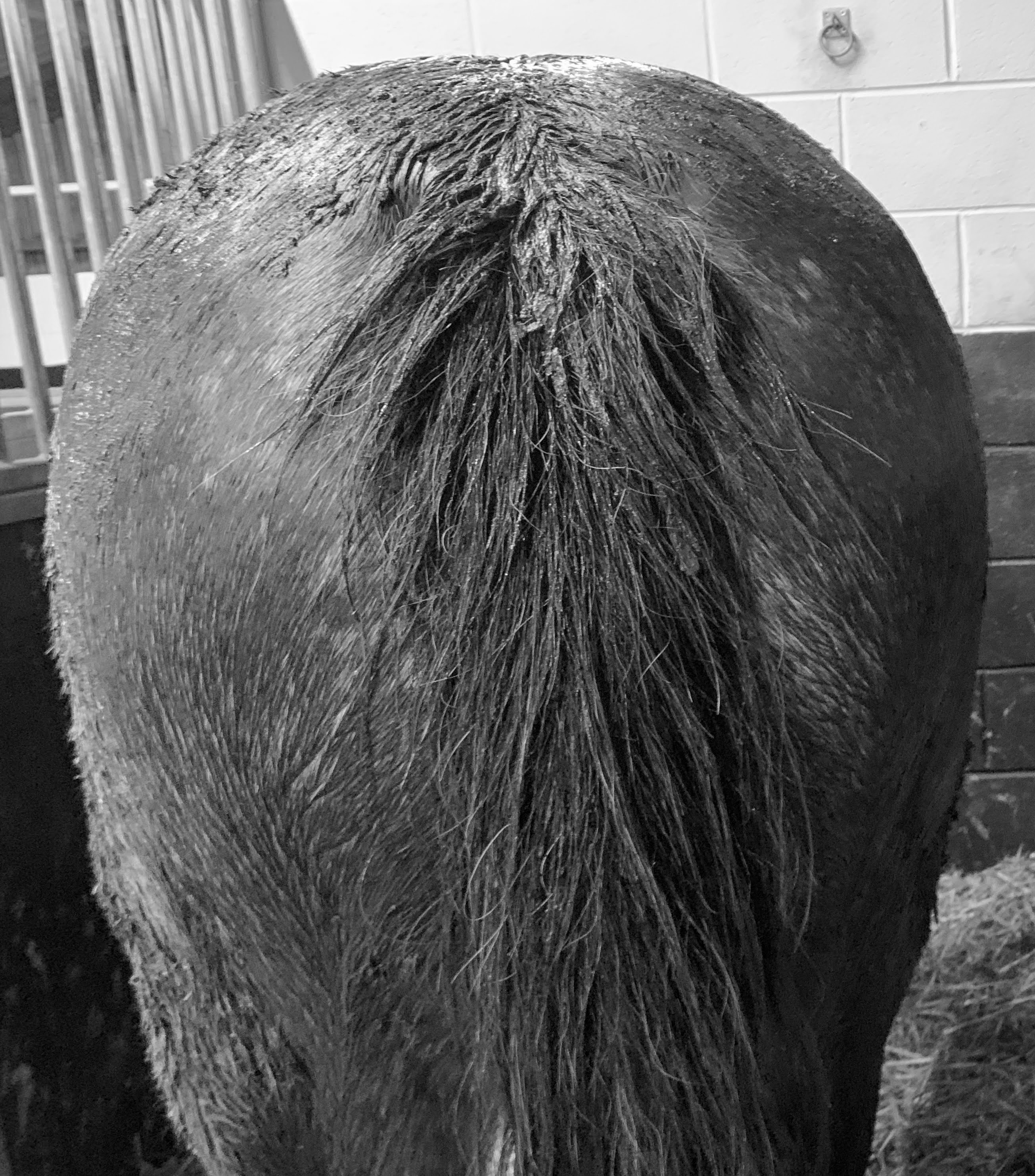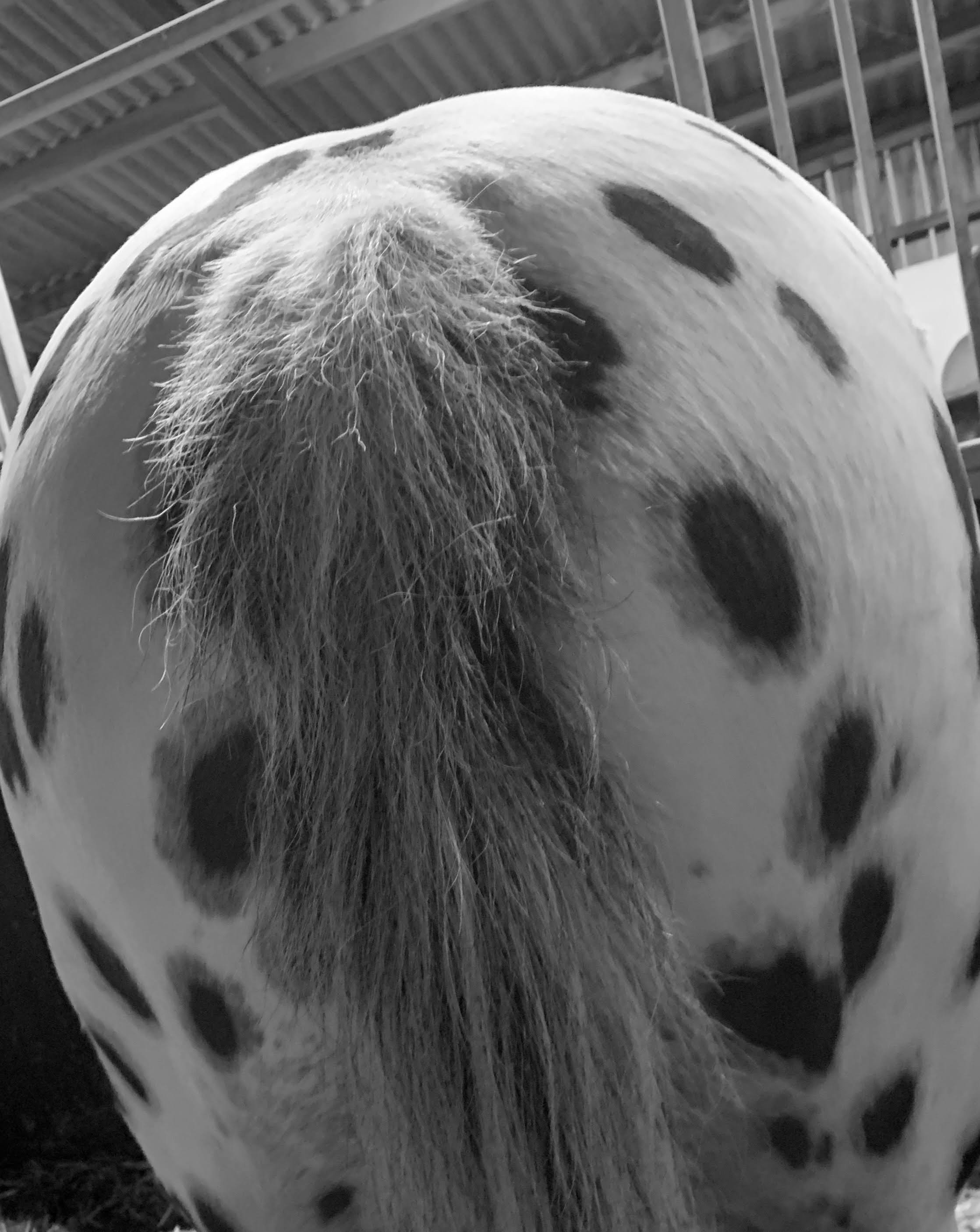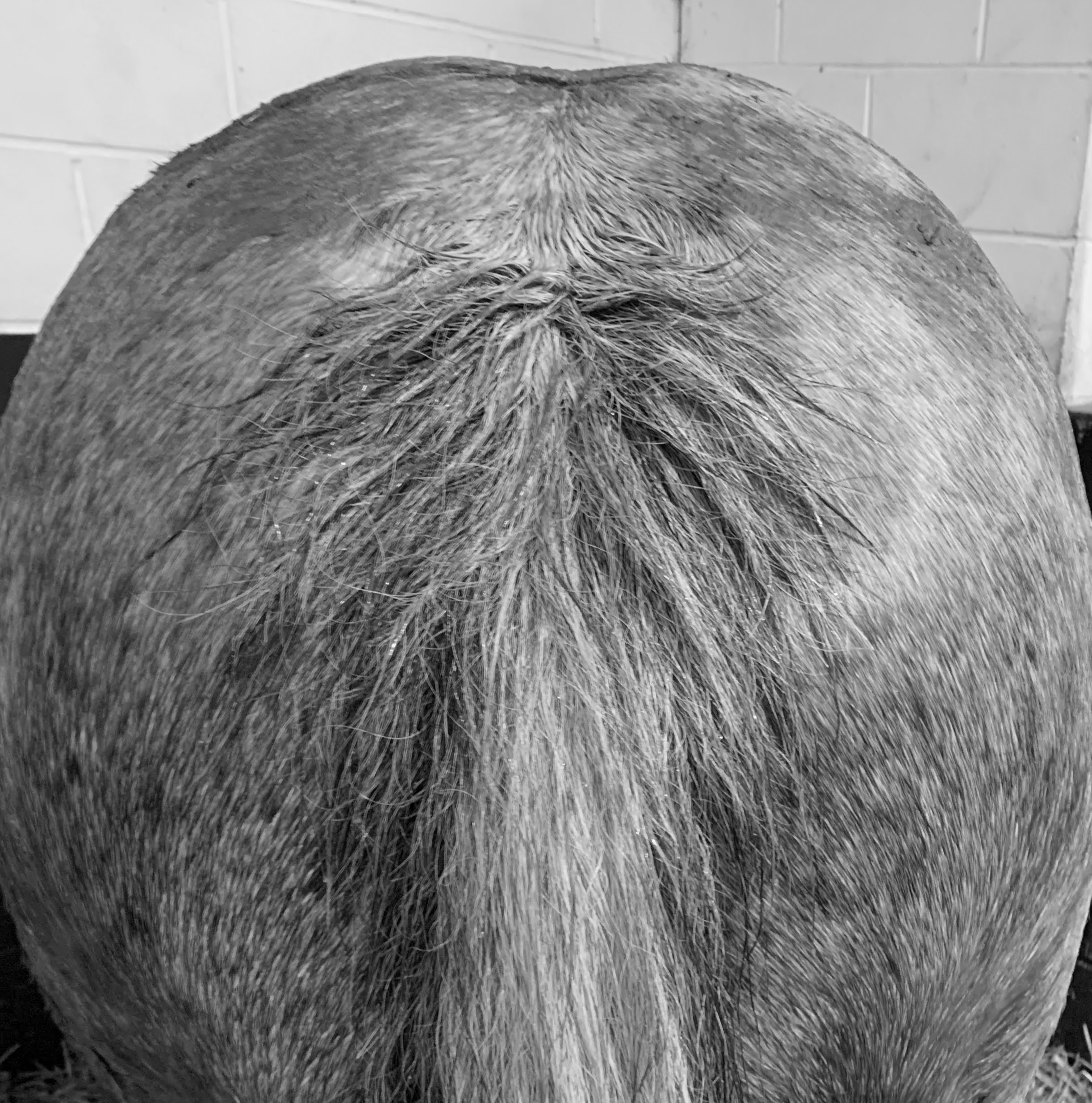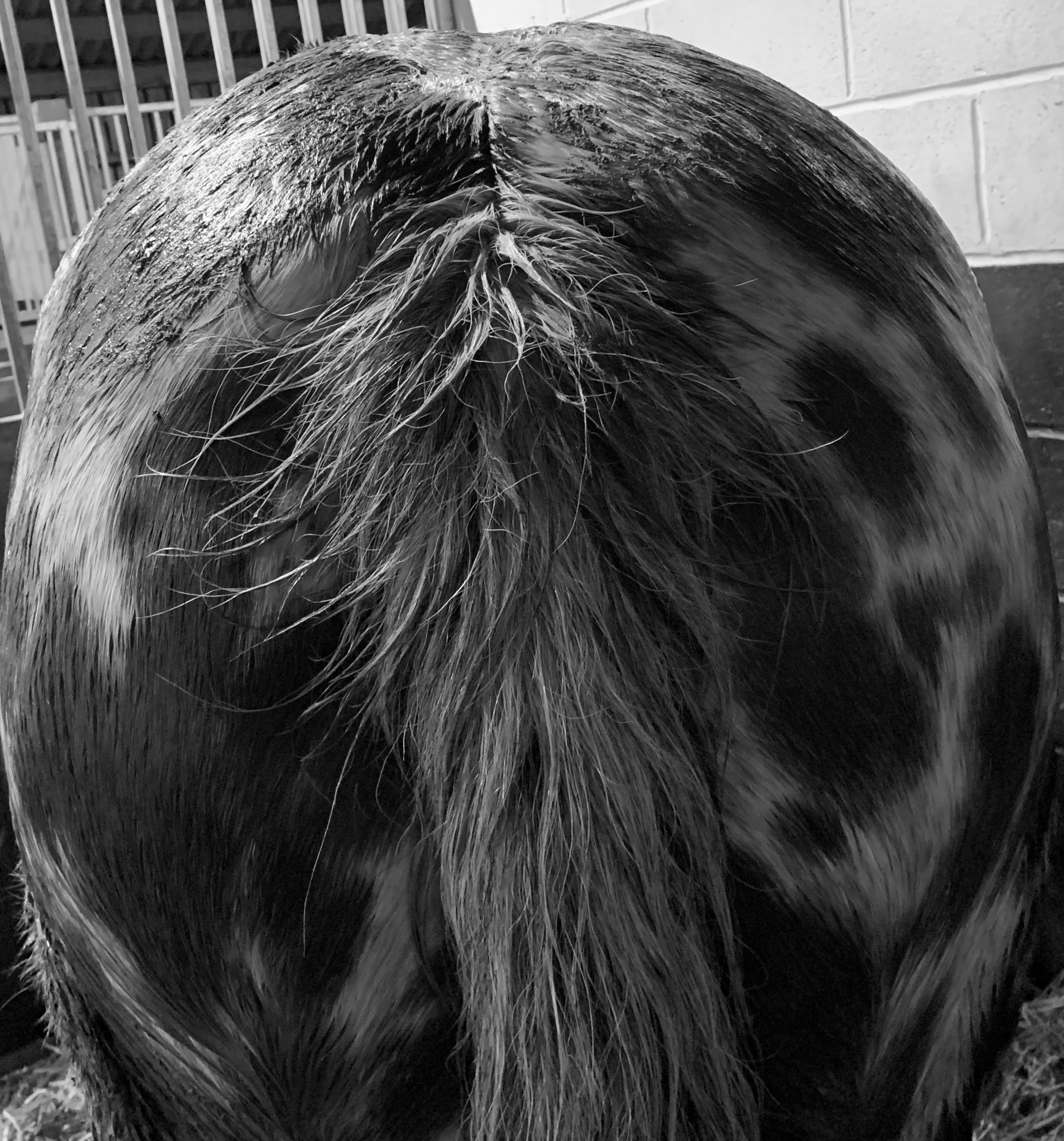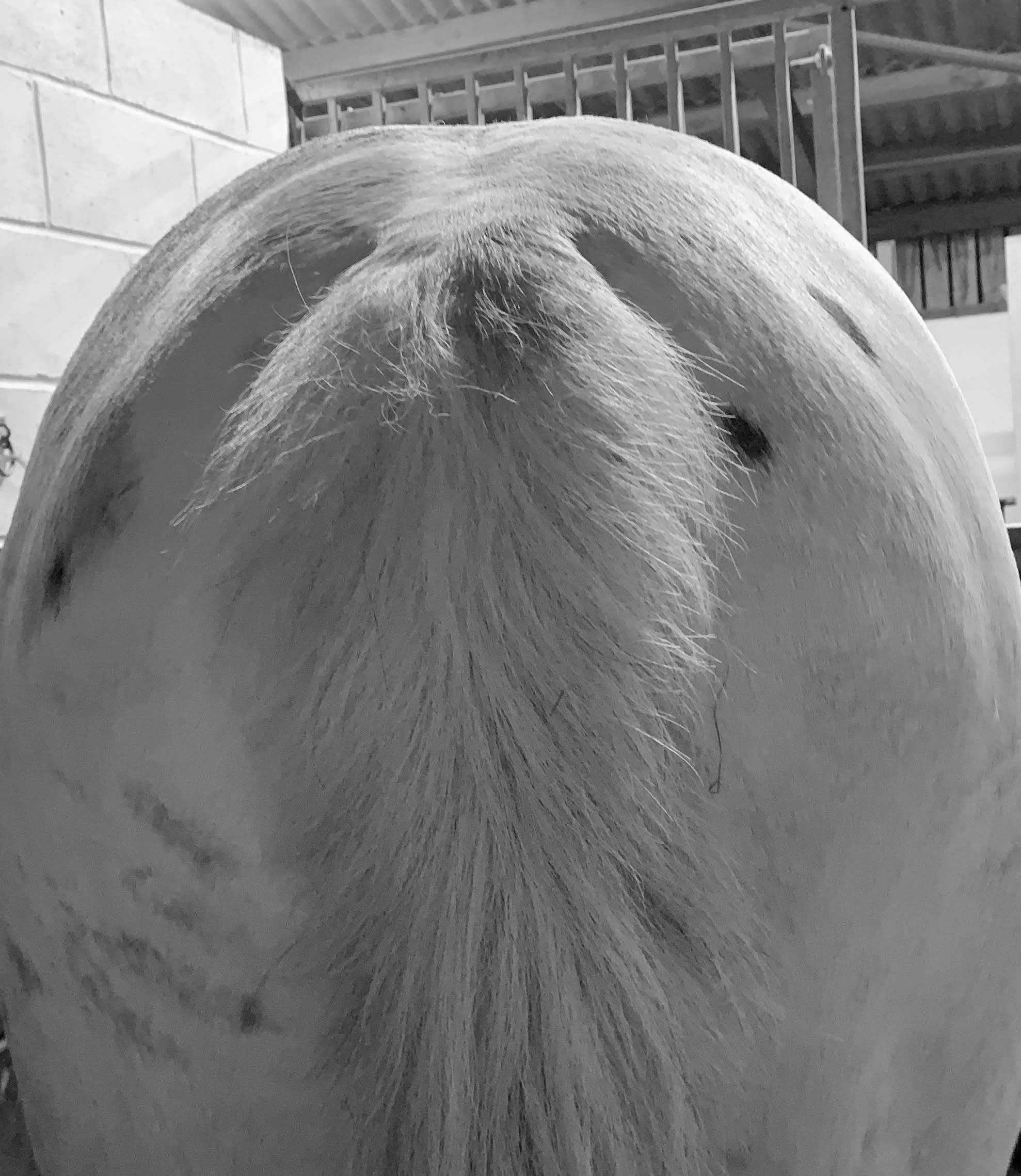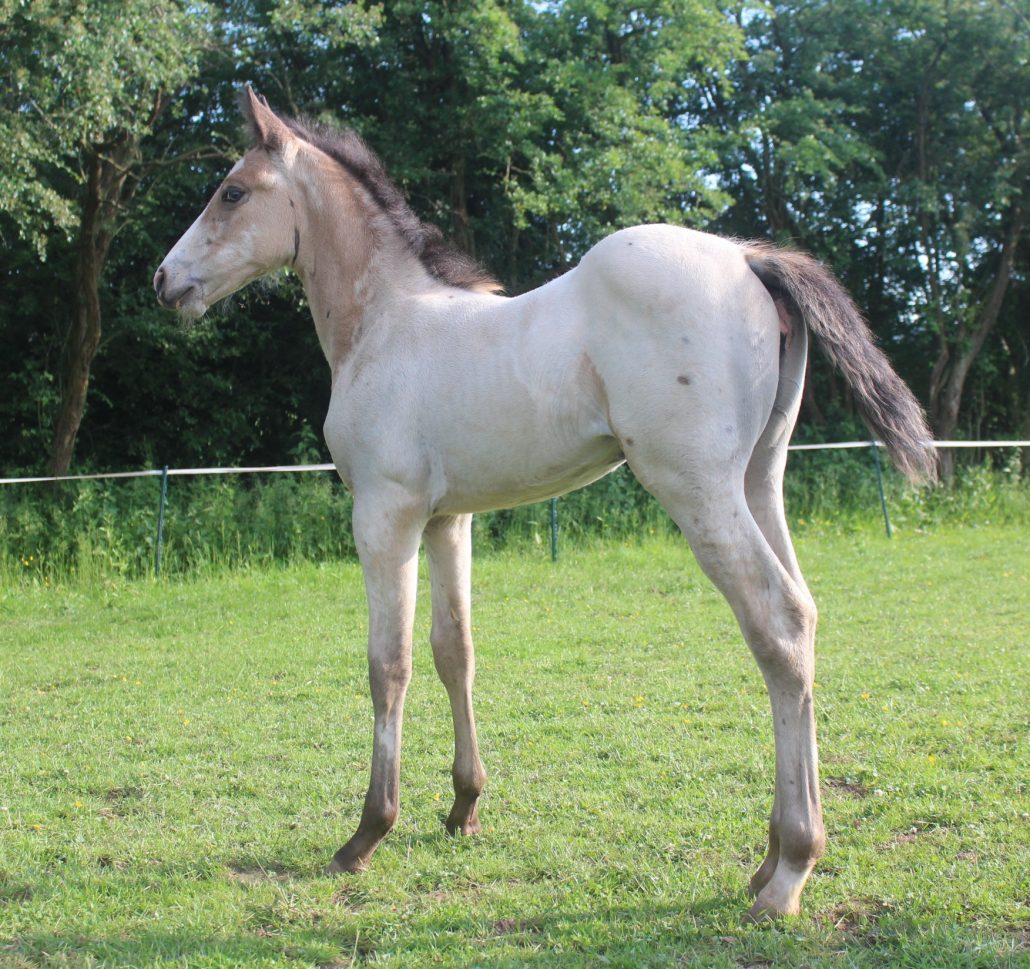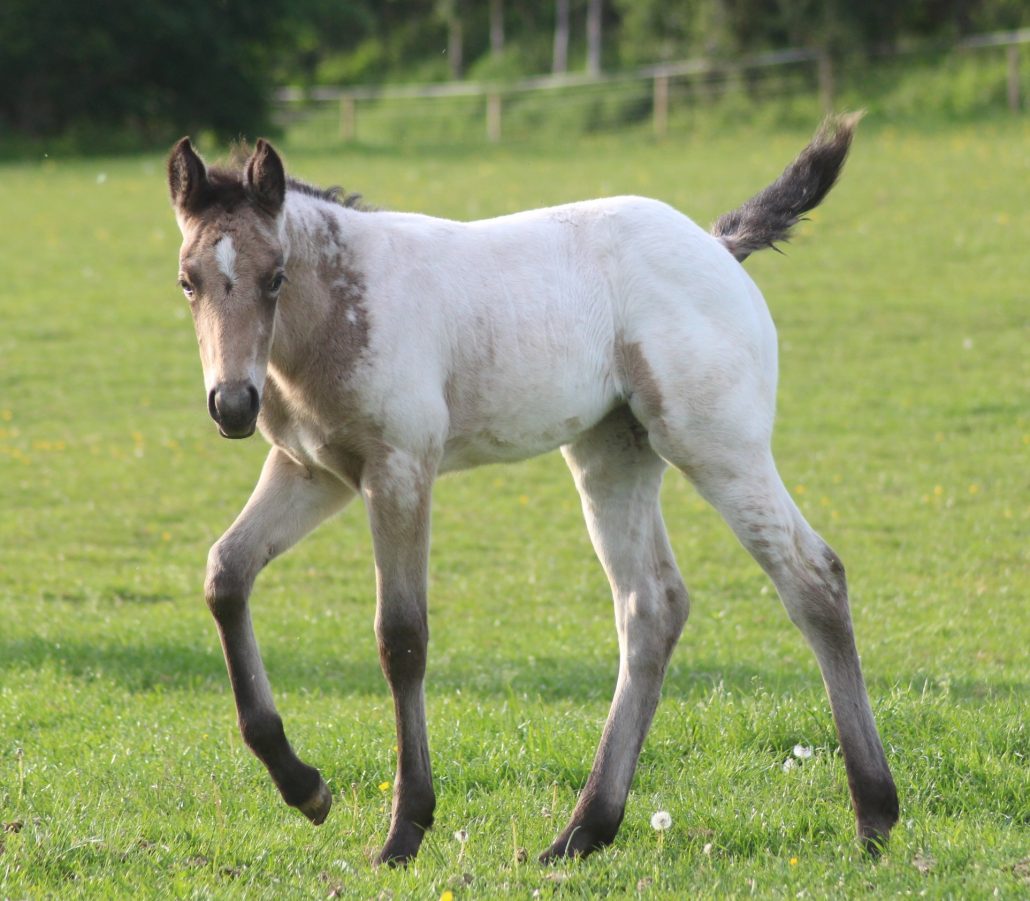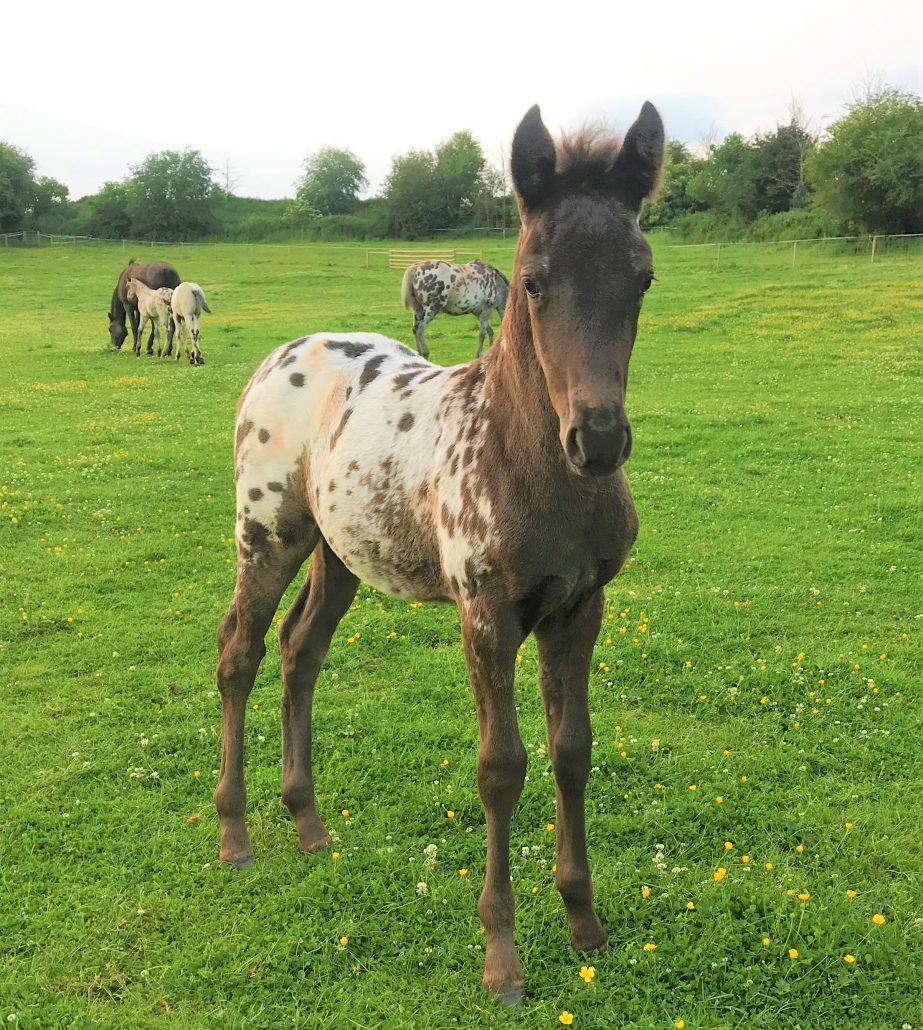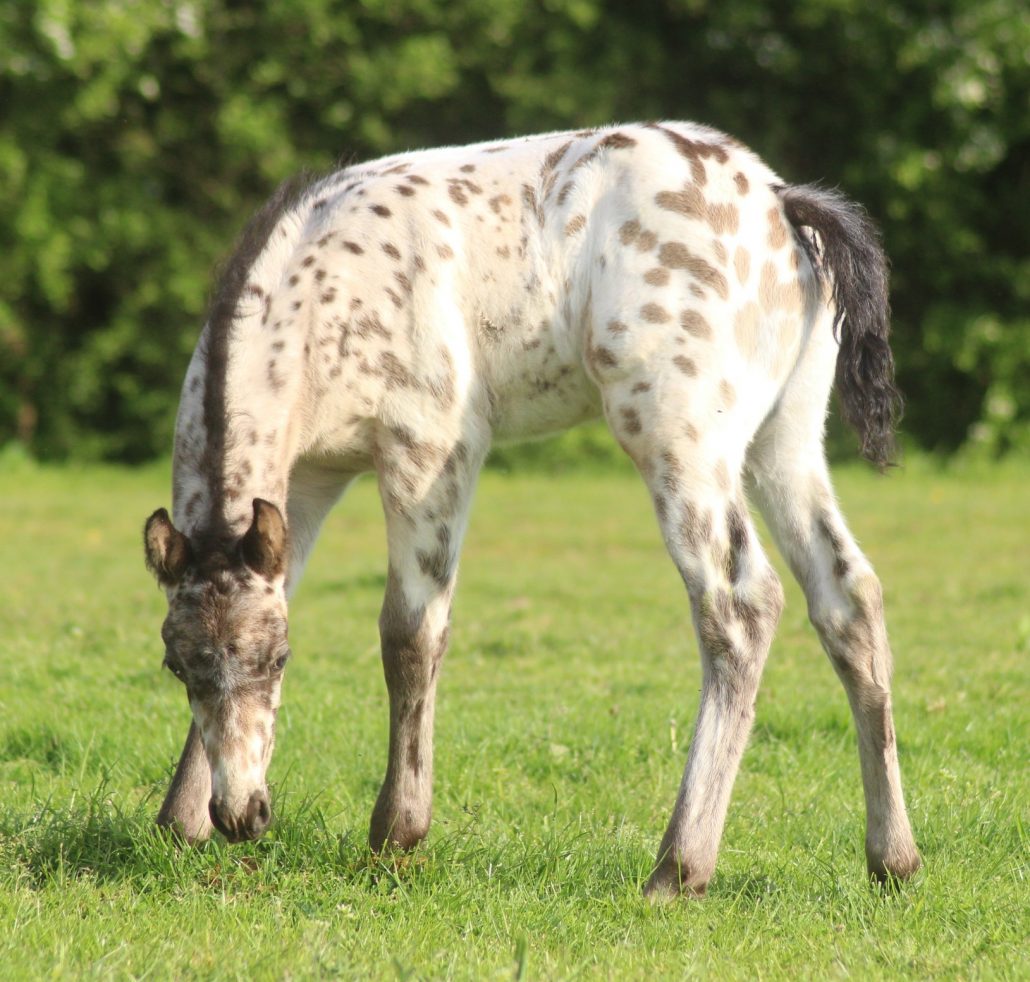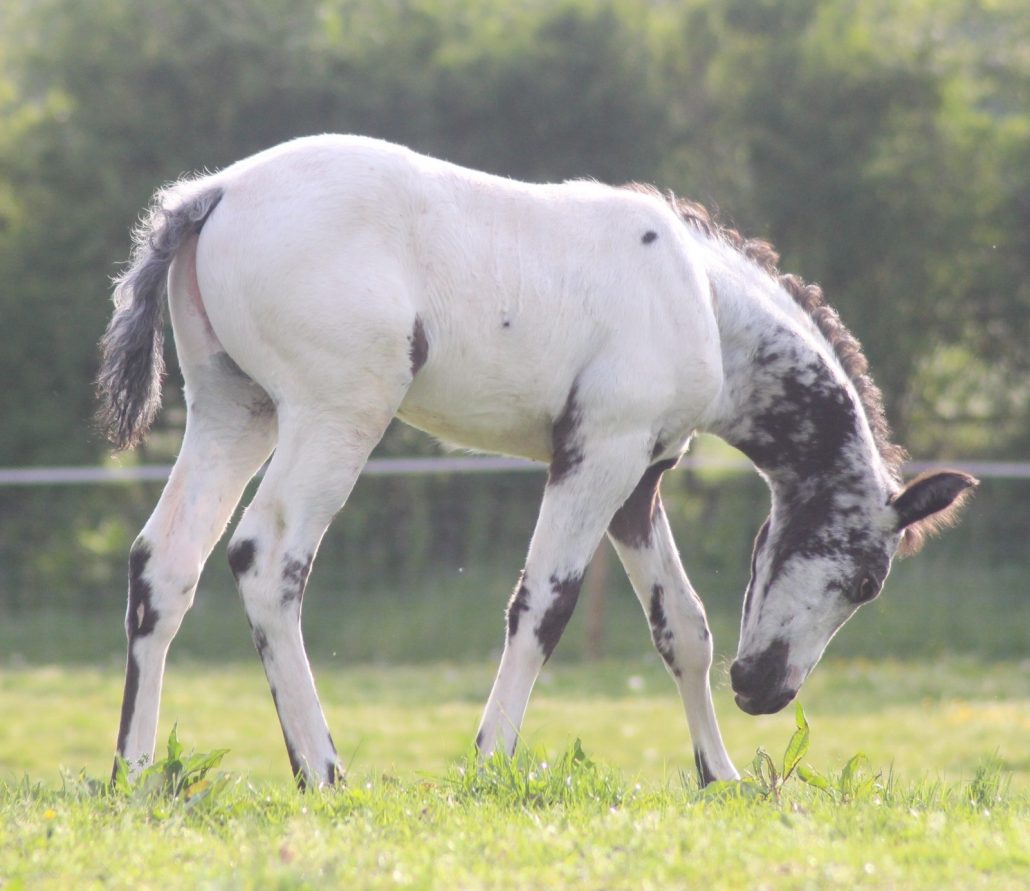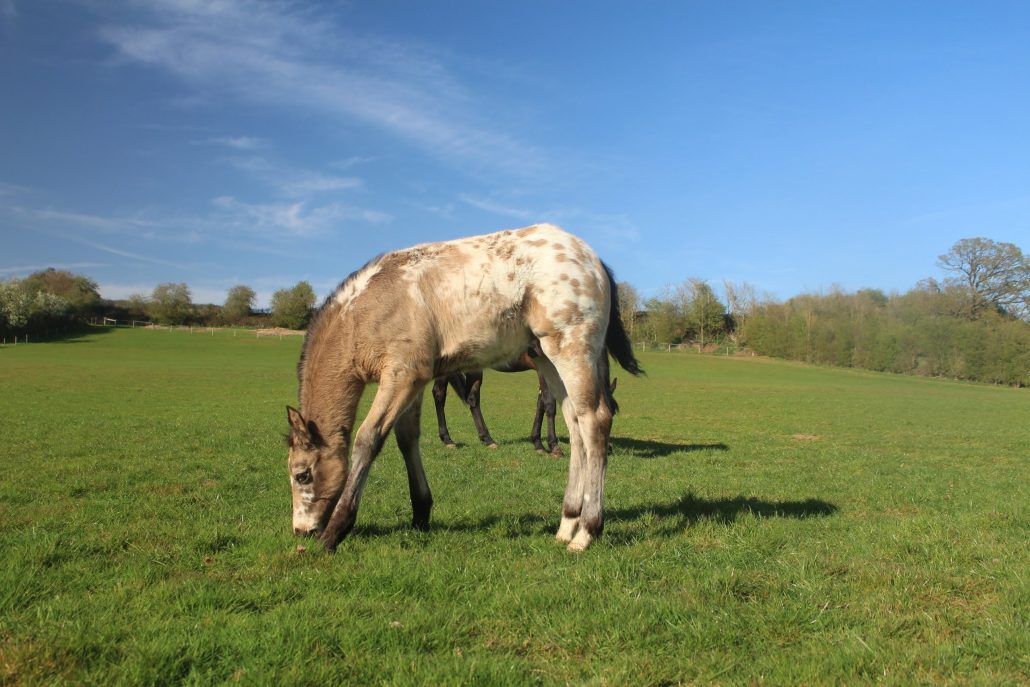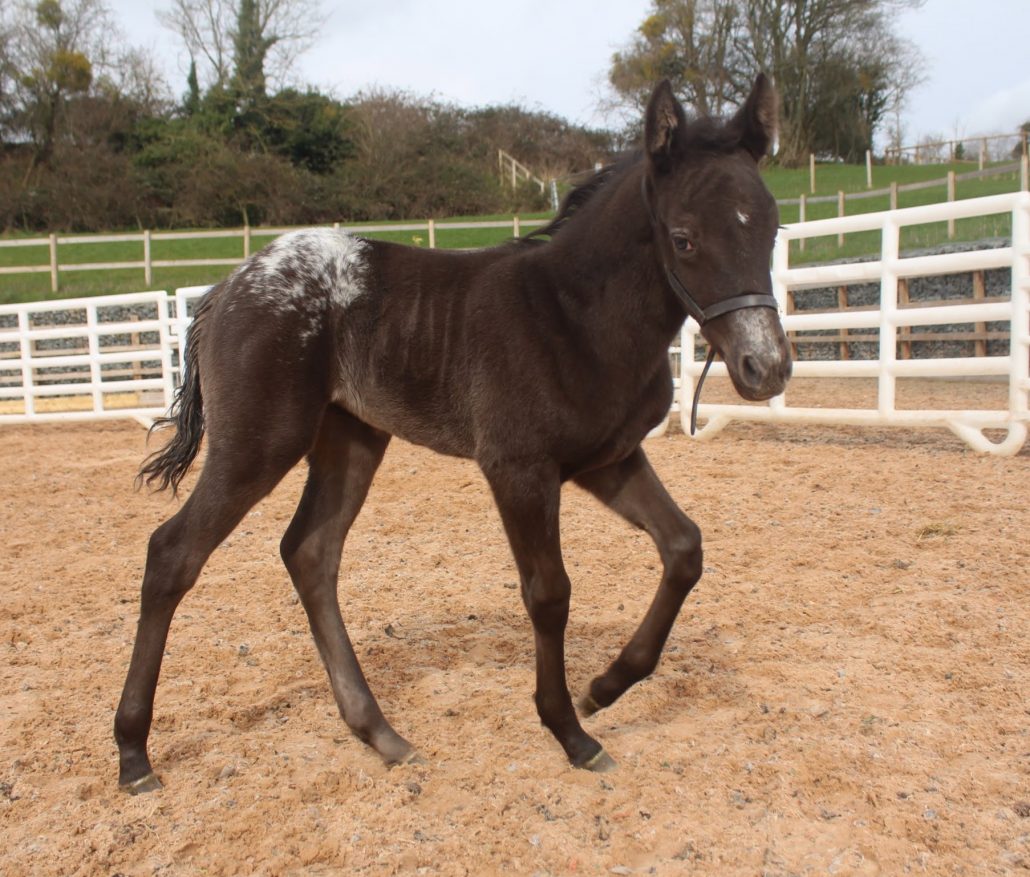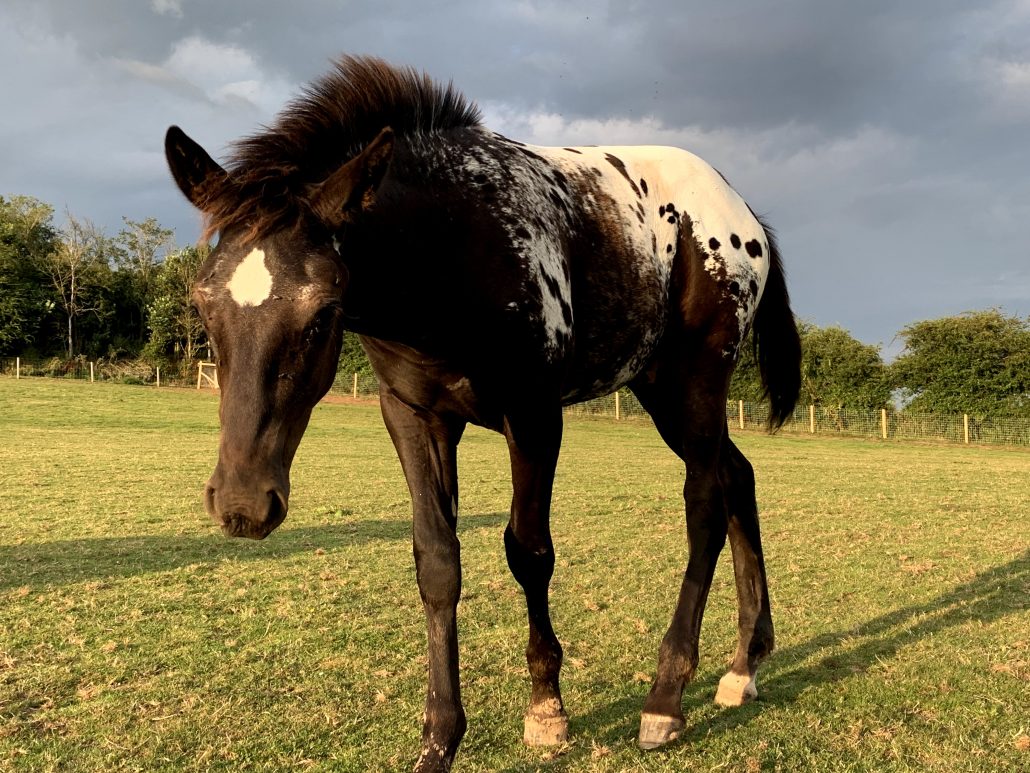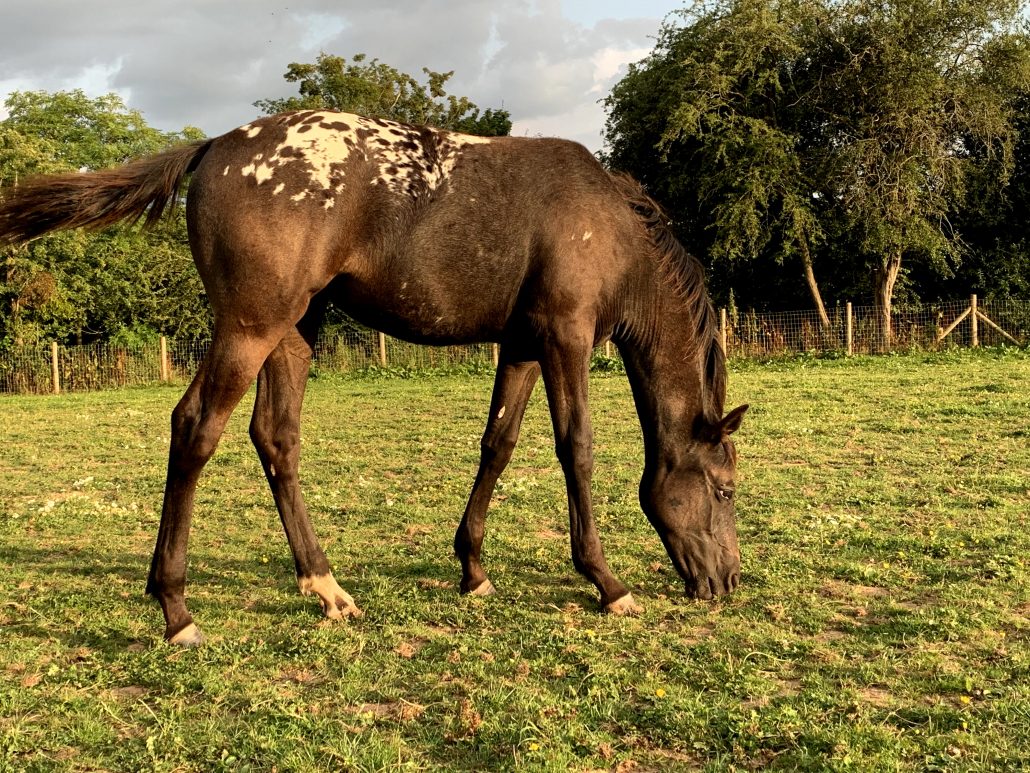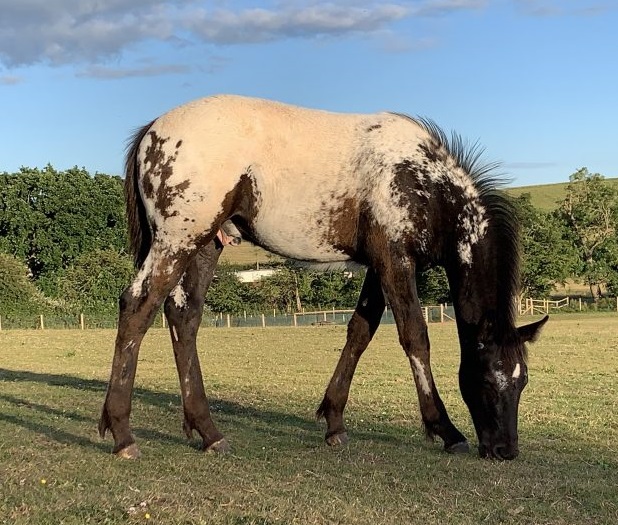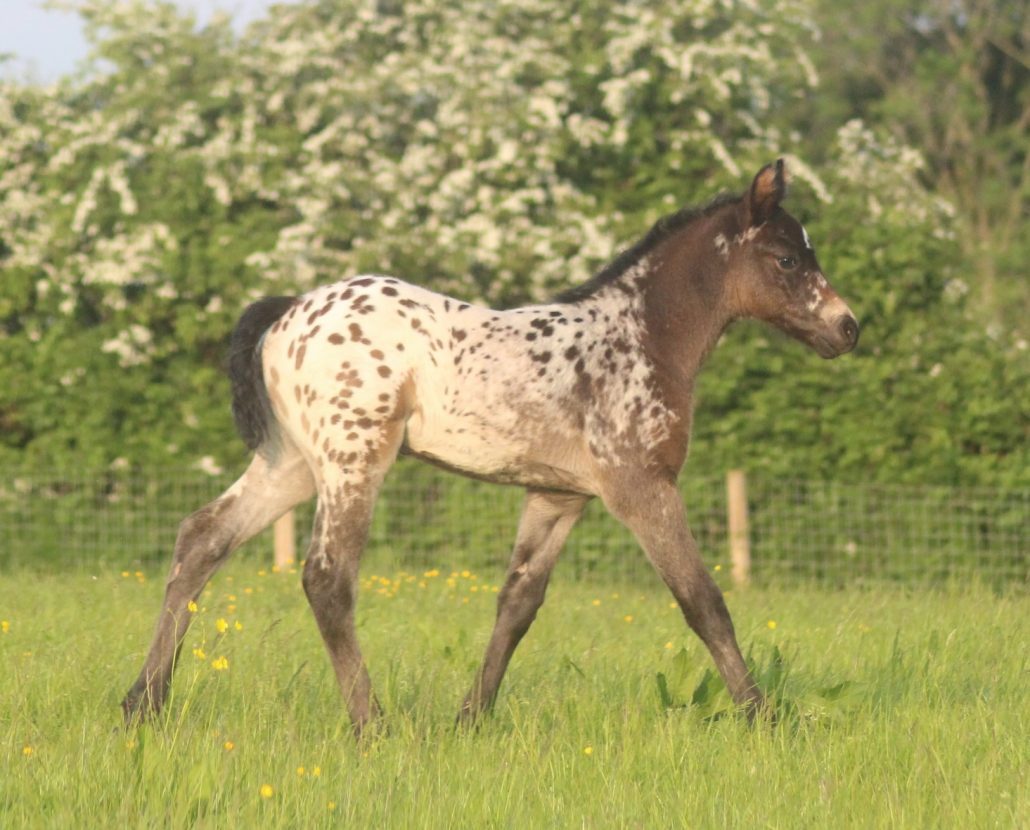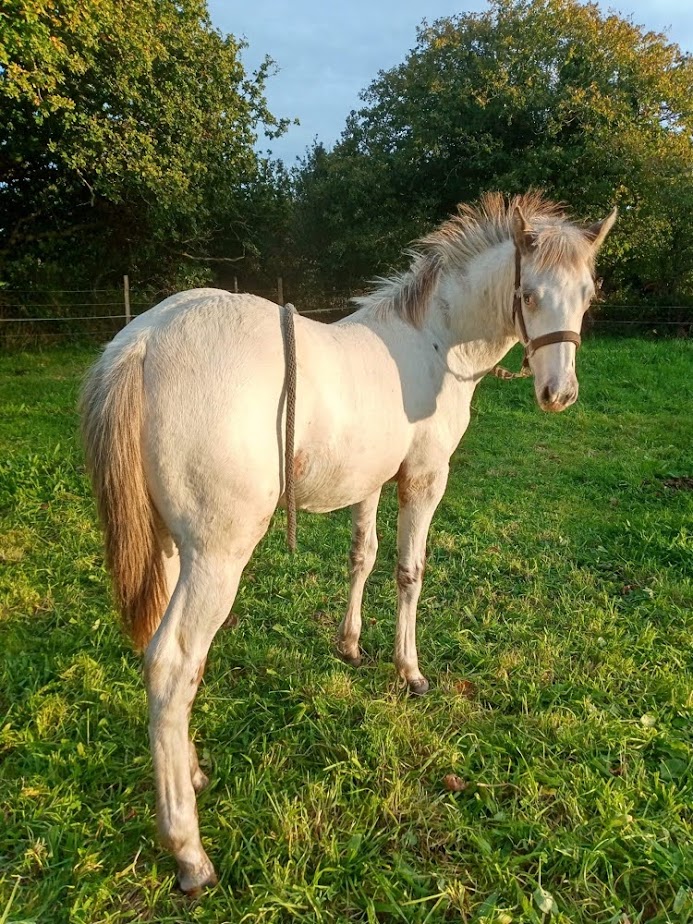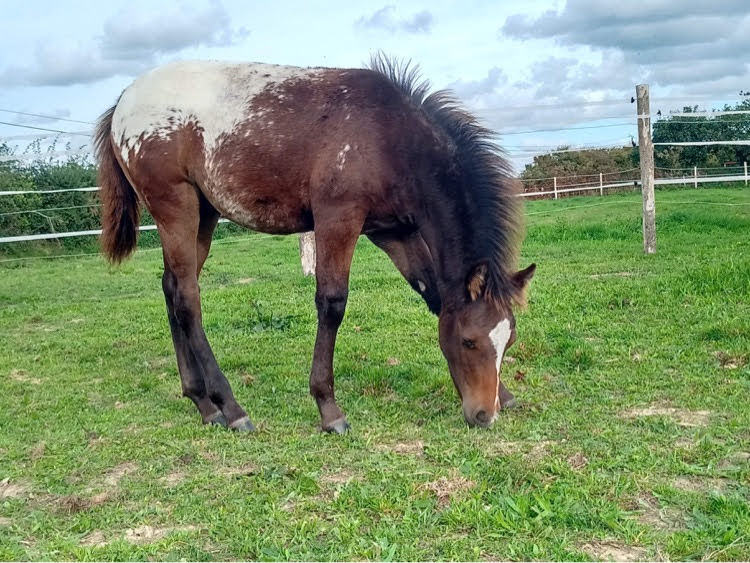
2025 Chestnut Varnish Roans – ee Aa LPlp NO PATN1 gene!
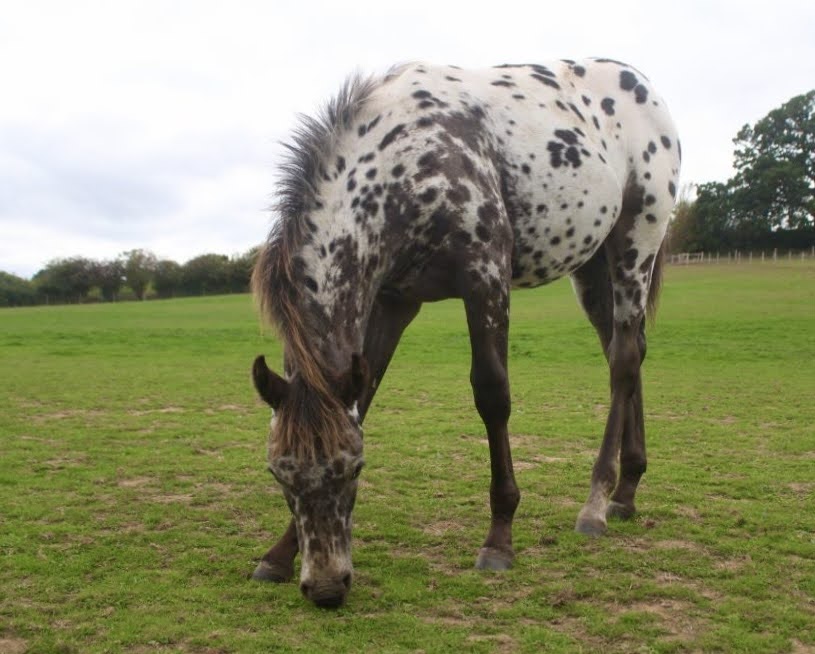
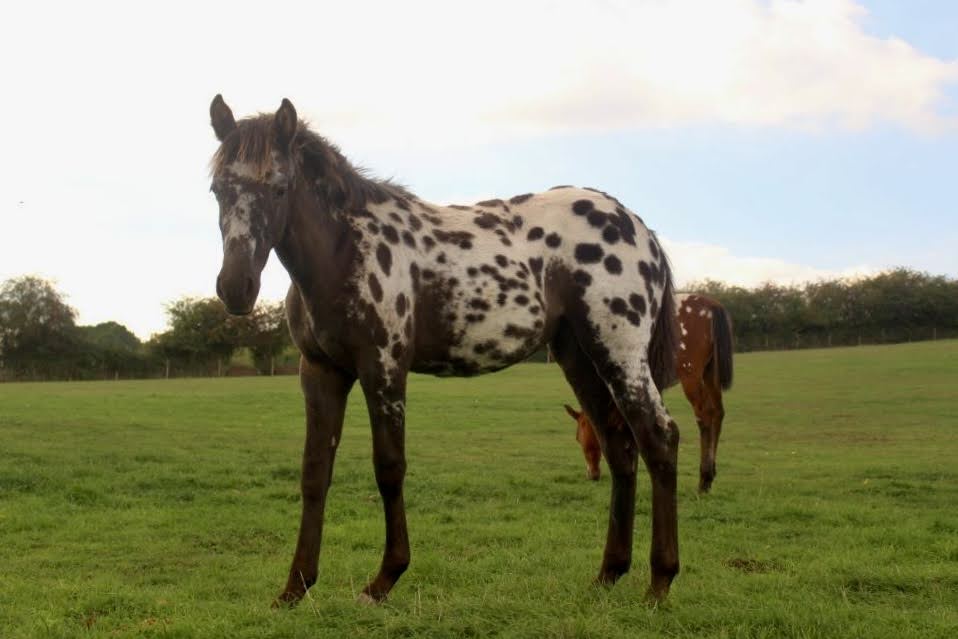
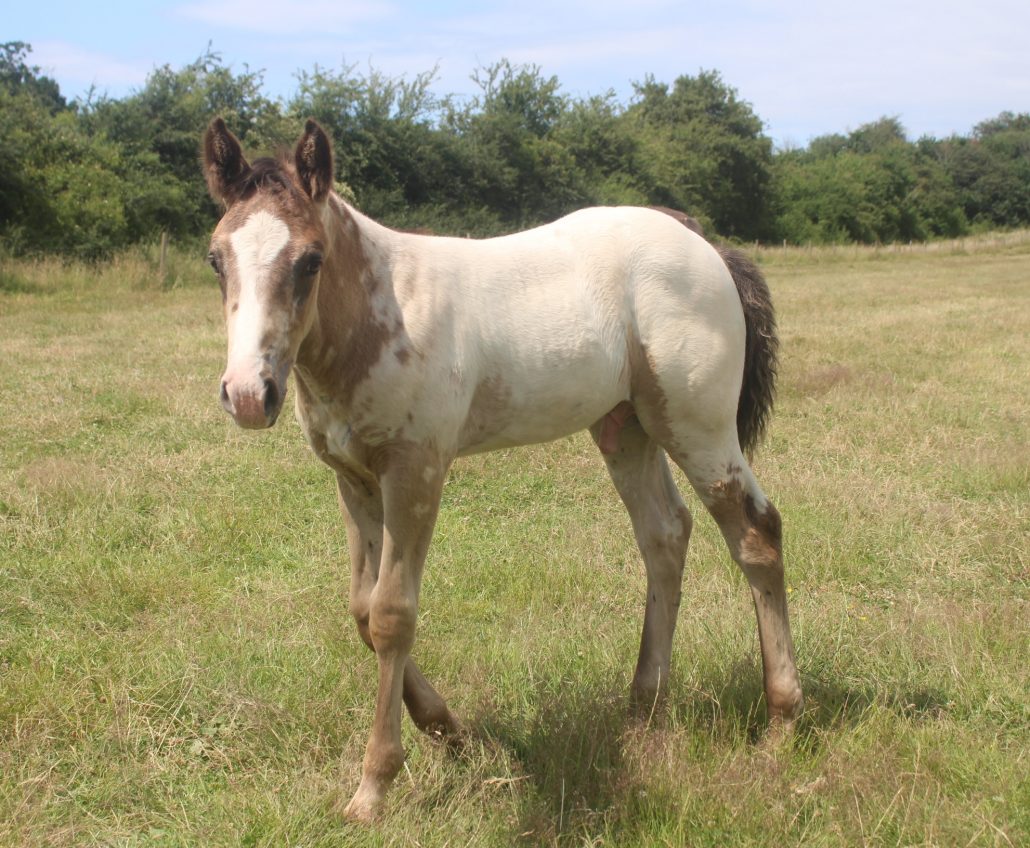
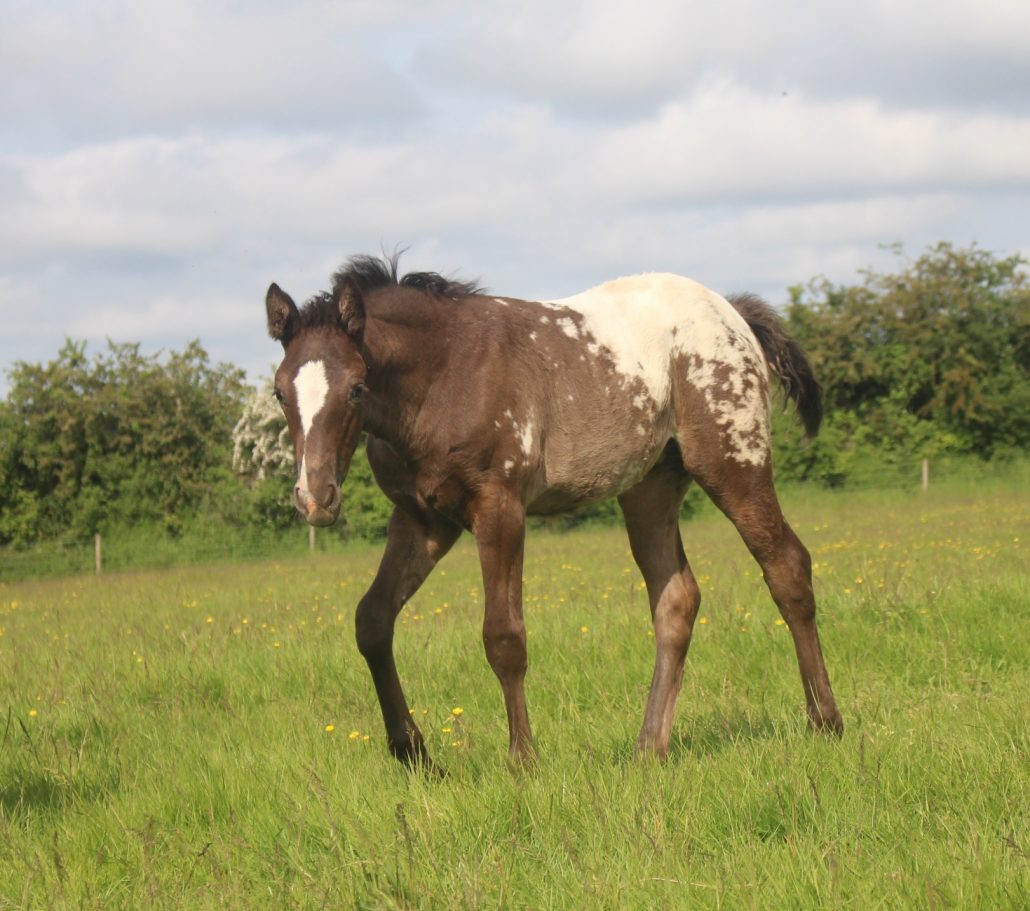
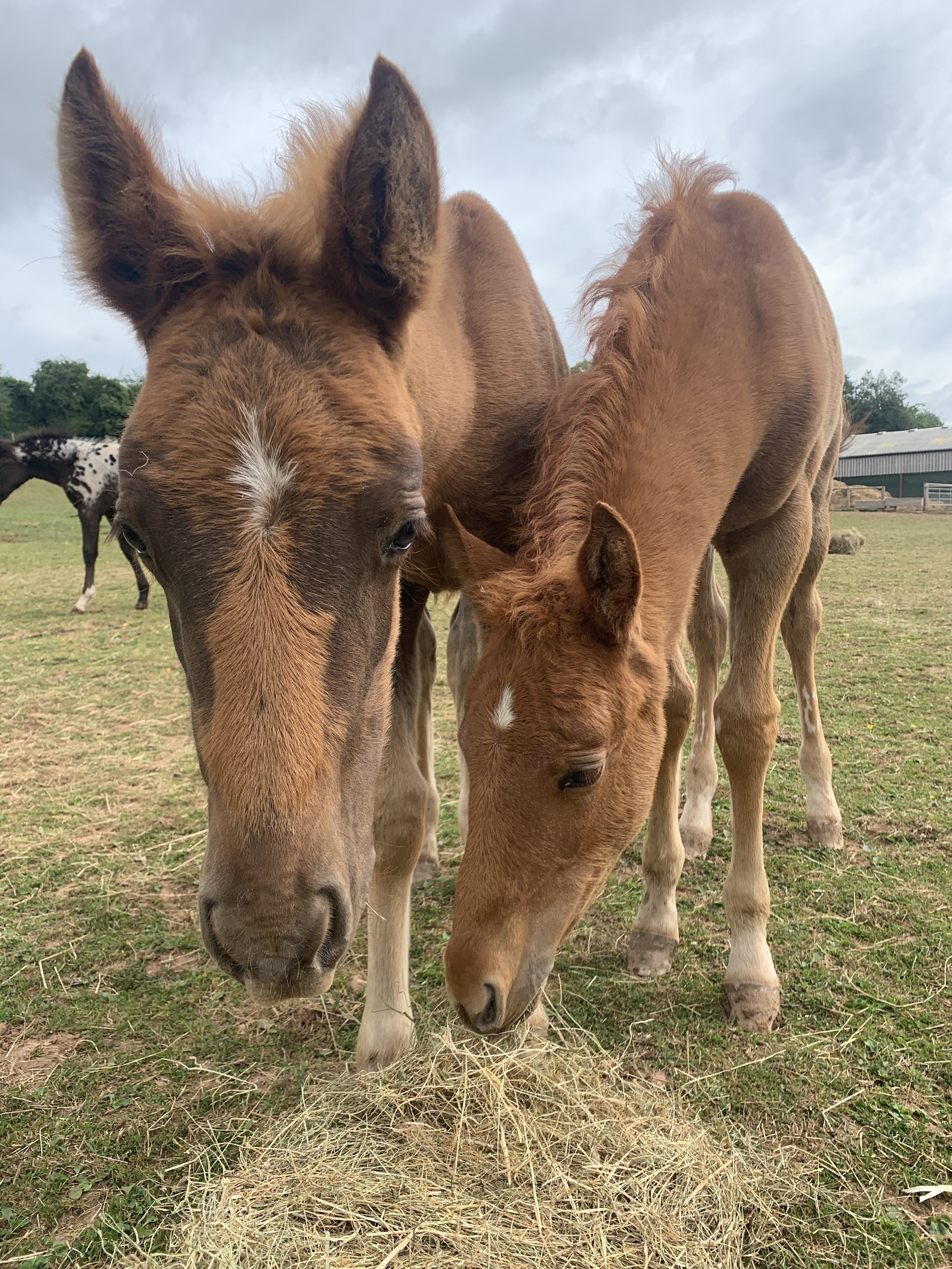
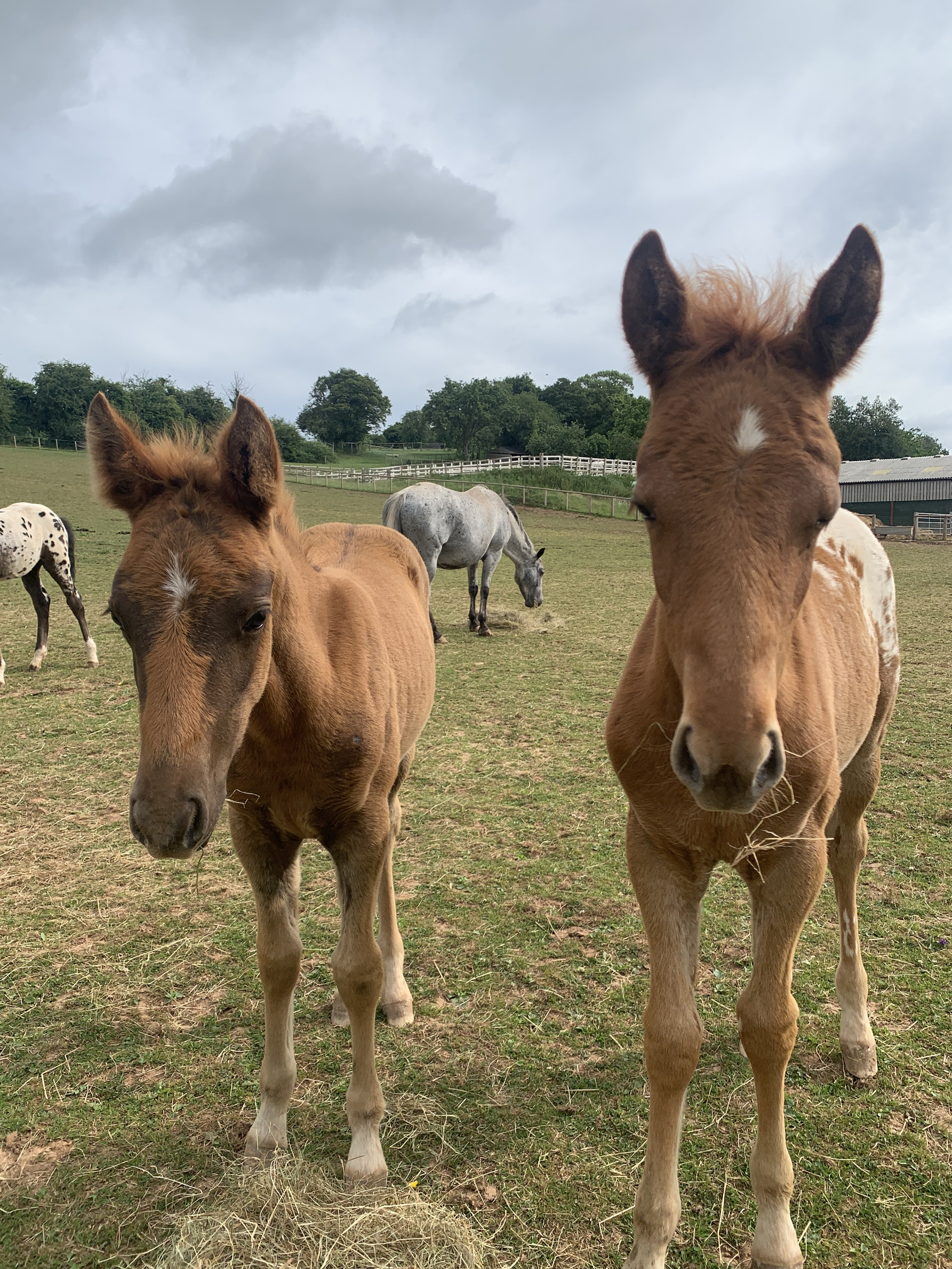
Riley and Ruby really are a pair to get excited about. Chestnut varnish roan is already a striking starting point, but when you combine that with e/e A/a, LP/lp, and patn1/patn1, you’ve essentially set the stage for two coats that will evolve in a way only true LP horses can.
Here’s what makes their genetics so compelling:
What Their Genotype Tells Us
Base Colour
- e/e → guarantees chestnut-based coats.
- A/a → allows for the possibility of bay-based expression if black pigment were present, but since they’re e/e, they’ll remain chestnut-based.
Appaloosa Complex
- LP/lp → heterozygous for Leopard Complex, so they will:
- Varnish as they age
- Show mottling, sclera, and striped hooves
- Have progressive roaning that intensifies over time
- patn1/patn1 → no inherited pattern modifier, so they won’t express a large white Appaloosa pattern at birth.
- But LP alone still drives varnish roan progression, and some horses with this combination develop surprisingly dramatic varnish patterns as they mature.
What You Can Expect to See Over Time
Riley and Ruby should gradually:
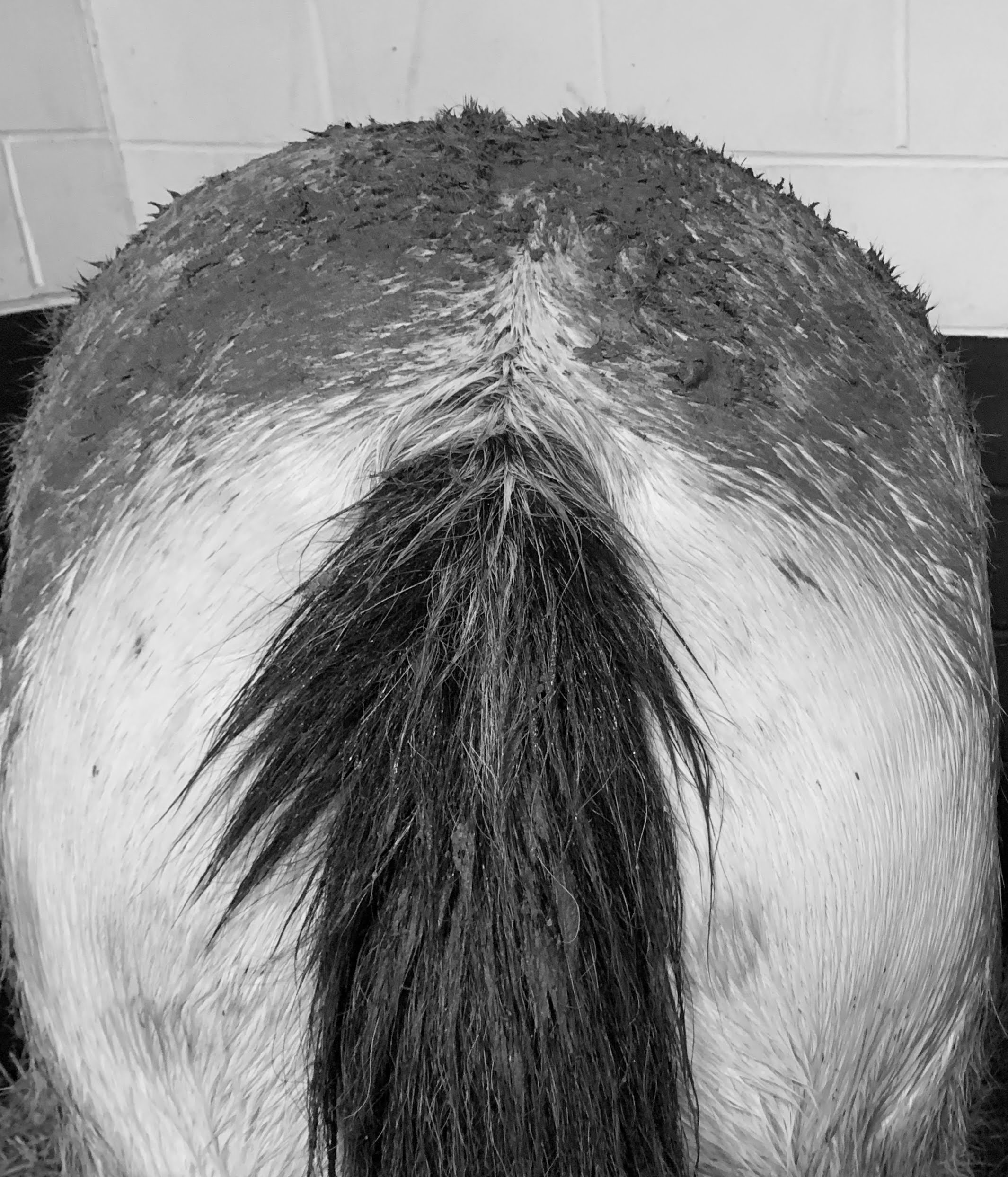
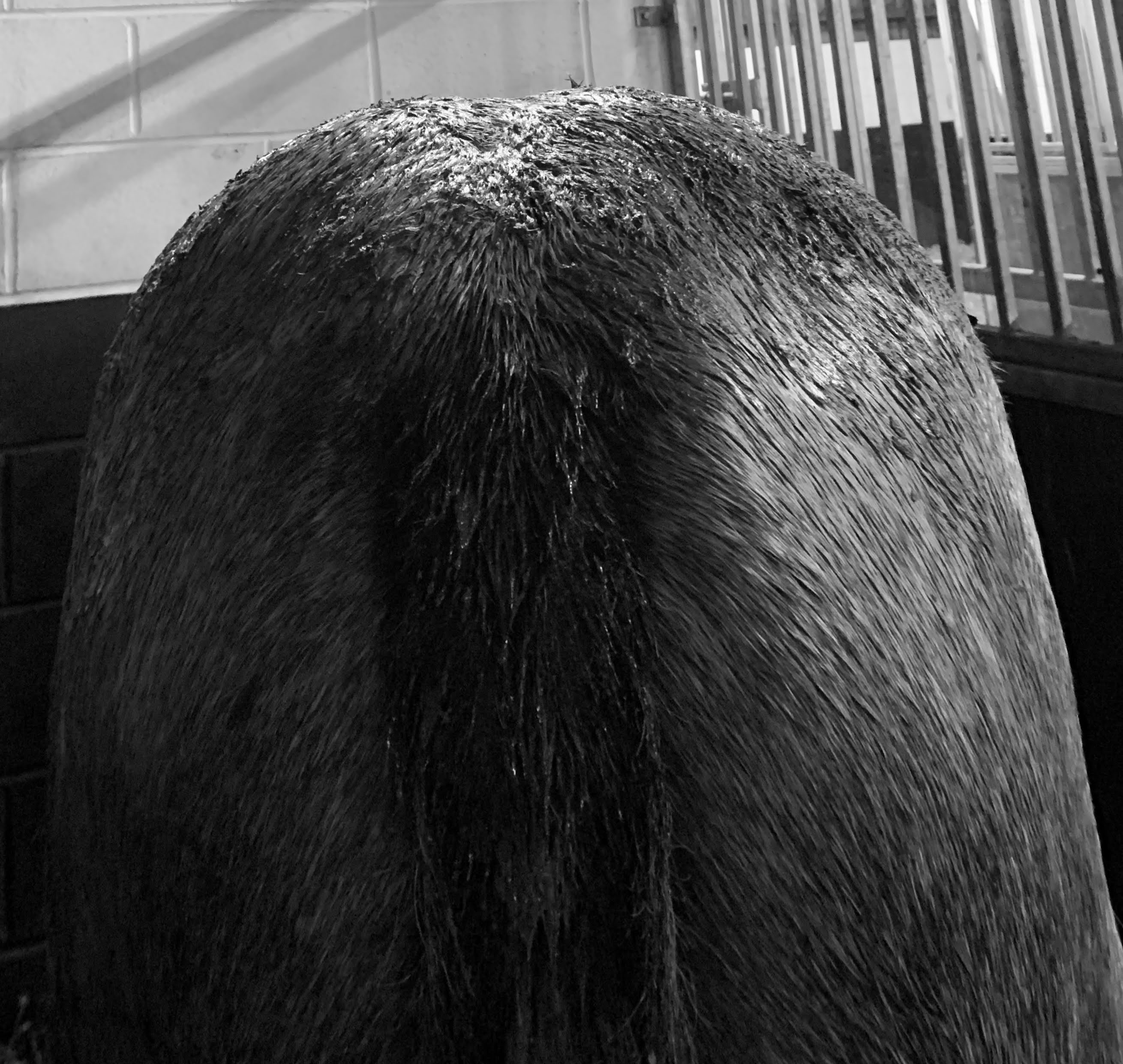
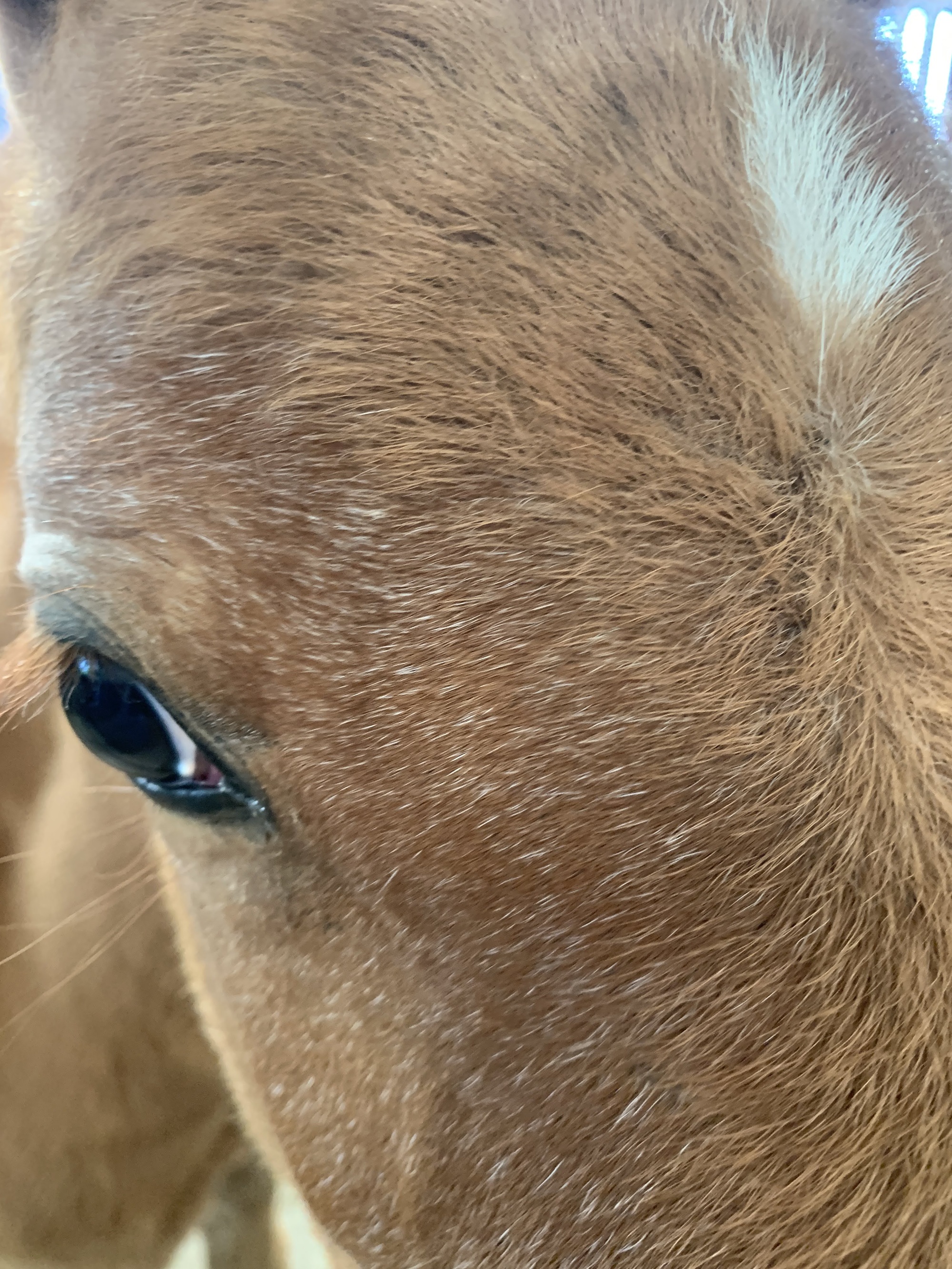
- Lighten over the hips, flanks, and face
- Develop more contrast around bony areas
- Show “varnish marks” that stay darker
- Gain more mottling as they age
- Potentially reveal subtle patterning that wasn’t obvious at birth
LP is famously unpredictable, and that’s half the fun. Two full siblings with identical genotypes can still diverge visually as they mature, so watching them develop will be fascinating.
A Lovely Milestone for Redheart
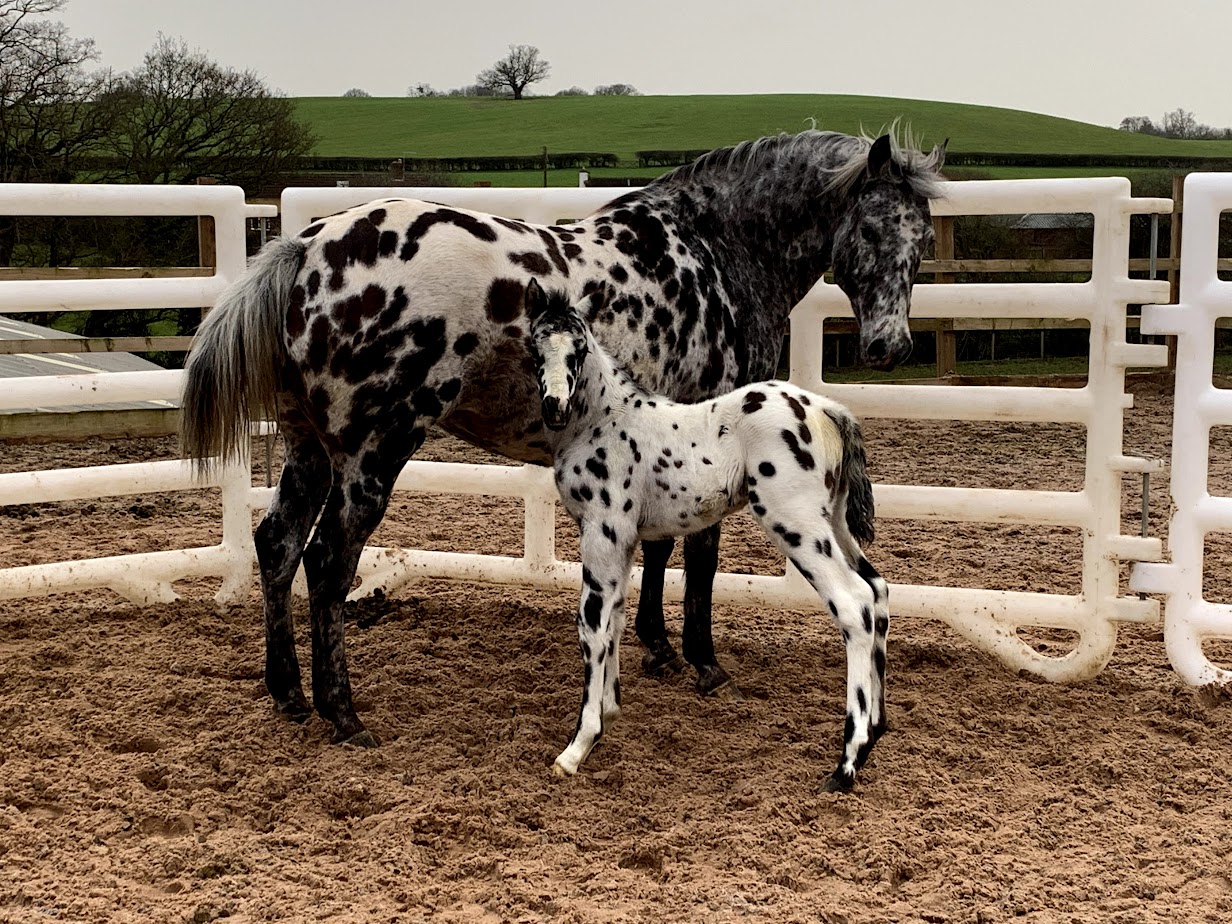
Having your first-born confirmed chestnut varnish roans—and full siblings at that—is a special moment for any breeder, but especially for a Foundation Appaloosa stud. They’re a perfect showcase of the subtlety and depth of LP genetics.
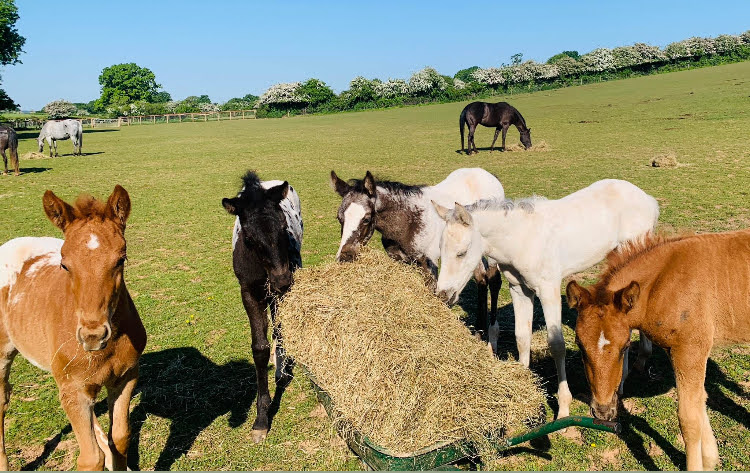
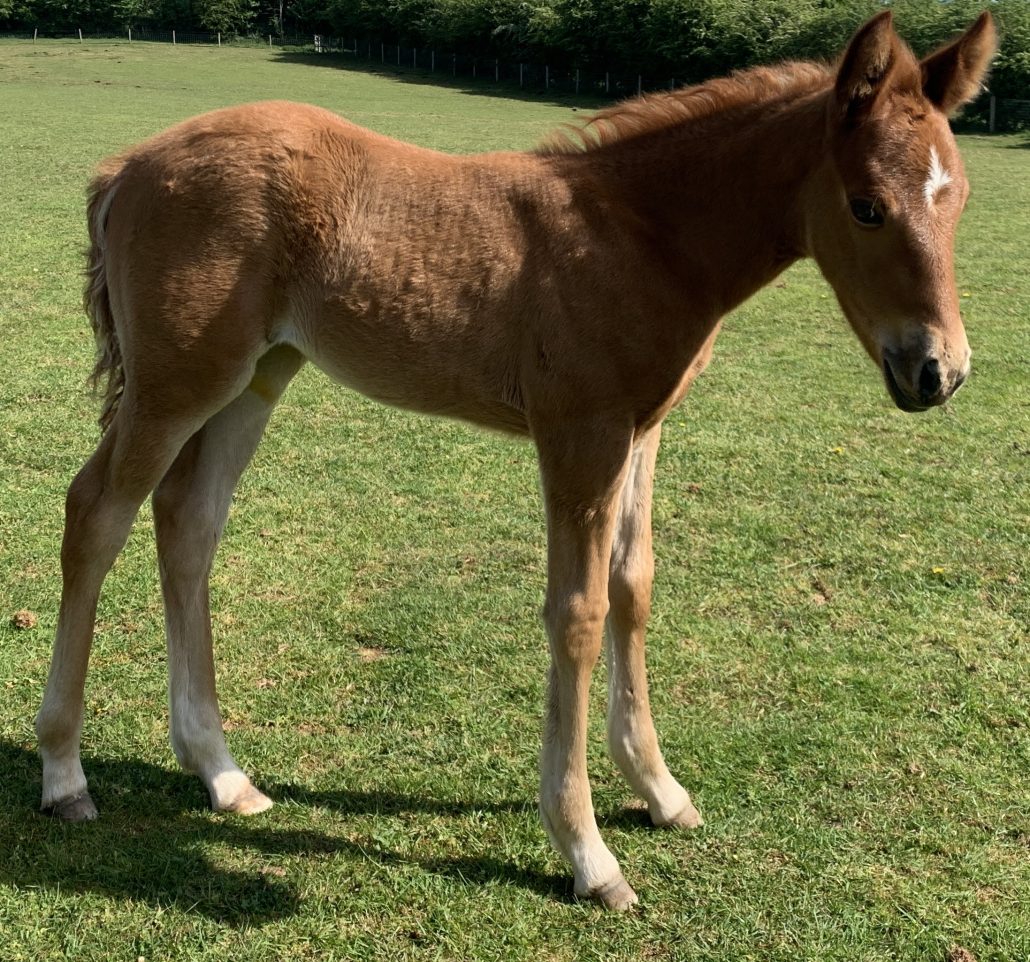
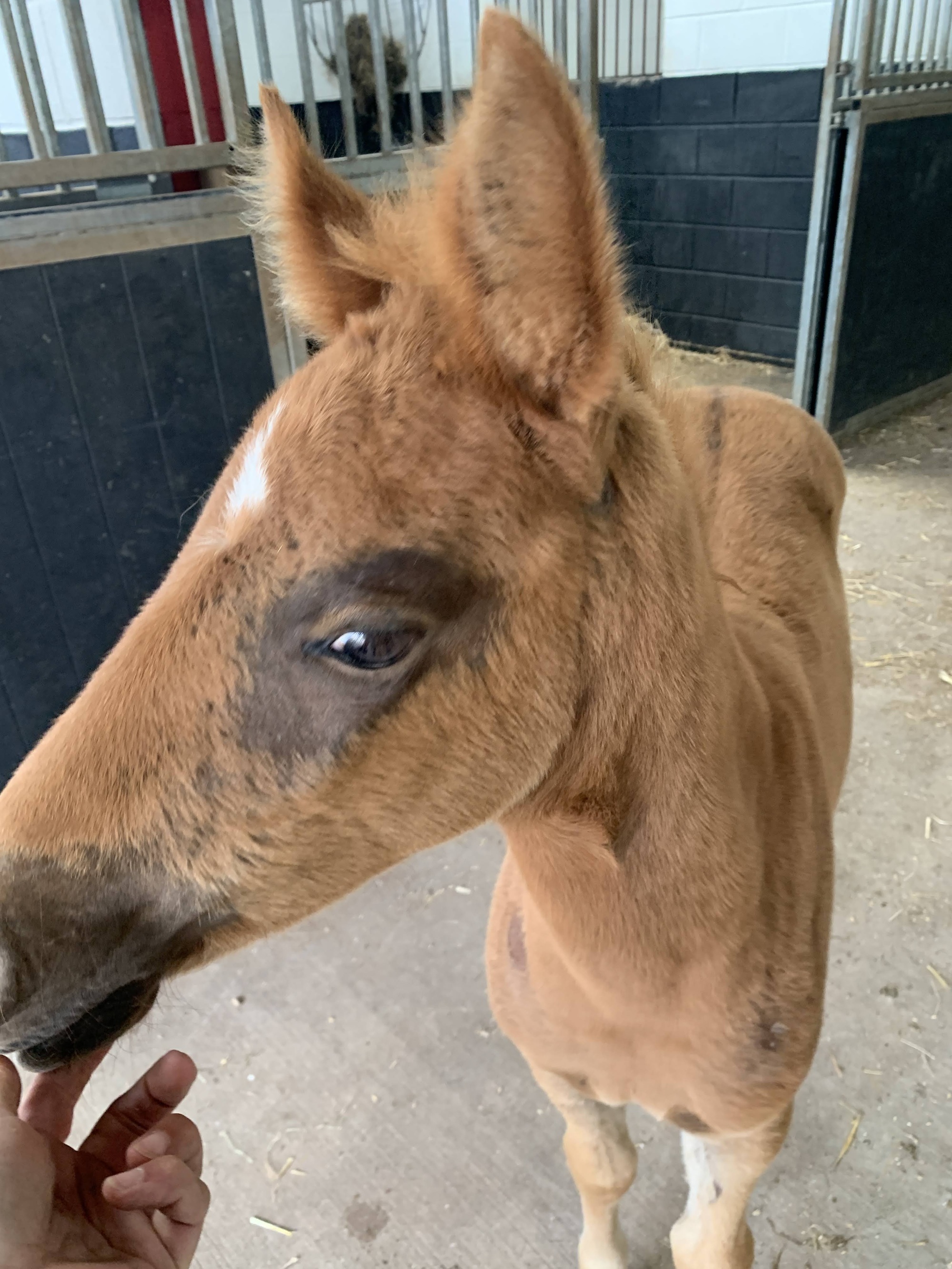
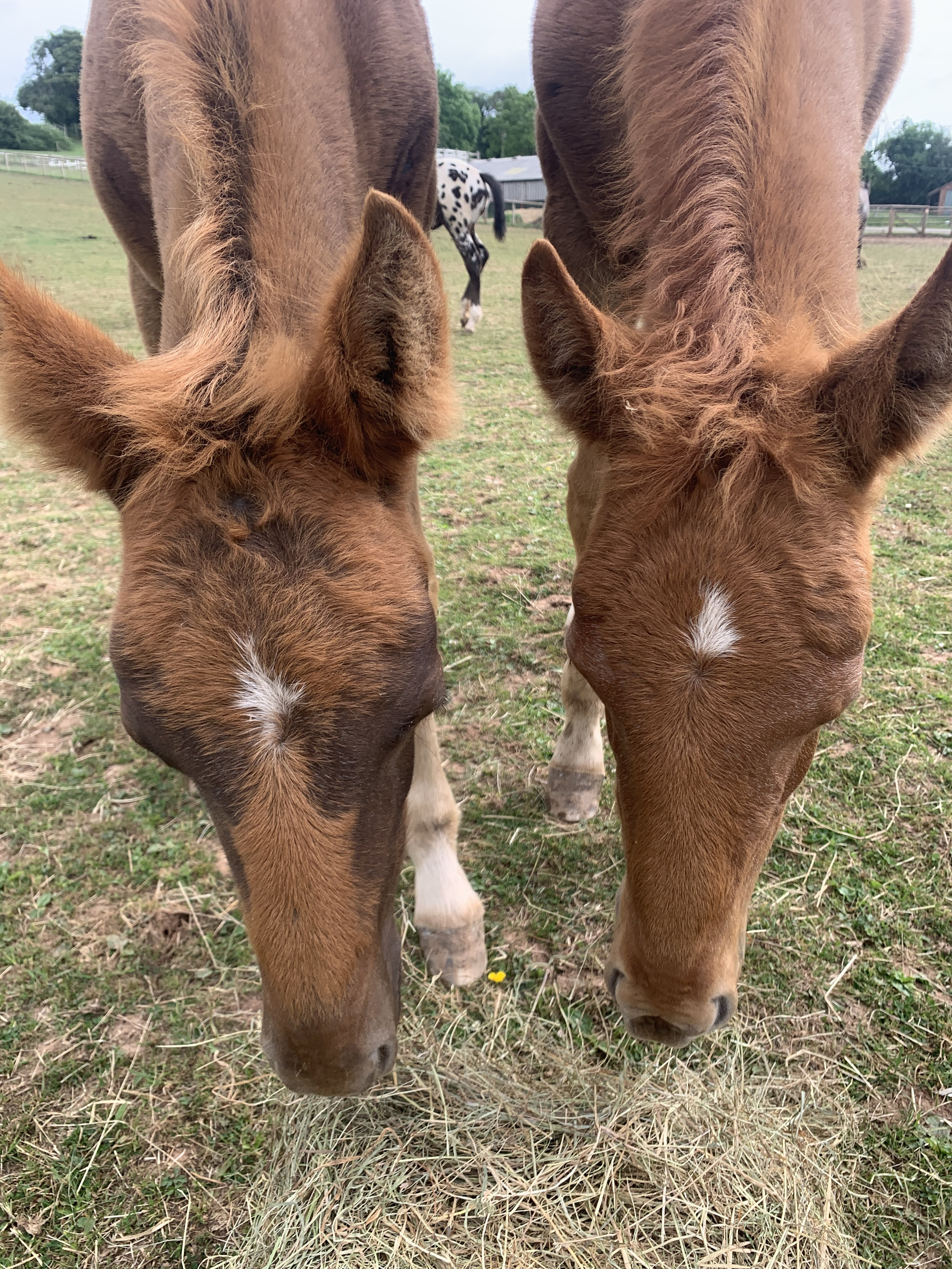
Riley and Ruby
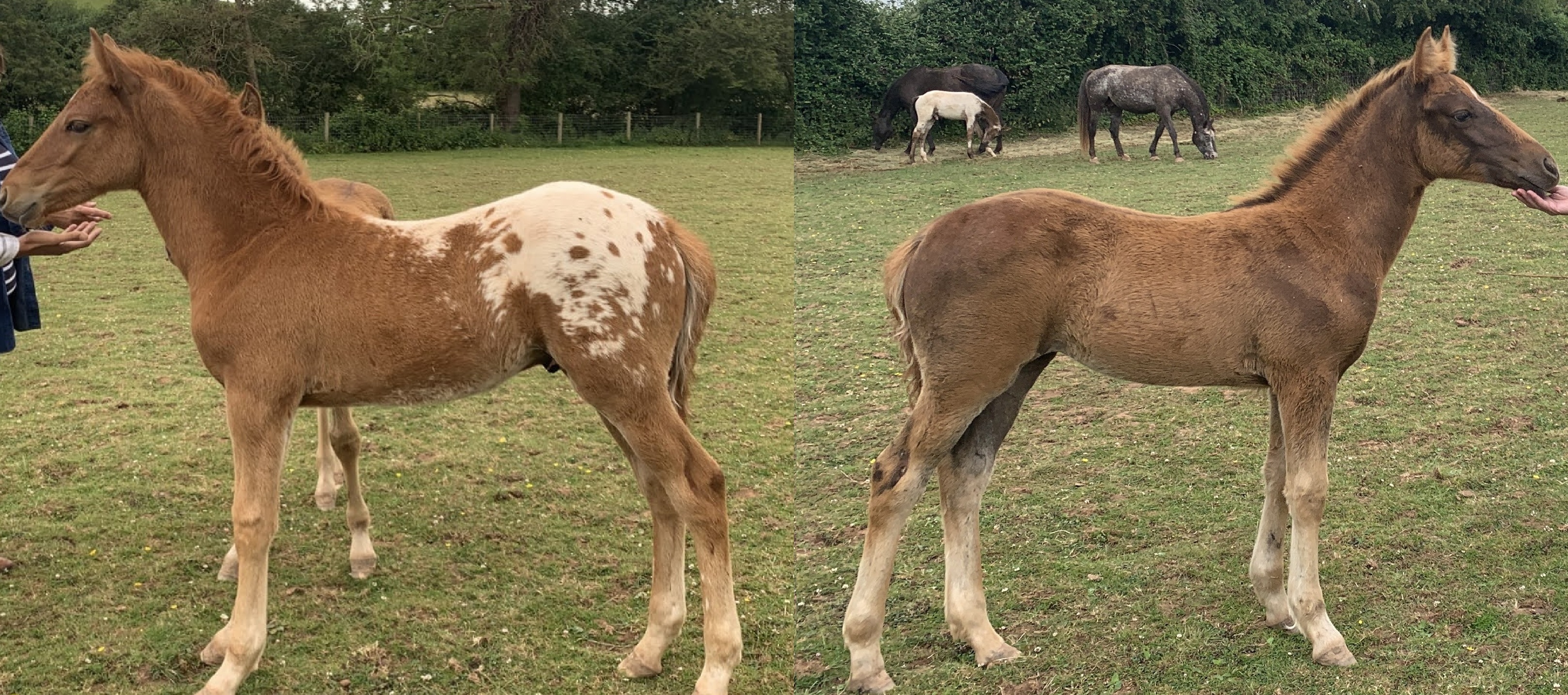
Riley

Ruby
Don’t get caught out without genetic testing first!